
The Health-First Mentality
A fundamental driver of this trend is a significant shift in health consciousness among Indian consumers. The once-niche concern for wellness has gone mainstream, particularly in urban areas. Consumers are no longer just seeking taste; they are actively
reading labels and looking for functional benefits. A 2026 report found that a majority of people now seek benefits like energy and protein from their snacks. This awareness, amplified by concerns over lifestyle diseases, has led shoppers to favour options that are baked, low-calorie, high in protein, and made with natural ingredients. The demand for snacks that are gluten-free, vegan, or made from traditional grains like millets is also on the rise, pushing brands to innovate beyond traditional fried fare.
Convenience for a Fast-Paced Life
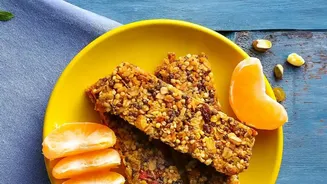
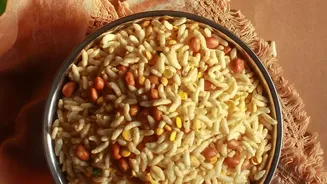
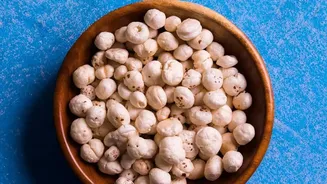
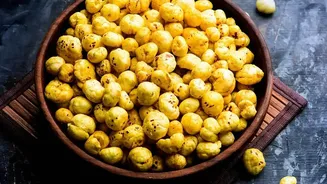
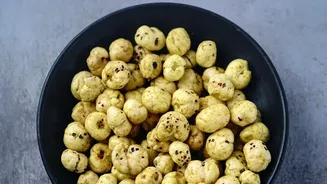
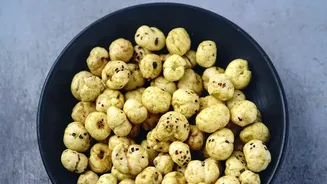
Rapid urbanization and increasingly busy lifestyles have made convenience a top priority. For many millennials and Gen Z professionals, the traditional three-meal-a-day structure is giving way to more frequent, smaller meals, a phenomenon known as 'snackification'. This creates a strong demand for on-the-go products that are both handy and healthy. Ready-to-eat formats like protein bars, nut and seed mixes, and roasted makhana are replacing snacks that require preparation. These new-age options fit seamlessly into hectic work schedules and commutes, offering a quick and guilt-free way to refuel during a busy day.
Willing to Pay for Wellness
Growing disposable incomes have empowered a large segment of the Indian population to spend more on premium and specialized products. Consumers, particularly younger ones, are increasingly willing to pay a premium for snacks they perceive as healthier or made with higher-quality ingredients. Market reports indicate that the healthy snacks market in India was valued at over USD 3 billion in 2025 and is projected to grow significantly. This willingness to spend is not just about buying expensive products but about investing in long-term health, a trend that allows new-age brands to thrive even with higher price points compared to mass-market snacks.
Discovered Online, Delivered Instantly
The rise of e-commerce and, more recently, quick-commerce platforms has been a game-changer for the snack industry. Digital channels have democratized market access, allowing smaller, innovative D2C (direct-to-consumer) brands to reach a nationwide audience without massive distribution networks. Social media influencers and targeted digital marketing campaigns play a huge role in product discovery and creating desire. Furthermore, the promise of 10-to-30-minute deliveries from platforms like Blinkit and Zepto has transformed impulse buying, making it just as easy to get a pack of quinoa puffs as a bag of potato chips. This digital ecosystem is expected to account for a significant portion of all snack sales by 2030, further fuelling the growth of new-age brands.
Innovation from Startups and Legacy Brands
The new-age snacking boom is being propelled by a wave of product innovation. A host of agile startups are identifying and catering to specific dietary needs, from keto-friendly options to plant-based protein snacks. They are also reviving traditional Indian ingredients like millets and makhana, repackaging them for the modern consumer. This has not gone unnoticed by legacy players. Large FMCG companies are now actively expanding their portfolios to include healthier lines, acquiring successful startups, and launching their own new-age snack brands to compete, creating a dynamic and competitive market that ultimately benefits the consumer with more choices.