




Truly Fermented vs. Just Pickled
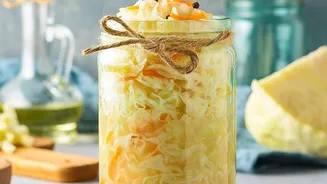
The most crucial distinction to make is whether a product is genuinely fermented or simply preserved in vinegar. True fermentation uses microorganisms (good bacteria) to preserve food, creating probiotics in the process. These are often called lacto-fermented.
On the other hand, many commercially available pickles are just cucumbers soaked in a vinegar brine, a process called acidification. While tasty, these products do not offer the same probiotic benefits. The easiest way to tell the difference is to check the ingredient list. If vinegar is a primary ingredient, the product is likely not fermented and will not contain live cultures. Truly fermented products typically rely only on salt, water, and spices.
Look for 'Live and Active Cultures'
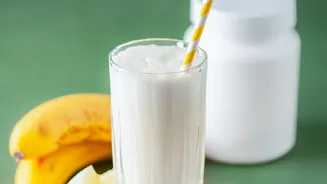
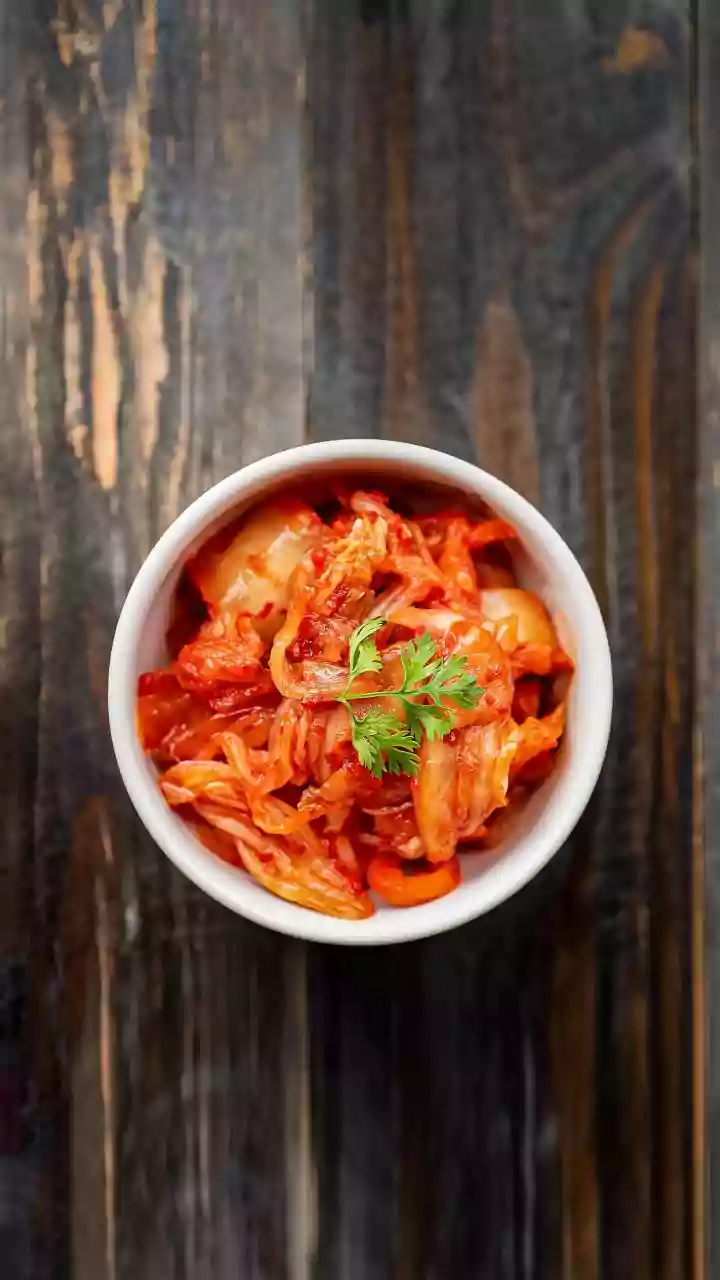
For foods like yogurt, kefir, kimchi, and sauerkraut, the label is your best guide. Look for phrases like 'live and active cultures', 'live cultures', or 'unpasteurized'. These terms indicate that the beneficial bacteria used in the fermentation process are still alive in the final product. Some brands may even list the specific strains of bacteria used, which is a good sign of a quality product. Be wary of the phrase 'made with live cultures', as this can sometimes mean the cultures were used during production but killed off later during heat treatment. The word 'contains' is a stronger indicator that the microbes are still viable.
Check the Refrigeration Section First
Genuinely fermented foods that are rich in live probiotics are perishable and need to be kept cold to preserve the living organisms. When shopping, make it a habit to check the refrigerated section of the grocery store first. Products like kimchi, sauerkraut, or real pickles sitting on a room-temperature shelf have likely been pasteurized (heat-treated) to make them shelf-stable. Pasteurization extends shelf life but unfortunately kills off the delicate, beneficial bacteria you're looking for.
Scan for Preservatives and Additives
A high-quality fermented product should have a very short and clean ingredient list. Ideally, it should contain the vegetable or main ingredient, salt, water, and natural spices. Be cautious of products with long lists of chemical-sounding additives. Preservatives like sodium benzoate or potassium sorbate are red flags, as their purpose is to kill microbes, which defeats the point of a probiotic food. Similarly, avoid products with artificial colours like Yellow #5 or firming agents like calcium chloride, which are often used to make up for lower-quality ingredients or harsh processing. 'Natural flavours' can also be a way to hide the fact that real herbs and spices were not used.
Be Mindful of Sodium Content
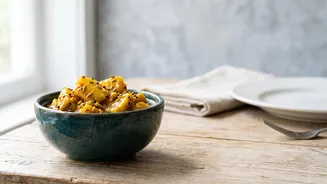
Pickles and many fermented foods, especially those popular in India like 'achar', rely on salt for preservation. However, the sodium content can be extremely high. Studies show that many Indian packaged foods contain excessive salt, well over recommended daily limits. A single serving of some pickles can contain a significant portion of your daily sodium allowance. While FSSAI regulations on nutrition labelling are improving, not all products clearly list sodium content. When you can, check the nutrition information panel and compare brands. Opt for those with lower sodium values to enjoy the flavour and benefits without negatively impacting your blood pressure and heart health.
Don't Be Fooled by 'Probiotic' Claims
The term 'probiotic' has a specific scientific definition: live microorganisms that, when consumed in adequate amounts, provide a health benefit. While many fermented foods contain live cultures, not all have been studied enough to be officially classified as probiotics. The term 'live cultures' is a more general description. A product claiming to be 'probiotic' should ideally specify the bacterial strain and the Colony Forming Units (CFUs), which indicate the number of live microbes per serving. However, many simply use the term for marketing. Rely on the other clues—refrigeration, no vinegar, and a clean ingredient list—rather than just the 'probiotic' buzzword.