




Beyond the Mystery Meal
An organized freezer is more than just a tidy space; it's a strategic tool for saving time, money, and stress. The foundation of this system is a clear and informative label. Without it, your freezer quickly becomes a graveyard for unidentified frozen
objects, leading to perfectly good food being thrown away simply because you can't remember what it is or how long it's been in there. Proper labeling transforms your freezer from a source of frustration into a reliable library of future meals, making weeknight dinners and meal planning significantly easier. It’s the first and most important step in reducing food waste and making your kitchen work for you, not against you. By taking a few extra seconds to label correctly, you are setting your future self up for success.
The Anatomy of a Perfect Freezer Label
A truly effective freezer label contains three core pieces of information: the name of the dish, the date it was frozen, and the portion size or number of servings. Omitting any one of these can undermine your entire organization system. The name tells you what you have, the date tells you how old it is, and the portion size tells you how you can use it. Think of it as a brief, essential guide for your future self. This simple trifecta of details prevents you from defrosting a family-sized soup for a solo lunch or serving a four-month-old stew that has lost its peak flavour. Professional kitchens have used this 'first in, first out' (FIFO) logic for decades, and it's a practice that home cooks can easily adopt to ensure food quality and safety.
Get Specific with the Name
Simply writing “Soup” on a label is a recipe for disappointment. Is it a creamy tomato soup or a spicy lentil one? Specificity is crucial. A good label should read “Spicy Black Bean Soup” or “Chicken & Vegetable Broth.” This level of detail helps you grab exactly what you’re in the mood for. It’s also wise to include any key preparation notes or ingredients that might be relevant. For example, adding “Just Reheat” or “Needs Rice” can streamline the cooking process later on. Furthermore, if you or anyone in your household has allergies or dietary preferences, noting things like “Contains Nuts” or “Gluten-Free” is a critical safety measure. The more information you can concisely fit, the more useful the label becomes.
The Two-Date System for Quality Control
While the date the food was frozen is essential, you can elevate your freezer game by adding a “use by” date as well. While properly frozen food is safe indefinitely, its quality—in terms of flavour and texture—degrades over time. Different foods have different freezer lifespans; for instance, soups and stews are best within 2-3 months, while ground meat lasts for about 3-4 months. Including a use-by date provides a clear call to action, prompting you to use the item before its quality declines. This simple addition helps you prioritize what to eat next, further reducing the chance that food will be forgotten and eventually discarded due to freezer burn or loss of taste.
Portion Size: Your Future Self Will Thank You
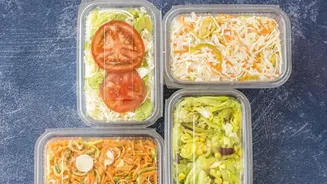
Including the portion size is arguably the most overlooked, yet most helpful, piece of information on a freezer label. Noting “Serves 2” or “4 Cups” is incredibly practical for meal planning. It prevents you from thawing a massive container of bolognese when you only need enough for one person, or vice versa. This practice not only aids in portion control for health management but also drastically cuts down on waste from defrosting more than you need. When you can see at a glance that you have single-serving containers of rice, two-serving packs of chicken, and a family-sized lasagne, you can pull exactly what your meal requires without any guesswork. It makes assembling a quick dinner as easy as browsing a personal, in-house grocery store.
The Right Tools for the Job
The perfect label is useless if it falls off or the ink smudges into an illegible mess. Extreme cold and moisture are enemies of standard labels and markers. Invest in tools designed specifically for the freezer. Freezer tape or specialty dissolvable labels are excellent choices, as their adhesive is formulated to withstand low temperatures. When it comes to writing, an oil-based permanent marker is your best friend; regular markers can fade or smear when condensation forms. For best results, write on the bag or container before you fill it, and always apply labels to a clean, dry surface to ensure they stick properly. Taking the time to use the right supplies ensures your labeling efforts will last as long as the food itself.