








What Does 'Natural' Really Mean?
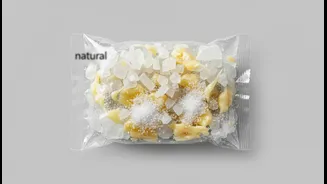
In the world of food packaging, words are chosen for their marketing power, and 'natural' is one of the most powerful. It conjures images of wholesome foods straight from the farm. However, its official meaning is much looser than you might think. In India,
the Food Safety and Standards Authority of India (FSSAI) has put rules in place to prevent misuse of such terms. According to the FSSAI's Advertising and Claims Regulations, terms like 'natural' can only be used if the product has not been processed in any significant way, aside from basic cleaning, peeling, or chilling. If a brand uses 'natural' as part of its trademark or brand name for a more processed item, it must include a disclaimer stating it is just a brand name and doesn't reflect the food's true nature. Yet, this is often a source of confusion, allowing products loaded with sugars or fats to wear a healthy halo.
The Health Halo: When Marketing Trumps Nutrition
The term 'natural' creates a 'health halo,' a psychological effect where we perceive a food to be healthier than it actually is, based on a single, appealing claim. Seeing 'natural' on a packet of biscuits, juice, or chips can make us less likely to check the back of the pack for the real story. Marketers know this well. For example, a fruit juice may be advertised as '100% natural' but could be made from concentrate and contain as much sugar as a fizzy drink. Similarly, veggie chips might sound like a healthy alternative to potato chips, but they can be just as high in salt and fat. FSSAI has recently cracked down on several brands for using misleading claims like 'healthy' and 'natural' to give a false impression of health benefits.
Hidden Sugar, Fat, and Salt
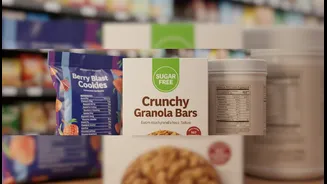
Many products marketed as 'natural' are surprisingly high in the very things we try to limit: sugar, fat, and salt. Packaged fruit juices and smoothies, for instance, often contain 'naturally occurring sugars'. While these sugars come from fruit, their concentration in juice means you consume a lot more than you would by eating the whole fruit, without the benefit of fibre. Granola and breakfast cereals sold as 'natural' can be loaded with added sugars like honey or jaggery, and fats from nuts and oils, making them very calorie-dense. Even savoury items are not immune. 'Natural' sauces, chutneys, and pickles often rely on high amounts of salt and sugar as preservatives and flavour enhancers. A recent study found many packaged snacks with health claims still had high levels of sugar, salt, and fat.
Your Best Defence: Read the Nutrition Label
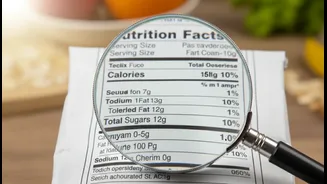
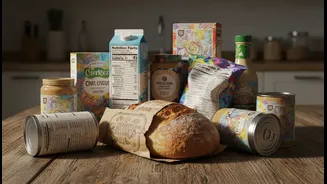
The single most powerful tool you have as a consumer is the nutrition information panel on the back of the pack. This is where the truth lies, far from the catchy slogans on the front. FSSAI has urged consumers to 'flip the pack' and check the details. Here’s what to focus on: the ingredients list and the nutrition facts. Ingredients are listed in descending order of weight, so the first three ingredients make up the bulk of the product. If sugar, salt, maida (refined flour), or hydrogenated oils are near the top, it’s a red flag. Next, look at the nutrition table. Pay attention to the 'per 100g' column for an easy comparison across products. Check the values for total sugar, sodium (salt), and saturated and trans fats. A high value means the product should be consumed in moderation, regardless of what the front of the pack says.
Become a Savvy Shopper
Becoming a savvy shopper means learning to see past the marketing and focus on the facts. Don't be swayed by buzzwords. Besides 'natural', watch out for claims like 'no added sugar', which doesn't mean the product is low in sugar—it might contain naturally occurring ones or artificial sweeteners. Also, be wary of serving sizes. Companies can make a product seem healthier by listing a tiny serving size. Always check how many servings are in the packet and do the maths if you’re likely to eat more than one. By learning to decode labels, you can make genuinely informed choices that align with your health goals, rather than being guided by a clever marketing campaign.