








The Desk Worker's Dilemma
Long hours spent sitting in a chair define the modern workday for millions. This sedentary lifestyle, however, comes at a cost that goes beyond a stiff back and tight hips. Our bodies are designed for movement, and prolonged inactivity can lead to a host
of metabolic issues. It slows down our metabolism, impairs the body's ability to manage blood sugar, and can leave us feeling perpetually fatigued. This creates a challenging cycle: we feel too tired to exercise, but the lack of exercise is what's making us tired. Breaking this cycle requires a form of physical activity that is effective, sustainable, and doesn't add more stress to an already drained system.
Introducing Zone 2: The 'Conversational' Pace
Forget the 'no pain, no gain' mentality. Zone 2 training is all about exercising at a low to moderate intensity. It's often called the 'conversational pace' because you should be able to hold a full conversation without gasping for breath. On a heart rate scale, this typically corresponds to 60-70% of your maximum heart rate. The goal isn't to push yourself to the limit, but to maintain a steady, comfortable effort for a sustained period. This approach might feel counterintuitively easy, but it’s precisely this gentle, consistent stress that unlocks profound physiological benefits, making it an ideal starting point for those looking to build a solid fitness base without the risk of burnout or injury.
The Science of Slow: Powering Your Cells
The magic of Zone 2 training happens at a cellular level, specifically with your mitochondria. Think of mitochondria as the tiny power plants inside your cells that convert fat and carbohydrates into energy. Spending time in Zone 2 is exceptionally effective at improving mitochondrial function and increasing their density. This makes your body more efficient at producing energy and, crucially, better at burning fat for fuel. Over time, this cellular upgrade translates into real-world benefits: improved endurance for daily activities, more stable energy levels throughout the day, and a more efficient metabolism that can help counteract the negative effects of a sedentary job.
Why Cycling Is the Perfect Match
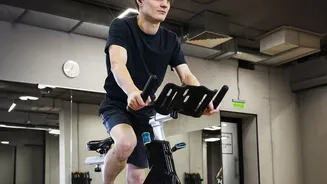
While many activities can be done in Zone 2, cycling is a particularly perfect fit, especially for desk workers. First, it's low-impact, meaning it’s gentle on the joints that can become stiff from sitting. Unlike running, where heart rate can spike on hills, cycling makes it much easier to maintain the steady, controlled effort required for Zone 2. Whether on a stationary bike at home or a leisurely ride outdoors, you can easily settle into a rhythm and hold it. This consistency is key to stimulating the aerobic adaptations that make this type of training so effective. Furthermore, even light pedalling at your desk can help improve circulation in your lower limbs, combatting the stiffness and fatigue from sitting.
Your Starter Guide to Zone 2 Cycling
Getting started is simple and doesn't require expensive gear. The main goal is consistency. Aim for three to four sessions per week. Start with a manageable duration, such as 30 to 45 minutes per session, and gradually increase your time as your fitness improves. The easiest way to monitor your intensity is the 'talk test': if you can speak in full sentences, you're in the right zone. If you have a smartwatch or heart rate monitor, aim to keep your heart rate between 60-70% of your maximum (a rough estimate for your max is 220 minus your age). Remember, the feeling should be comfortable and sustainable, not strenuous. The key is to keep the effort truly easy to allow your aerobic system to build its foundation.