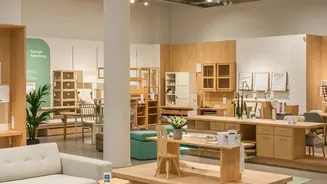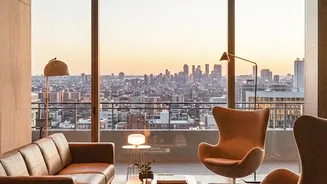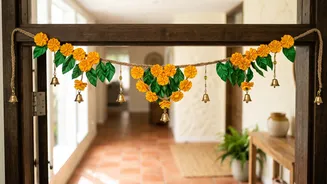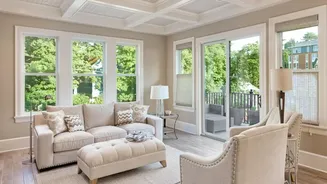





A quiet but powerful shift is happening in Indian cities. The clean, sharp lines of mass-produced decor are giving way to something warmer and more personal. So, what's driving this return to heritage and handcrafted beauty in urban homes?
A Quest for Authenticity and Soul
In a world saturated
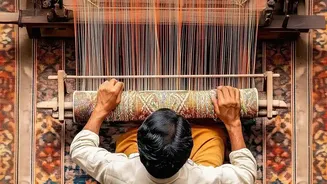
with factory-made uniformity, there's a growing desire for objects that tell a story. Industrial decor, with its clean but often impersonal feel, is being challenged by handmade pieces that carry the fingerprint of their creator. Each hand-carved wooden jharokha, hand-painted ceramic vase, or hand-woven dhurrie possesses unique variations that mass production cannot replicate. This quest for authenticity isn't just about aesthetics; it's about creating a personal sanctuary that feels soulful and alive. Homeowners are increasingly choosing items with provenance—a connection to a specific region, a craft community, and a tradition passed down through generations.
Sustainability Becomes a Lifestyle Choice
The conversation around sustainability has moved from a niche concern to a mainstream value, and home decor is no exception. Artisanal crafts, by their very nature, are often more eco-friendly. They typically use locally sourced, natural materials like bamboo, reclaimed wood, terracotta, and natural fibres, which have a lower environmental footprint than industrially processed goods. This 'buy less, buy better' philosophy champions durable, long-lasting items over the disposability of 'fast furniture'. Choosing a handcrafted piece is seen as an investment in quality and a conscious decision to support a more sustainable, circular economy that empowers local artisan communities.
Bridging Modern Living with Traditional Roots
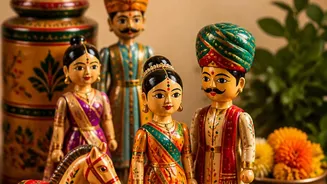
The return to heritage is not about recreating historical houses; it's about skillfully blending the old with the new. Contemporary Indian minimalism, for instance, pairs clean, modern furniture with a single, impactful piece of traditional art, like a Pattachitra painting or a statement brass idol. Designers and homeowners are proving that traditional crafts can thrive in modern settings. A classic jaali screen can act as a stylish partition, filtering light in a contemporary apartment, while colourful block-printed textiles can add warmth and personality to a minimalist living room. This fusion allows urban dwellers to connect with their cultural identity without sacrificing modern convenience and aesthetics.
The Rise of the 'New Heirloom'
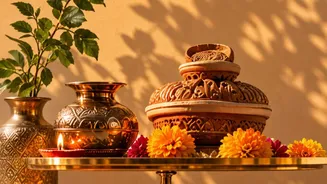
For a new generation of homeowners, heritage pieces are becoming the new heirlooms. Unlike trendy items that quickly fall out of fashion, a beautifully crafted object is timeless. Whether it's a brass lamp from Moradabad or a set of black pottery from Nizamabad, these items are valued for their longevity and the stories they carry. This trend reflects a deeper appreciation for craftsmanship and the desire to own meaningful possessions that can be passed down. In an age of digital impermanence, these tangible links to culture and family history provide a sense of grounding and continuity.