




An Annual, Predictable Crisis
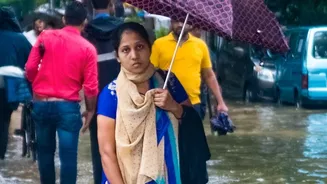
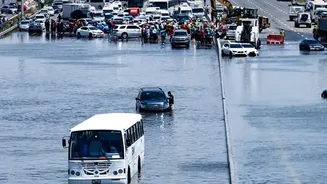
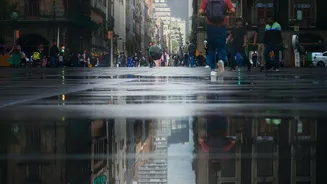
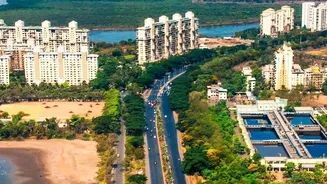
From Mumbai's arterial roads to Gurugram's corporate hubs, the scene is depressingly familiar: waterlogged streets, submerged vehicles, and citizens wading through knee-deep water. In early August 2026, heavy rainfall once again crippled daily life in the National
Capital Region, with authorities in Gurugram advising companies to allow work-from-home to ease traffic pressure. The city’s chronic waterlogging hotspots turned into bottlenecks, laying bare the vulnerability of its infrastructure. This recurring misery raises a critical question: why are our cities, the engines of India's growth, so consistently unprepared for a predictable annual event?
Drains from a Bygone Era
A significant part of the problem lies beneath our feet. Much of India's urban drainage infrastructure is decades old, designed for smaller populations and far less intense rainfall. Many colonial-era systems were engineered to handle rainfall intensities of 12-20 mm per hour. Today, climate change brings shorter, more ferocious downpours that can easily overwhelm this outdated network. The issue is compounded by abysmal maintenance. Drains are frequently choked with silt, plastic waste, and construction debris, drastically reducing their capacity and rendering them ineffective when they are needed most.
Paved Paradise, Flooded Reality
The rapid, often chaotic, expansion of our cities is another primary culprit. Unplanned urbanisation has led to a concrete and asphalt takeover. Surfaces that were once permeable, like soil and green spaces, have been paved over. As a result, rainwater that would have naturally seeped into the ground now has nowhere to go but onto the streets, increasing surface runoff exponentially. Worse still, natural drainage channels, lakes, and wetlands—which act as natural sponges—have been encroached upon or built over. Bengaluru, for instance, has lost nearly 80% of its water bodies over the decades, a story echoed in cities across the country, directly contributing to increased flood risk.
The Climate Change Multiplier
While flawed planning is the foundation of the crisis, climate change is a powerful threat multiplier. Scientists observe that monsoon patterns are shifting, leading to more erratic and extreme weather events. Instead of prolonged periods of moderate rain, cities now face short, intense cloudbursts that dump massive amounts of water in a few hours. These events are overwhelming systems that were already at their breaking point. The combination of intense rainfall and inadequate drainage infrastructure creates a perfect storm for urban flooding, turning a manageable challenge into a recurring disaster.
Looking for a 'Sponge'
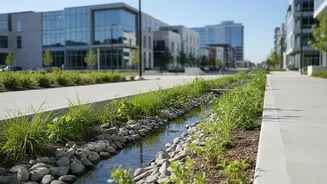
Fixing this crisis requires more than just cleaning drains. Urban planners and policymakers are increasingly looking towards the 'Sponge City' concept as a sustainable solution. First popularised in China, this approach aims to make urban areas more absorbent by integrating green infrastructure. Instead of solely relying on concrete pipes to channel water away, sponge cities use a network of permeable pavements, rooftop gardens, rain gardens, and restored wetlands to absorb, clean, and store rainwater at its source. This not only mitigates flooding but also helps recharge groundwater levels and reduce the urban heat island effect. Cities like Chennai have already begun implementing these ideas by building sponge parks designed to hold and filter stormwater, offering a glimpse of a more resilient future.