





Choose Your Destination Wisely
The first rule of smart monsoon travel is picking the right spot. While the rains make most of India beautiful, some areas become risky. Hill stations in the Himalayas, like those in Uttarakhand and Himachal Pradesh, are often prone to landslides and should
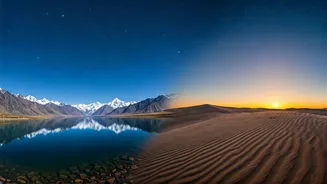
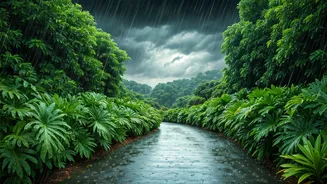
be approached with caution, if not avoided. [3, 17] Instead, consider regions that thrive in the monsoon. The Western Ghats, including destinations like Coorg, Munnar, and Mahabaleshwar, come alive with gushing waterfalls and vibrant greenery. [6, 7, 16] For those who prefer less rain, the deserts of Rajasthan or the rain-shadow regions of Ladakh and Spiti Valley remain relatively dry and accessible. [13, 17] Always check the local weather forecast and road conditions before and during your trip. [3, 20]
Pack Smart, Not Just Light
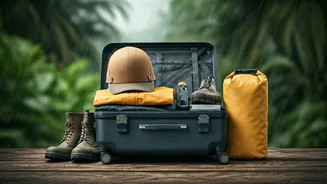
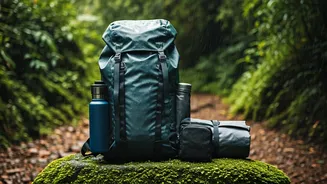
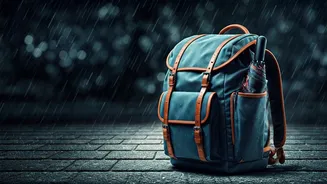
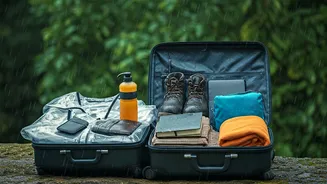
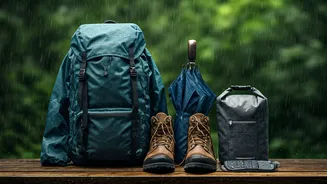
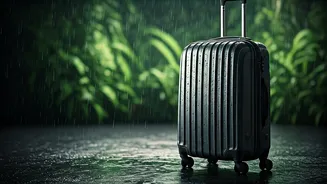
Monsoon packing is an art. Heavy fabrics like denim and thick cotton are a mistake; they take forever to dry. [4] Instead, opt for lightweight, synthetic, and quick-drying clothes. [4, 11] A sturdy, wind-resistant umbrella and a reliable raincoat or poncho are non-negotiable. [4, 10] Footwear is critical: leave the leather shoes and trainers at home. Pack waterproof sandals with good grip or rubber floaters that can handle puddles and slippery paths. [4, 17] Protecting your valuables is paramount. Use waterproof bags or zip-lock pouches for your phone, camera, passport, and other electronics to shield them from moisture. [3, 10, 11] A quick-dry microfibre towel and a rain cover for your backpack are also smart additions. [10]
Prioritise Health and Hygiene
The monsoon increases the risk of water-borne and mosquito-borne diseases. [21] Be vigilant about what you eat and drink. Avoid street food that has been exposed to the elements and stick to freshly cooked meals from clean, busy establishments. [3, 5, 21] Drink only bottled, filtered, or boiled water to avoid stomach issues. [21, 22] Mosquitoes are rampant, so carry and use a good insect repellent, especially in the evenings, and wear full-sleeved clothing. [9, 11, 21] A basic first-aid kit with medicines for common ailments like colds, fever, and diarrhoea, along with antiseptic and bandages, is essential for any monsoon trip. [3, 11]
Build Flexibility into Your Itinerary
Monsoon travel is unpredictable. Flights can be delayed due to poor visibility, trains can run late due to flooded tracks, and roads can be blocked. [5] The key is to not overschedule. Build buffer days into your itinerary to account for potential delays. [14] Booking accommodations with a flexible cancellation policy can save you from headaches if plans need to change. [5] Instead of rushing to see everything, embrace a slower pace. [5] This gives you the freedom to enjoy a sudden downpour with a cup of tea or take an unplanned detour that might lead to your favourite memory of the trip.
Navigate Roads with Extra Caution
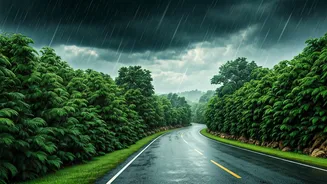
Road trips during the monsoon offer stunning views but come with risks. Potholes are often hidden by water, and surfaces can be extremely slippery. [7] If you are driving, reduce your speed, use your headlights, and maintain a safe distance from other vehicles. [20] It's best to avoid driving at night in hilly or unfamiliar areas. [5] If you're not confident driving in such conditions, hiring a local driver who is familiar with the terrain is a wise choice. [20] Before setting out, always ask your hotel or local contacts about the current road conditions and any potential blockages or landslide alerts. [14]