





The Quest for Versatility
Hair extensions offer a transformative way to change your look, adding instant length, volume, and even colour without waiting for natural growth or using damaging dyes. For those exploring their options, the two most distinct paths are often temporary,
do-it-yourself methods versus semi-permanent styles installed by a professional. Among the most popular choices in these categories are clip-in extensions and traditional sew-in weaves, which are attached to braided hair. While both can deliver stunning results, they represent fundamentally different approaches to hair enhancement, especially when it comes to application, maintenance, and the all-important removal process.
Clip-Ins: The Ultimate Flexibility
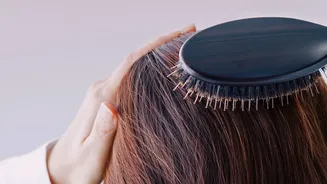
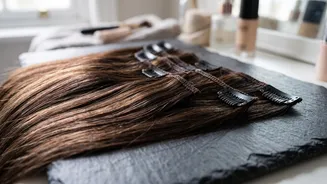
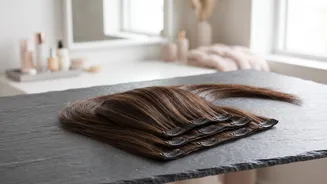
Clip-in extensions are wefts of hair attached to small, pressure-sensitive clips. Their main advantage is flexibility; you can apply and remove them yourself in minutes at home. This makes them ideal for special events, occasional wear, or for anyone new to extensions who wants to experiment without commitment. Application involves sectioning your own hair and snapping the clips into place close to the root. Because they aren't meant for continuous wear and must be removed before sleeping or washing, they place minimal stress on natural hair when used correctly.
Salon Braids: The Long-Term Solution
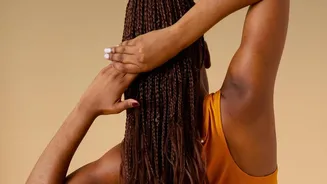
Permanent salon braid attachments, most commonly known as sew-in weaves, involve a much more intensive process. A stylist first braids the client's natural hair into a pattern of cornrows that lie flat against the scalp. Hair wefts are then sewn directly onto these braids with a needle and thread. This method is prized for its durability and secure, natural look, offering a protective style that can last for six to eight weeks. It's a popular choice for those who want a consistent look without daily styling of their natural hair.
The Removal Reality: A Clear Difference
Here, the headline's claim comes into sharp focus. Removing clip-in extensions is as simple as their application: you just locate each clip, snap it open, and gently slide the weft out. The entire process takes only a few minutes and requires no special tools or professional help. Removing a sew-in weave is a far more complex and delicate task. It's strongly recommended to return to a professional to avoid damaging your natural hair. The process involves carefully locating and snipping the threads that hold the wefts to the braids, without accidentally cutting your own braided hair. After all wefts are removed, the cornrows must be carefully unraveled. Because natural shedding has been trapped in the braids for weeks, this stage requires patience to detangle properly and avoid breakage. Rushing this process is a primary cause of hair damage.
Hair Health and Damage Potential
When used correctly, clip-ins are widely considered one of the least damaging types of extensions. Since they are removed daily, they don't put constant tension on the hair follicles, reducing the risk of traction alopecia—a type of hair loss caused by sustained pulling. However, improper use, like placing clips in the same spot every day or using wefts that are too heavy, can cause breakage. Sew-ins carry a higher risk, primarily due to the tension from the braids. If the braids are installed too tightly or the extensions are left in for too long, they can stress the scalp and follicles, potentially leading to hair thinning and traction alopecia. This risk is more significant for those with fine or thinning hair. However, when installed and maintained correctly by a skilled professional, a sew-in can serve as a protective style, giving natural hair a break from daily heat and manipulation.
Cost and Maintenance Considerations
Clip-in extensions are generally the more affordable option. They represent a one-time purchase cost, with no need for professional installation or maintenance appointments. Maintenance is also straightforward: they are washed separately from your own hair every 15-20 wears. Sew-ins involve a higher initial investment for professional installation and often require follow-up salon visits for maintenance every 6-8 weeks. While the hair wefts can sometimes be reused, the recurring service costs add up over time, making it a more significant financial commitment.