



The Real Weight of Our Possessions
Many of us live with sentimental clutter, those items that no longer serve a practical purpose but are too emotionally significant to discard. Psychologists explain that we form deep attachments to objects because they act as tangible links to our memories,
identity, and loved ones. That dusty trophy isn't just metal and plastic; it's a reminder of a moment of pride. The worn-out sweater isn't just fabric; it’s a hug from someone you miss. This connection is why decluttering sentimental items can feel like a genuine loss. Experts suggest that instead of starting with these emotionally charged items, you should build momentum by decluttering less sentimental areas first, like a kitchen or bathroom. However, when it is time to face the memory box, it’s important to acknowledge that the process is emotional and give yourself grace.
Shift Your Focus from Object to Story
The breakthrough in managing sentimental clutter comes from a simple but powerful mindset shift: the value is not in the object, but in the memory it triggers. The object is merely a key that unlocks a feeling, a person, or a time in your life. Once you recognize this, you can find ways to preserve the memory without being burdened by the physical item. This isn't about erasing your past; it's about curating it. Instead of keeping a dozen drawings from your child's kindergarten year, you can choose one that best represents that time. By being selective, you give more honour to the items you do keep. The goal is to create a home that is a sanctuary for your present life, not a museum for your past one.
The Art of Recording the Memory
The key to letting go is to create a new, less cumbersome home for the story. This is the 'recording' phase, and it can be as creative and personal as the memory itself. For some, this is as simple as taking a high-quality photograph of the item before passing it on. For others, a more detailed approach feels right. You can write a journal entry about the object, detailing where it came from, who gave it to you, and what it meant. Consider answering specific prompts: What does this item remind you of? How did you feel when you received it? What specific memory comes to mind when you hold it? Capturing these details is what truly preserves the story, not the object itself. This process allows you to fully appreciate the memory and grieve its release, which is a necessary part of letting go.
Modern Tools for a Digital Memory Box
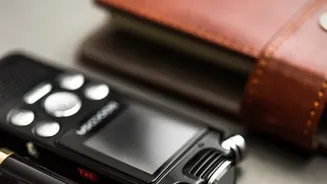
In our digital age, the options for recording stories are nearly limitless. You can record a short video or audio memo on your phone, telling the story of the item in your own voice. Imagine being able to hear your own story about your grandfather's watch years from now. You can also scan old letters, birthday cards, and children's artwork to create digital albums. Services and apps allow you to create beautiful, compact digital photo books, which can replace dozens of bulky albums. By storing these digital files in a dedicated cloud folder, you create a virtual memory box that takes up no physical space and can be accessed from anywhere. This digital archive becomes a vibrant, organized, and shareable collection of your most cherished moments.
The Final Step: An Intentional Release
Once the story is safely recorded, you can release the physical object. This final step should be as intentional as the rest of the process. Letting go doesn't have to mean throwing it in the bin. Can the item be repurposed? An old t-shirt can become part of a memory quilt. Could a family member or friend cherish it? Passing on an heirloom to a younger relative keeps the memory alive in a new way. Donating the item to a charity can also provide a sense of purpose, knowing it will be used and appreciated by someone else. The act of releasing the item becomes a positive and empowering ritual, marking the decision to honour your past while making physical and mental space for your present and future. It's about keeping the memory, not the thing.