


The Unique Challenge of Monsoon Humidity
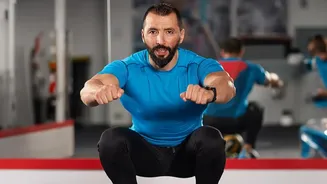
Working out indoors during the monsoon isn't the same as exercising in a dry, air-conditioned gym. High humidity means the air is already saturated with water vapor. This makes it much harder for your sweat to evaporate, which is your body’s primary cooling
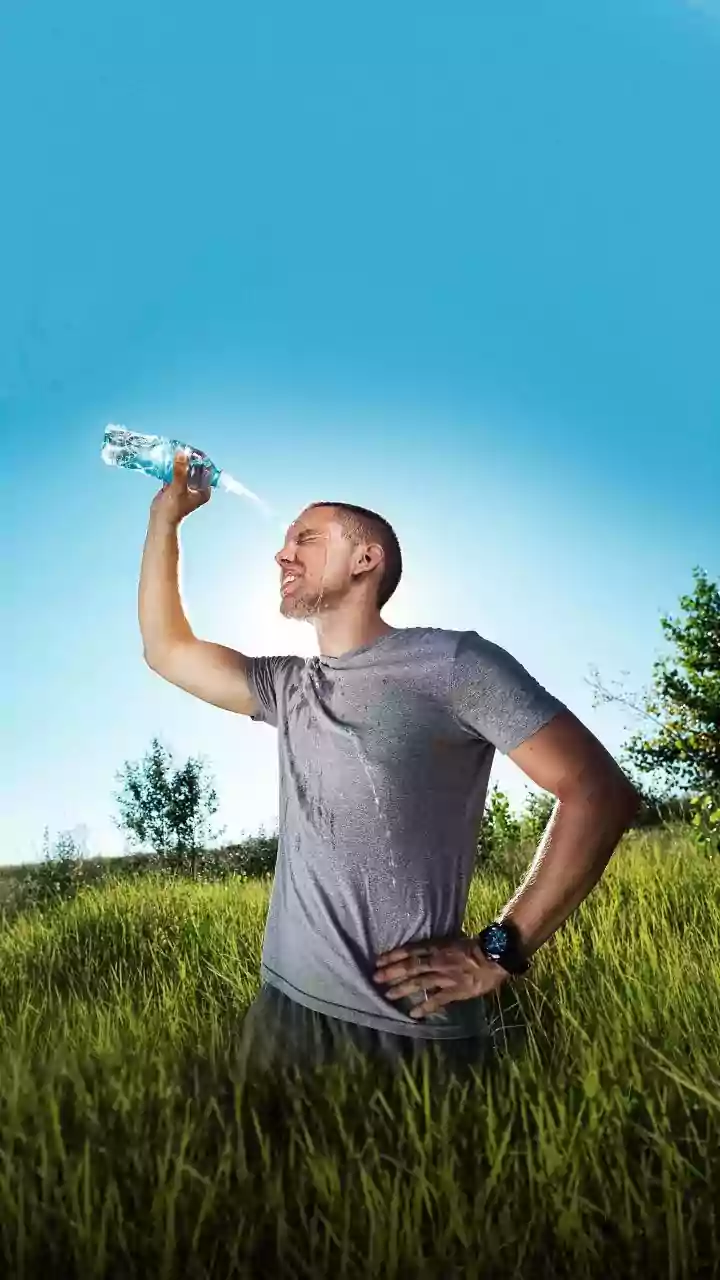
mechanism. As a result, your body works harder to cool down, leading to an increased sweat rate. Even if you don't feel like you're sweating more, you're losing more fluids and essential minerals, known as electrolytes, than you would in a less humid environment. This accelerated loss of electrolytes can quickly lead to dehydration, fatigue, and a noticeable drop in performance. The most common signs of this imbalance are muscle cramps, dizziness, and unusual tiredness.
Sodium: The Master Regulator of Hydration
When you sweat, sodium is the main electrolyte you lose. This mineral is crucial for many bodily functions, but during exercise, its most important job is to maintain fluid balance and support muscle contractions. Think of sodium as the gatekeeper for water in your cells; it helps your body retain the fluid you drink, ensuring your muscles stay properly hydrated. When sodium levels drop from excessive sweating, the electrical signals that control your muscles can misfire, leading to those sharp, involuntary muscle cramps that can stop a workout in its tracks. Simply drinking plain water isn't enough to solve this, as it doesn't replace the lost sodium and can sometimes dilute the remaining electrolytes in your body even further, making cramps more likely.
Magnesium: The Muscle Relaxation Mineral
While sodium helps muscles contract, magnesium plays the equally important role of helping them relax. This mineral is a critical component in energy production and is involved in over 300 cellular processes. During exercise, a lack of magnesium can lead to muscle stiffness, tremors, and an increased risk of cramps because the muscle can't properly release after a contraction. Many people may not get an optimal amount of magnesium from their diet, and intense exercise can further deplete these levels. Replenishing magnesium is therefore vital for preventing post-workout soreness and ensuring your muscles can recover effectively and function smoothly.
Choosing the Right Electrolyte Drink
To combat the effects of a humid workout, an electrolyte drink containing a balanced mix of sodium and magnesium is highly effective. For workouts lasting over an hour in high humidity, a sports drink is often recommended over plain water to replenish what's lost through perspiration. When choosing a drink, look for one that clearly lists sodium and magnesium in its ingredients. Some also contain other essential electrolytes like potassium and calcium, which further support muscle function. If you prefer to avoid commercial sports drinks, which can be high in sugar, you can opt for natural alternatives like coconut water with a pinch of salt or make your own at home.
DIY Hydration and Other Tips
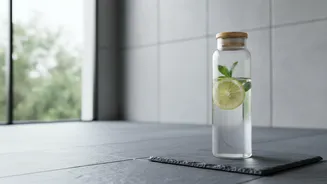
Creating your own electrolyte drink is simple and cost-effective. A basic recipe involves mixing water with a source of natural sugar for energy (like a splash of orange juice or a teaspoon of honey), a pinch of salt for sodium, and some lime or lemon juice, which provides potassium and can help with magnesium absorption. For instance, you could combine two cups of water with a half-cup of orange juice, a quarter-cup of lemon juice, a pinch of pink Himalayan salt, and a small amount of honey or maple syrup. Beyond your drink, remember to pre-hydrate a couple of hours before your session and continue to sip throughout. Also, listen to your body; if you feel dizzy, excessively tired, or your heart is racing, it's a sign to stop, cool down, and rehydrate.