






Millets: The Humble Grain’s Superfood Moment
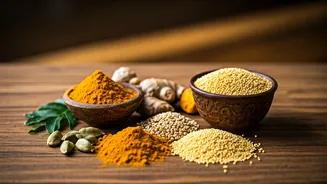
Remember ragi porridge or bajra rotis being staples of a simple, hearty meal? For decades, these hardy millets were sidelined by the polished appeal of wheat and rice. Seen as 'coarse' or 'rural' food, they vanished from many urban dining tables. Now,
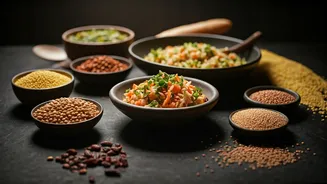
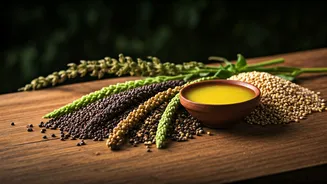
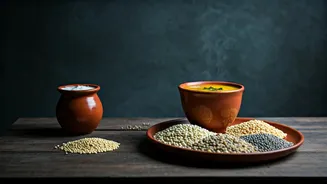
they are back with a vengeance. Driven by a global wellness movement, millets like jowar, bajra, and ragi are being celebrated for what they always were: nutritional powerhouses. They are gluten-free, high in fibre, and packed with minerals. This comeback isn't just about health; it's a cultural rediscovery. Chefs are using them in gourmet salads, artisanal breads, and even risottos, while the government's push for 2023 as the 'International Year of Millets' has cemented their return to the mainstream. This isn't just your grandmother's health food; it's the future of sustainable eating.
Ghee: The Golden Fat’s Redemption
Not long ago, desi ghee was public enemy number one in the world of nutrition. Blamed for high cholesterol and heart disease, it was replaced in many kitchens by refined vegetable oils. An entire generation grew up thinking of ghee as an indulgence to be avoided. Today, the narrative has flipped completely. Nutritionists, wellness influencers, and celebrity dieticians are championing ghee as a 'good fat.' Rich in fat-soluble vitamins and butyric acid, it's now praised for its anti-inflammatory properties and benefits for gut health. This scientific validation has given us permission to embrace what our traditions always knew: a spoonful of ghee not only adds incredible flavour but also nourishes the body. It’s reappearing in coffee (bulletproof coffee), as a premium cooking medium in high-end restaurants, and proudly on our rotis at home, fully redeemed.
Jackfruit: From Backyard Sabzi to Vegan Star
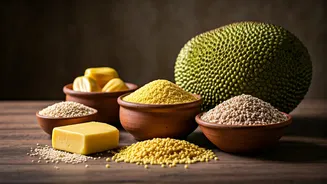
For many of us, kathal (raw jackfruit) was a familiar but perhaps unexciting part of seasonal home cooking, often appearing in a richly spiced sabzi or pickle. It was a humble, local vegetable. But its moment in the global spotlight has given it a brand-new identity. Thanks to its unique fibrous texture that uncannily mimics pulled meat, jackfruit has become a darling of the vegan and plant-based food scene. You’ll now find it starring in tacos, burgers, and sandwiches in trendy cafes across Indian cities. This global trend has encouraged us to look at our own ingredient with fresh eyes. Chefs are experimenting with kathal beyond traditional preparations, showcasing its versatility and making it cool again. It’s a wonderful example of a local ingredient becoming a global star and returning home with a new, exciting reputation.
Fermented Foods: The Gut-Friendly Comeback
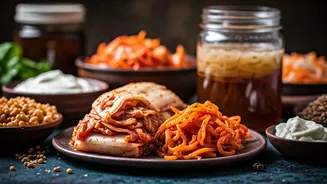
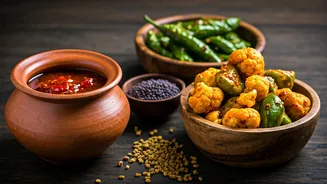
The tangy, pungent flavour of kaanji—a fermented drink made from black carrots—is a taste of childhood for many in North India. Along with homemade pickles and fermented rice gruels, these were traditional ways to preserve food and add flavour to meals. For a while, these complex, slow foods were replaced by convenient, store-bought alternatives. Now, as the world obsesses over gut health and probiotics, these traditional ferments are being recognised as powerful, natural sources of beneficial bacteria. The global kombucha craze has paved the way for a renewed appreciation of our own fermented heritage. Home cooks are reviving old family recipes, and wellness brands are bottling traditional drinks like kaanji and rice kanji, marketing them as desi probiotics. It’s a return to ancient wisdom, validated by modern science.
Local Greens: Beyond Palak and Sarson
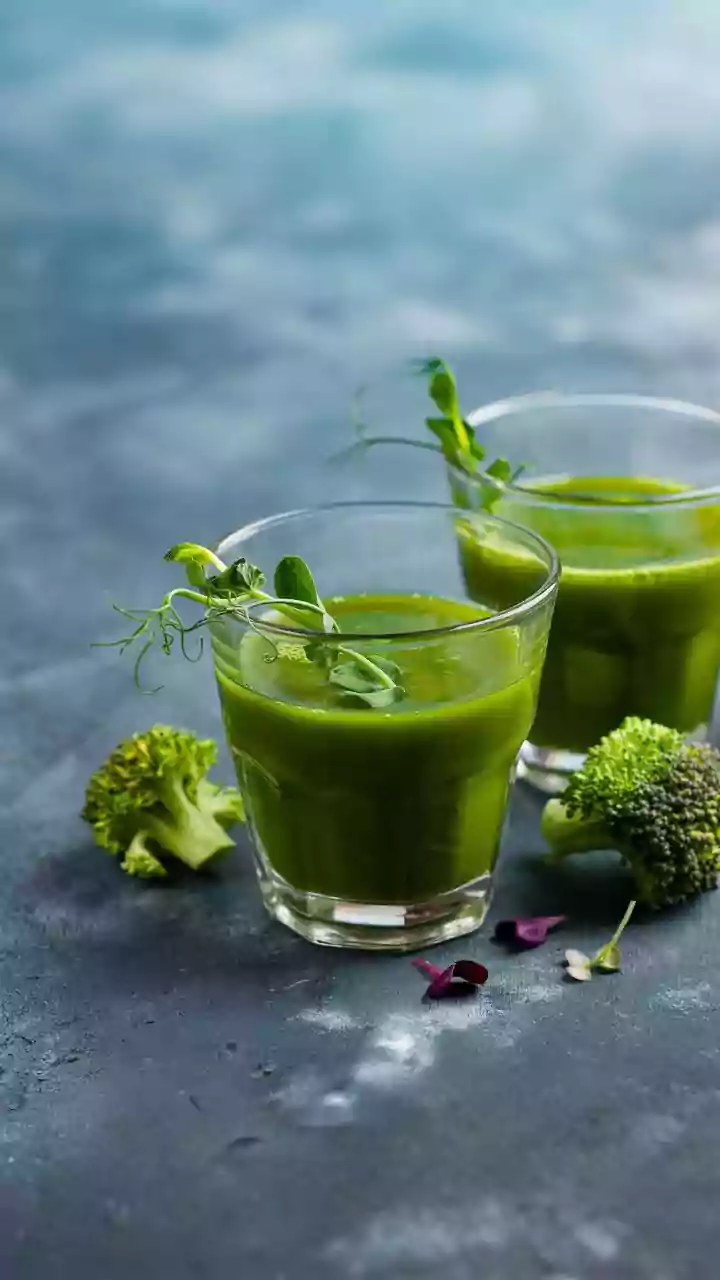
Our vegetable markets have always been home to a wide variety of seasonal, local leafy greens, or saag. Think moringa (drumstick leaves), amaranth (chaulai), or colocasia (arbi) leaves. However, with the rise of supermarkets, our choices often narrowed to the mainstream staples like spinach (palak) and mustard greens (sarson). Many of these hyper-local, nutrient-dense greens were at risk of being forgotten. Thankfully, a 'farm-to-table' philosophy is taking root among chefs and conscious consumers. They are actively seeking out these lesser-known greens from local farmers, celebrating their unique flavours and nutritional profiles. By featuring them on their menus and sharing recipes, they are re-introducing us to the incredible biodiversity of our own backyards, proving that the most exciting new flavours are sometimes the ones that were here all along.