




The Language of Texture
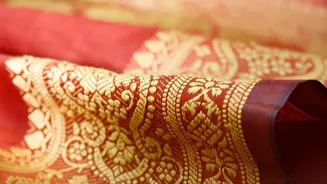
The first way textiles add warmth is through touch. In a world of smooth glass and polished metal, the tactile quality of handwoven fabric is a welcome contrast. Think of the naturally coarse feel of Khadi, the crispness of hand-spun cotton, or the plush
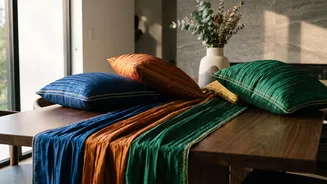
depth of a woollen dhurrie. These materials absorb light rather than reflecting it, instantly softening a room's acoustics and making it feel more intimate. The subtle irregularities in a handloom weave are not flaws; they are markers of craftsmanship that break up visual monotony and add a human element that machine-made fabrics lack. Layering different textures—a hand-stitched Kantha throw on a leather sofa or silk cushions on a jute-covered chair—creates a rich, inviting environment that begs you to get comfortable.
A Symphony of Colour and Pattern
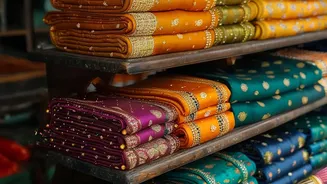
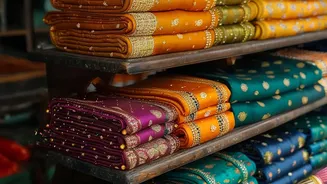
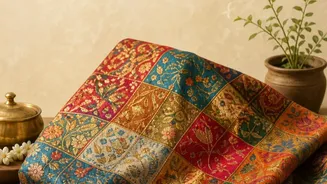
Beyond texture, Indian textiles are a masterclass in colour and pattern. From the deep indigos of Ajrakh to the vibrant hues of Bandhani, these fabrics introduce energy and personality into neutral spaces. Unlike flat, uniform paint colours, the natural dyes used in traditional crafts have a unique depth and variation that adds character. These colours can be used to create a mood: earthy tones for a grounded, calming feel or celebratory brights for energy and joy. The patterns themselves are often symbolic, with motifs like paisleys, florals, and geometric shapes carrying cultural narratives. A Kalamkari panel used as a wall hanging or an Ikat-print armchair can serve as a stunning focal point, transforming a simple room into a visually engaging space.
Every Thread Tells a Story
Perhaps the most profound way handcrafted textiles add warmth is through the stories they carry. A piece of fabric is not just a decorative item; it is a direct link to a craftsperson and a centuries-old tradition. Whether it’s a Kantha quilt made from recycled sarees, a block-printed Ajrakh cloth from Gujarat, or a Jamdani weave from West Bengal, each textile has a history and a sense of place. Choosing these pieces for your home is an act of preserving cultural heritage. This knowledge imbues your space with an emotional warmth, turning everyday objects like cushion covers and table runners into conversation starters and cherished artifacts. In an era of mass production, having something made by human hands brings a rare and valuable sense of authenticity into your living space.
Bringing It All Home
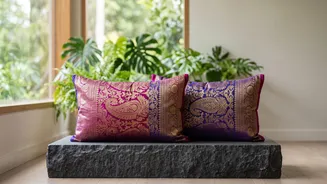
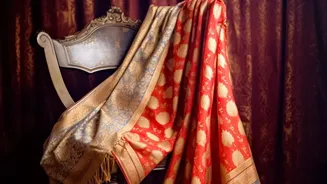
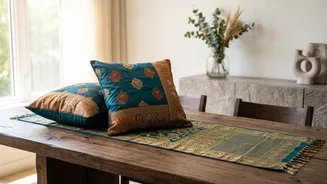
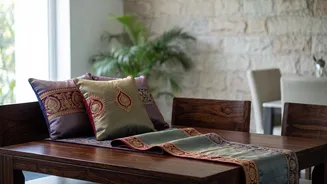
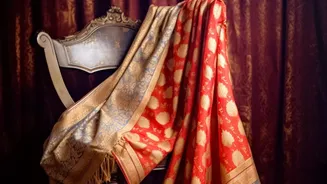
Incorporating these textiles is easier than you might think. You can start small with a collection of decorative pillow covers in complementary patterns to liven up a neutral sofa. A vibrant, hand-blocked quilt can become the centrepiece of a bedroom, while a beautiful throw draped over an armchair adds a final touch of comfort. Curtains made from handwoven cottons like Khadi or Chanderi can diffuse sunlight beautifully, creating a soft, warm glow. For a bolder statement, consider using a textile as a wall tapestry or upholstering an accent chair. Even your dining area can be transformed with a Kalamkari table runner or colourful block-printed placemats. The key is to start with a neutral base and layer these artisanal pieces as accents, allowing their craftsmanship to shine.