



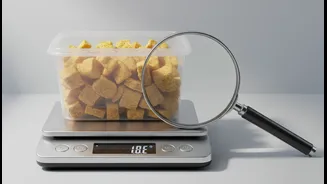


The Promise and Peril of 10-Minute Delivery
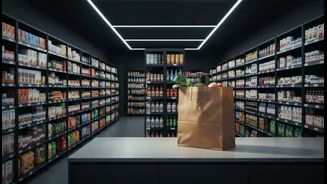
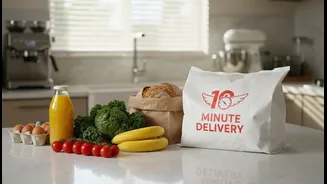
Quick-commerce platforms like Zepto, Blinkit, and Swiggy Instamart have revolutionized urban Indian life. Need milk for your morning chai or a last-minute onion? It’s at your door in minutes. This speed is powered by a network of 'dark stores' — small,
local warehouses designed exclusively for fulfilling online orders at high speed. While incredibly efficient, this model puts immense pressure on logistics. The race against the clock can sometimes lead to lapses in quality control. Recent complaints and regulatory actions have highlighted issues like the delivery of expired, spoiled, or improperly stored food items, bringing food safety into sharp focus for millions of users.
Your Pre-Order Safety Checklist
Smart shopping begins before you even add items to your cart. While you can't physically inspect products, you can use the app to your advantage. Check product ratings and read customer reviews, specifically looking for comments on freshness, packaging, and expiry dates. Some platforms highlight their freshness guarantees or sourcing information. The Food Safety and Standards Authority of India (FSSAI) has also mandated that e-commerce platforms must display their FSSAI license numbers, which adds a layer of accountability. Pay attention to seller ratings and avoid those with a history of negative feedback related to product quality.
The Critical Doorstep Inspection
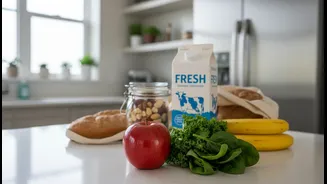
The most important check happens the moment your order arrives. Don't just accept the bag and let the delivery person leave. Take a minute for a quick inspection. For packaged goods, immediately check the 'Best Before' or 'Use By' date. Under Indian law, it is illegal to sell expired products. For fresh produce like fruits and vegetables, look for visible signs of spoilage — mould, unusual softness, or foul odours. For frozen items and dairy products like milk or yogurt, check if they are still cold. If a frozen product has thawed or a dairy item feels warm, the cold chain may have been broken during transit, making it unsafe to consume.
Best Before vs. Use By: What's the Difference?
Understanding food labels is crucial. 'Best Before' indicates the date by which the product will have the best flavour and quality. It might still be safe to eat after this date, but the texture and taste may decline. 'Use By' or 'Expiry Date' is a safety marker. You should not consume food after its 'Use By' date, as it could be spoiled and pose a health risk. FSSAI regulations are strict about this, prohibiting the sale of any food that has passed its 'Use By' date. Some guidelines even require products to have at least 30% of their shelf life or 45 days remaining at the time of delivery to ensure consumers have adequate time to use them.
Storage and the Cold Chain
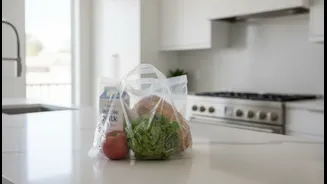
The journey from the dark store to your home is a critical part of food safety, especially for perishable items. Dark stores use different temperature zones (chiller, freezer, ambient) to store products correctly. However, the 'last mile' of delivery is where things can go wrong. If a delivery rider's insulated bag isn't effective or they are handling multiple orders, your ice cream could melt or your milk could get warm. This break in the cold chain can accelerate bacterial growth and spoilage. Always feel your cold items upon delivery. If they are not at the correct temperature, it is a valid reason to reject them or request a refund.
What to Do When You Get a Bad Product
If you discover a spoiled or expired item, act immediately. First, take clear photos of the product, its packaging, and the expiry date. Then, use the customer support or help section within the app to report the issue. All platforms have policies for refunds or replacements for poor-quality items. If you don't get a satisfactory response, you have further recourse. You can file a complaint with the National Consumer Helpline at 1915 or online. For food-specific issues, a complaint can be lodged with the FSSAI. Selling expired goods is an offence under the Consumer Protection Act, 2019, and the Food Safety and Standards Act, 2006, and you are entitled to a resolution.