








More Than a Trend, It's a Mindset
For Generation Z, born between the late 1990s and early 2010s, sustainability isn't just a buzzword; it's a core value that shapes their worldview. [21] Having grown up amidst urgent conversations about climate change, this demographic is keenly aware
of the environmental impact of their choices. [3] This awareness translates directly into their consumption habits, where the goal is not just to own less, but to consume in a way that feels smarter and less destructive. It's a move away from the linear 'take-make-dispose' model that defined previous generations, and toward a circular approach that prioritizes reuse, repair, and recycling. [6, 11] As a result, concepts like the circular economy have found a natural and enthusiastic audience in these young consumers. [6, 12]
The Secondhand Revolution
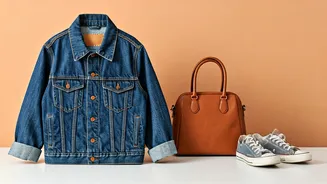
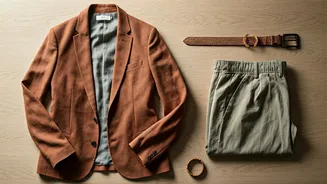
The most visible manifestation of this mindset is the explosion of the secondhand market. Fueled by Gen Z, the resale industry is growing significantly faster than traditional retail. [13] An estimated 83% of Gen Z consumers have either purchased or are open to buying secondhand apparel. [2] For many, it's now standard practice to search for an item secondhand before even considering buying it new. [2] This behaviour is driven by a blend of ethics and economics. While sustainability is a factor for many, affordability remains the single biggest driver, with 74% of Gen Z citing price as their primary reason for buying pre-owned goods. [13] In an era of economic uncertainty, thrifting allows them to access higher-end brands and unique styles without the high cost. [2, 13] This has turned what was once a niche activity into a mainstream shopping habit, with two out of every five items in the average Gen Z closet being secondhand. [2]
The Digital Thrift Store and the Influencer Effect
Technology has been a massive catalyst in this shift. Digital natives through and through, Gen Z utilizes online platforms like Depop, Poshmark, and ThredUp to buy and sell pre-loved items, turning thrifting into a social and entrepreneurial venture. [7, 11] Social media also plays a complex role. While influencers promoting massive 'hauls' of cheap, disposable clothing still exist and contribute to overconsumption, a counter-movement of 'de-influencing' has also emerged, encouraging followers to buy less. [3, 4] This generation is highly skeptical of corporate greenwashing and demands transparency. [1] Research shows 90% of Gen Z consumers believe companies have a responsibility to address social and environmental issues, and 75% will actively research a brand's claims to verify their authenticity. [18] This puts pressure on brands to be genuinely accountable for their supply chains and environmental footprint. [21]
The Complicated Relationship with Fast Fashion
Despite their stated preference for sustainability, Gen Z's relationship with fast fashion is complicated. The very same generation driving the secondhand boom is also a key demographic for ultra-fast fashion giants like Shein and Temu. [3] This phenomenon, known as the 'intention-behaviour gap', highlights a conflict between values and actions. [4] The appeal of trendy, inexpensive clothing is powerful, especially for a generation facing financial pressures and the social media impulse to maintain a fresh wardrobe. [3, 4] Many young consumers report feeling a sense of guilt or cognitive dissonance, being aware of the environmental and ethical costs of fast fashion even as they purchase it. [3, 4] This suggests that while the desire for less wasteful consumption is real, it often competes with the powerful forces of price, convenience, and social trends. [22]
How Brands Are Responding
Retailers are taking notice of this powerful shift. The growth of the resale market is forcing traditional brands to adapt or risk being left behind. [13] In response, over 160 apparel brands have launched their own resale programs, integrating secondhand sales into their long-term growth strategies. [2] Others are focusing on using more sustainable materials, offering repair services, or providing detailed transparency reports about their production processes. [19] These companies understand that to win the loyalty of Gen Z, they must do more than just sell a product; they must demonstrate a genuine commitment to values that align with their customers'. [1, 15] Trust is paramount, and a majority of Gen Z shoppers will abandon a brand entirely after a negative experience or if they feel their trust has been broken. [1, 10]