


The Green Revolution on City Balconies
Across Chennai, a quiet but powerful movement is taking root on balconies, windowsills, and terraces. Urban residents are discovering the simple pleasure and immense satisfaction of growing their own food. This trend, often called balcony or kitchen gardening,
is driven by a desire for fresh, pesticide-free produce, a reconnection with nature amidst city life, and the rising awareness of sustainable living. Initiatives like the Chennai Urban Farming Initiative (CUFI) are actively promoting this green shift, aiming to improve food security and even create green livelihood opportunities, particularly for women. Beyond just a hobby, this practice offers a host of benefits, from stress relief and improved mental well-being to reducing household expenses and making homes cooler. Studies have shown that a rooftop garden can lower indoor temperatures by several degrees, a welcome respite in Chennai's climate.
Your First Three Herbs: The Perfect Trio
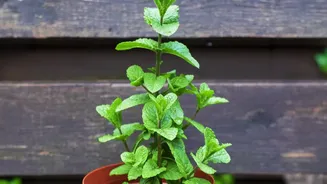
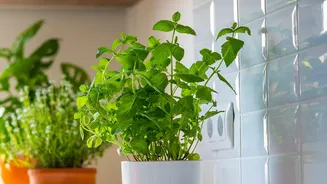
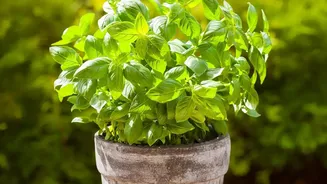
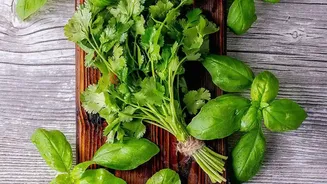
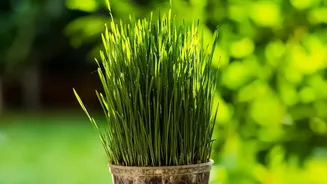
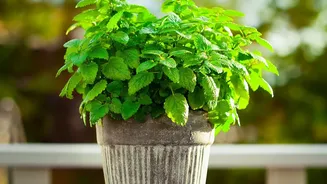
The headline trio of coriander, mint, and basil are the perfect starting point for any budding balcony farmer in Chennai. They are relatively easy to grow, thrive in containers, and are staples in Indian kitchens. Coriander (Dhaniya): A must-have for curries and garnishes. Coriander loves cooler weather and can be grown in partial sun. It grows quickly, and you can start harvesting leaves in just a few weeks. Mint (Pudina): Extremely easy to grow, mint is a vigorous plant that's perfect for containers—in fact, a pot helps contain its enthusiastic spreading. It enjoys bright, indirect light and moist soil, making it quite forgiving for beginners. Basil (Tulsi): Whether it's the sacred Tulsi or Italian basil for pesto, this herb loves the sun. A spot on a south or west-facing balcony is ideal. It’s not just flavourful but also has numerous health benefits.
Getting Started: Your Balcony Starter Kit
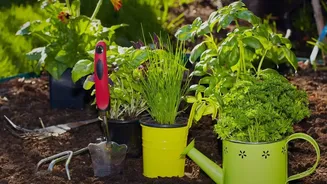
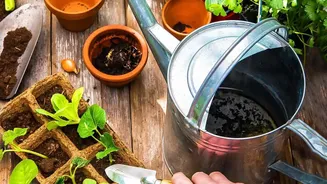
Starting your own balcony garden is simpler and more affordable than you might think. You don't need a huge space; any small corner that receives adequate sunlight will do. Here’s a basic list of what you'll need: Containers: Choose pots, grow bags, or even recycled containers that are at least 6-8 inches deep to give roots enough space. Crucially, ensure they have drainage holes to prevent waterlogging, a common mistake for beginners. Potting Mix: Avoid using heavy garden soil, which compacts easily in pots. A good potting mix should be light and well-draining. A common DIY mix includes cocopeat (for moisture retention), compost or vermicompost (for nutrients), and some soil. Seeds or Saplings: For beginners, starting with good quality seeds is key. You can buy them from local nurseries or online. Alternatively, buying small saplings can give you a head start. Watering Can or Spray Bottle: A simple tool to ensure you can water your plants gently and effectively.
Step-by-Step Guide to Your First Harvest
Ready to get your hands dirty? Here’s a simple process to follow. First, assess your sunlight. Most herbs need at least 4-6 hours of sunlight per day. Observe your balcony to find the sunniest spots. Next, prepare your pots by filling them with your potting mix, leaving a small gap at the top. Sow your seeds according to the packet instructions—usually about half an inch deep. Water them gently but thoroughly. Keep the soil consistently moist but not waterlogged. In a few weeks, you will see sprouts. Once the plants are a few inches tall, you can begin harvesting. For leafy herbs like coriander and mint, regularly pinching off the outer leaves encourages bushier growth and provides you with a steady supply for your kitchen.
Troubleshooting Common Issues
Even the greenest thumbs face challenges. A common issue, especially in hot climates, is 'bolting,' where a plant flowers prematurely due to heat stress, which can make herbs like coriander bitter. To avoid this, try to provide some afternoon shade. Overwatering is another frequent problem, leading to root rot. Always check if the top inch of soil is dry before watering again. Pests can be managed with natural solutions like neem oil spray, which is readily available. Companion planting, like growing basil near tomatoes, can also help deter pests naturally.