
From Private Kitchens to Public Plates
For decades, the landscape of Indian food outside the home was defined by a familiar roster of restaurant hits. While delicious, this selection often represented only a fraction of the subcontinent's true culinary diversity. The real magic—the hyperlocal
specialties, the dishes unique to a single family, the recipes passed down through memory and practice—stayed within the home. But a delicious revolution is underway. Across the country, food festivals are shifting their focus from commercial eateries to the rich, untapped world of home cooking. These events serve as vibrant platforms where generational recipes, once shared only at family gatherings, are now celebrated by thousands. This trend is more than just a food lover's dream; it acts as a living museum of culinary heritage, preserving traditions one plate at a time.
Spotlight on Regional and 'Lost' Recipes
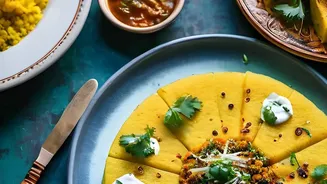
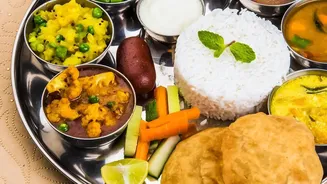
Events like the 'Lost Recipes of Undivided India' festival by The Fern Hotels & Resorts are prime examples of this movement. These festivals make a conscious effort to research and revive dishes that have faded from the mainstream, many of which were passed down orally and risked being forgotten. Imagine tasting a Moti Pulao, a regal dish from a royal court, or a Narkeler Bati Chorchori, a rustic Bengali curry fragrant with mustard. These are not just meals; they are stories of a shared past. Similarly, festivals celebrating specific regional cuisines, like Sattvik Food Festival for traditional Gujarati food or Ahare Bangla for Bengali flavours, provide a stage for dishes rarely seen on commercial menus. This focus on authenticity gives attendees a chance to connect with the roots of the food, beyond just the recipe itself.
The Rise of the Home Cook
Central to this movement is the celebration of the home cook. Instead of celebrity chefs, many festivals now feature mothers, grandmothers, and culinary enthusiasts who have perfected these recipes over a lifetime. Mumbai-based home chef Gitika Saikia, for instance, has been instrumental in bringing Assamese tribal and mainland dishes to a wider audience through pop-ups and festivals, using ingredients sourced directly from her home state. This shift accomplishes two things: it provides an unparalleled level of authenticity and empowers the very keepers of this culinary heritage. It acknowledges that the true masters of these generational dishes are often not formally trained chefs but everyday people whose expertise was honed in their own kitchens.
A Craving for Authenticity and Connection
What is driving this hunger for home-style, traditional food? For many urban Indians, particularly younger generations, it’s a powerful form of nostalgia and a search for cultural identity. In a globalised world, these specific, regional flavours offer a tangible connection to their heritage. Post-pandemic, there has been a notable trend towards rediscovering and appreciating local cultures, and food is a primary gateway. These festivals offer more than just a meal; they offer an experience. They are a chance to hear the story behind a dish, understand its origins, and feel connected to a larger community and history. It transforms eating from a simple act into a meaningful cultural exchange.
Preserving a Culinary Legacy
Ultimately, the rise of these food festivals plays a crucial role in culinary preservation. By showcasing and documenting these generational recipes, they ensure that this vital aspect of Indian culture is not lost to time. Each festival that features a 'lost' recipe or a home cook's specialty helps to record and popularize it, ensuring it gets passed on. This creates a cycle where renewed interest encourages more people to learn and cook these dishes, keeping the traditions alive and evolving. It ensures that the rich, diverse, and deeply personal tapestry of Indian home cooking continues to be woven for future generations to savour.