






Perfecting Paw Hygiene
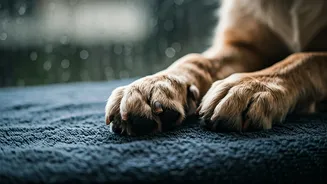
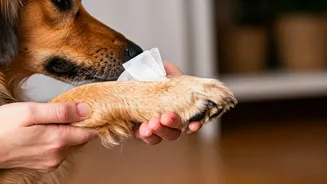
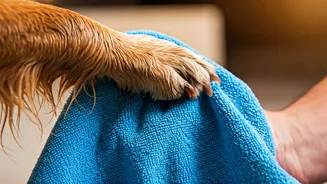
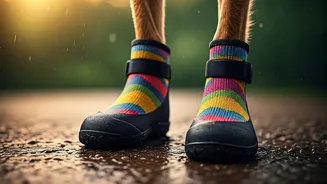
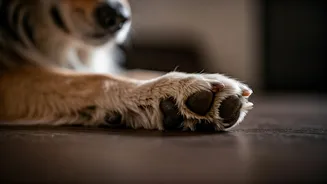
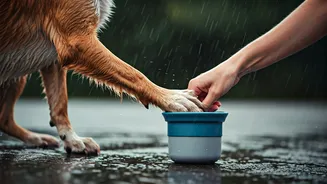
A dog's paws encounter everything from hot pavements to muddy parks. Daily paw cleaning is crucial to prevent infections and discomfort. After every walk, a quick wipe-down is a must. You can use pet-safe grooming wipes, which are gentle and effective.
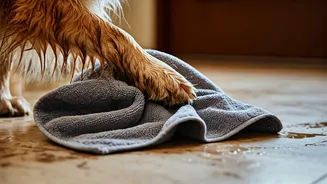
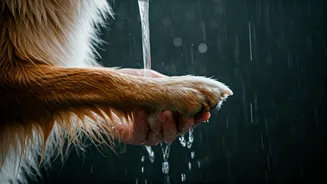
For a more thorough clean, especially after a muddy outing, a soft towel dipped in lukewarm water works well. For heavily soiled paws, a mini-wash with a dab of dog-specific shampoo in a sink or basin is ideal, but be sure to rinse and dry completely, especially between the toes, as trapped moisture can lead to fungal or bacterial issues. While cleaning, take a moment to inspect the paw pads for any cuts, cracks, or foreign objects like thorns or glass. Minor cuts can be cleaned with a diluted antiseptic labeled for pets. This simple daily ritual not only keeps your house cleaner but is a frontline defence against paw-related health problems.
Managing Dry and Itchy Fur
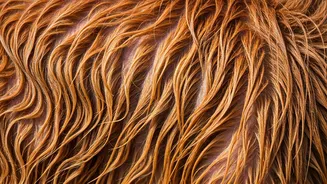
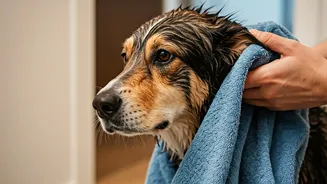
Dry, flaky skin and a dull coat can make your dog miserable. The causes range from diet and allergies to weather, especially the high humidity during the Indian monsoon which can paradoxically lead to skin issues. Nutrition plays a foundational role; a balanced diet rich in Omega-3 and Omega-6 fatty acids can significantly improve skin and coat health from the inside out. Bathing frequency is also key. Over-bathing can strip natural oils, while infrequent bathing allows allergens and dirt to build up. Use a gentle, moisturising dog shampoo. For existing dryness, several home remedies can provide relief. An oatmeal bath, made by mixing finely ground plain oatmeal into lukewarm water, has anti-inflammatory properties that can soothe irritated skin. Applying a small amount of virgin coconut oil directly to dry patches can also moisturise the skin and has natural antibacterial properties. If itching is persistent or leads to raw spots, it is crucial to see a veterinarian, as it could signal underlying allergies or infections requiring specific treatment.
The Critical Tick Check Routine
Ticks are a year-round threat in India's climate, capable of transmitting serious diseases. A daily tick check, especially after your dog has been outdoors in grassy or wooded areas, is non-negotiable. Run your hands slowly over your dog’s entire body, feeling for small bumps. Pay special attention to their favourite hiding spots: inside and behind the ears, between the toes, in their 'armpits', under the collar, and around the tail. If you find a tick, it's important to remove it correctly. Using a pair of fine-tipped tweezers or a special tick-removal tool, grasp the tick as close to the skin's surface as possible. Pull upward with steady, even pressure. Avoid twisting or jerking, as this can cause the head to break off and remain in the skin, which can lead to infection. Never crush a tick with your fingers. After removal, clean the bite area with a pet-safe antiseptic and wash your hands thoroughly. It’s a good idea to note the date you found the tick in case your pet shows any signs of illness later.
Prevention is the Best Medicine
Beyond these daily checks, a consistent prevention strategy is your best tool. Regular grooming not only keeps your dog's coat healthy but also serves as an early detection system for skin issues and parasites. Wash your pet’s bedding frequently in hot water to eliminate fleas and other pests. For tick and flea control, numerous effective products are available, from monthly topical treatments and oral medications to long-lasting collars. Natural repellents like diluted neem oil can also be used, but always consult a professional first. Combining these preventative measures with the daily checks for paws, fur, and ticks creates a powerful shield, ensuring your dog remains comfortable, healthy, and ready for your next adventure together.