


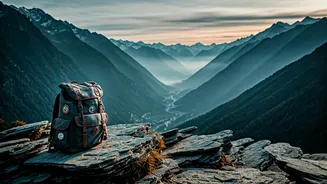


The Allure of a Land Apart
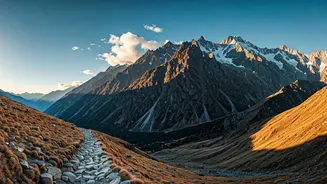
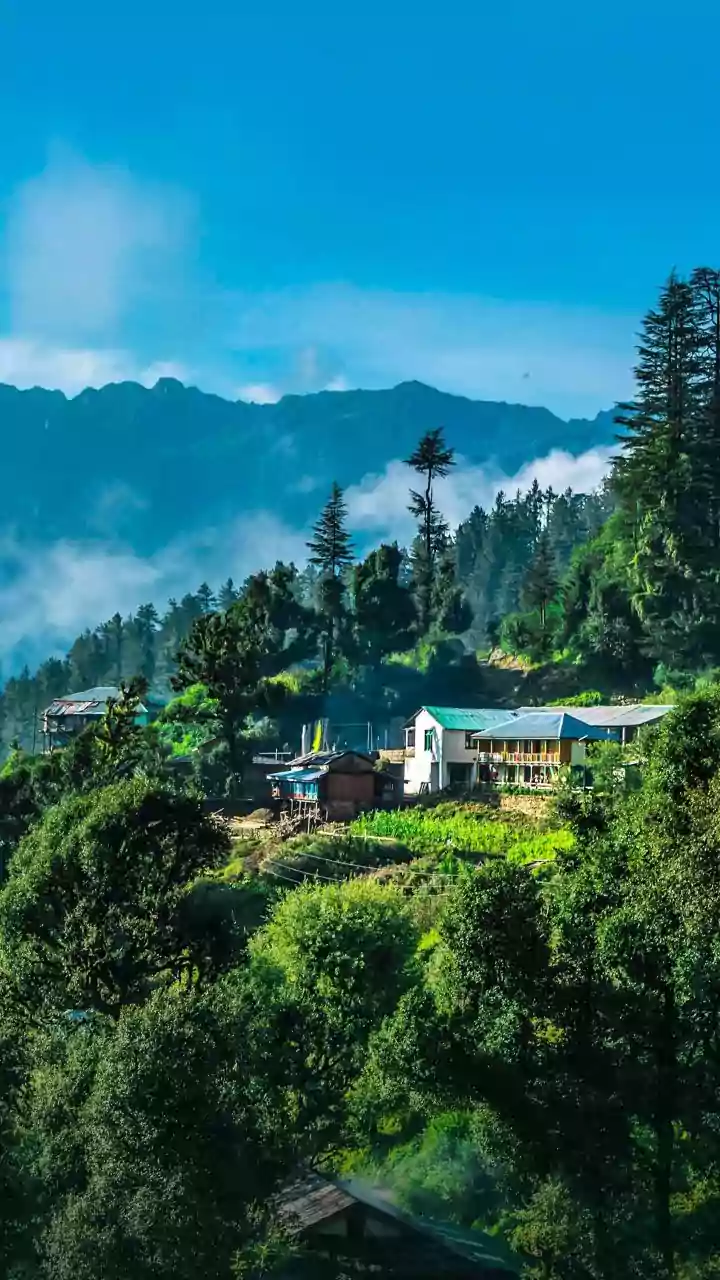
Nestled in the northeastern corner of Himachal Pradesh, sharing a border with Tibet, Kinnaur has long been a land of mystique. Historically known as the 'land of the gods,' its landscape is a dramatic tapestry of lush green valleys, roaring rivers like
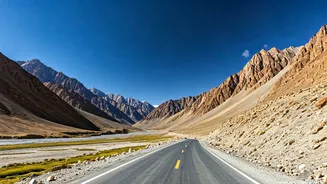
the Sutlej, and stark, arid mountains. Unlike the more frequented trekking circuits in Uttarakhand or other parts of Himachal, Kinnaur offers a rawer, more profound sense of isolation and adventure. The culture here is a unique and harmonious blend of Hinduism and Tibetan Buddhism, evident in the ancient monasteries perched precariously on cliffs and the intricate carvings on village temples. For trekkers, this means the journey is not just a physical challenge but a deep cultural immersion into a world that feels wonderfully untouched by time.
Chasing the Perfect Weather Window
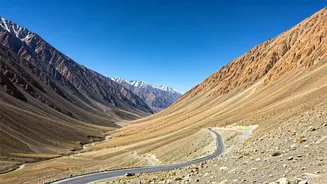
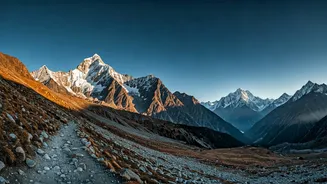
The phrase 'chasing clear weather' perfectly captures the essence of Kinnaur's prime trekking season. The region is largely in a rain-shadow area, but the monsoon months (July and August) can still bring landslides and treacherous conditions. The true magic begins in late August and extends through to early October. During this post-monsoon period, the landscape is washed clean, the dust has settled, and the air is crisp and clear. This offers unparalleled, panoramic views of the towering peaks of the Kinnaur Kailash and Zanskar ranges. The daytime temperatures are pleasant for hiking, and the stable weather provides a relatively safe window for crossing high-altitude passes that are otherwise inaccessible for most of the year. It's a fleeting season of perfection, sandwiched between the wetness of the monsoon and the biting cold of the impending winter.
The Pilgrimage Trail: Kinner Kailash Parikrama
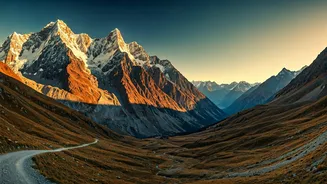
The crown jewel of Kinnaur trekking is undoubtedly the Kinner Kailash Parikrama. This is not merely a trek; it is one of the most revered pilgrimages for both Hindus and Buddhists. The trail circumnavigates the sacred Kinner Kailash peak (6,050 metres), which is believed to be the mythical winter abode of Lord Shiva. The focal point of the journey is a 79-foot vertical rock pillar, the 'Shivling,' that stands majestically against the sky. The trek itself is demanding, typically taking 7-8 days and crossing the formidable Charang La pass at an altitude of over 5,200 metres. Trekkers traverse dense pine and deodar forests, vast alpine meadows, and glacial moraines, making it a comprehensive Himalayan experience. The spiritual aura, combined with the extreme physical challenge, makes this a transformative journey for many.
The Crossover Classic: Bhaba Pass Trek
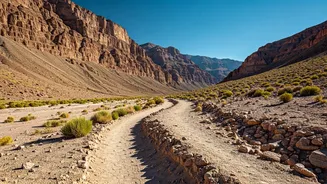
For those seeking a journey of contrasts, the Bhaba Pass trek is an exceptional choice. Often called one of the most beautiful crossover treks in the Himalayas, it connects the lush, green Bhaba Valley of Kinnaur with the stark, arid desert of the Pin Valley in Spiti. The transition is breathtakingly sudden. One moment you are walking through dense forests and verdant grasslands dotted with wildflowers, and the next, after crossing the 4,890-metre pass, you are greeted by a barren landscape of purple, brown, and ochre mountains. This trek offers a stunning visual narrative of the geographical diversity of the region. It's a moderately difficult trek that serves as a brilliant introduction to high-altitude hiking, providing a taste of two distinct Himalayan worlds in a single journey.
Preparing for the High Passes
Trekking in Kinnaur is a serious undertaking that demands respect for the mountains. Altitude is the primary challenge, with most major trails ascending well above 4,000 metres. Proper acclimatization is non-negotiable. It's crucial to spend at least a day or two in a high-altitude town like Kalpa or Reckong Peo before starting your trek. A good level of cardiovascular fitness is essential; start training weeks in advance with long walks, jogging, and stair climbing. Packing should be meticulous, with layers of warm clothing, a waterproof jacket, sturdy trekking shoes, and a first-aid kit. More importantly, always travel with experienced local guides and porters. Their knowledge of the terrain, weather patterns, and local culture is invaluable and ensures not only your safety but also a richer, more authentic experience.