








Rethinking the Rest Day
The traditional wisdom around muscle growth is that rest is when the magic happens. After you stress your muscles with heavy lifting, they repair and rebuild themselves stronger during periods of inactivity. While this is true, the concept of a rest day
has evolved. Total passivity can sometimes lead to increased stiffness and a feeling of lethargy. This has led many to explore active recovery: the practice of using low-intensity exercise to help the body recover more efficiently than simply doing nothing at all.
The Power of Active Recovery
Active recovery works by keeping your blood flowing without putting significant new stress on your healing muscles. This increased circulation is crucial. It helps deliver more oxygen and essential nutrients to muscle tissues that are busy repairing themselves. At the same time, it helps to clear out metabolic waste products that can accumulate after intense exercise. While the old theory about "flushing lactic acid" has been updated, the core benefit remains: gentle movement can significantly reduce the sensation of soreness and stiffness, helping you feel better faster.
Why Swimming Is the Ideal Choice
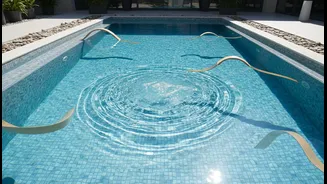
This is where swimming comes in. It’s a perfect form of active recovery for several reasons. First, it’s incredibly low-impact. The buoyancy of water supports your body, taking the pressure off of tired joints, bones, and connective tissues that have been pounded by heavy weights. This allows you to move freely and without the pain or strain that might come with other activities like jogging. The goal is to stimulate recovery, not create more damage, and swimming provides a safe environment to do just that.
A Weapon Against Muscle Soreness
Every lifter is familiar with Delayed Onset Muscle Soreness (DOMS)—that deep ache that sets in a day or two after a tough workout. Swimming can be a powerful tool to combat it. The hydrostatic pressure of the water acts like a full-body compression garment, gently squeezing your muscles. This pressure can help reduce swelling, ease muscle tension, and enhance circulation to flush out the byproducts associated with soreness. The result is often a noticeable reduction in stiffness and a greater range of motion the day after a swim.
More Than Just Physical Benefits
The benefits aren't purely mechanical. A gentle swim offers a mental break as well. The rhythmic nature of swimming and controlled breathing can have a meditative effect, helping to lower stress levels after a week of intense training. It breaks the monotony of a completely sedentary day, leaving you feeling refreshed and limber rather than stiff. This can improve your overall mood and prime you mentally for your next heavy session in the gym. This combination of physical and mental refreshment is why many now see the pool as an essential part of their training toolkit.
How to Get Started
Incorporating swimming as active recovery doesn't require an Olympian effort. The key is to keep the intensity low and the duration manageable. A session of 20 to 40 minutes is generally effective. Focus on slow, steady strokes. The breaststroke and backstroke are often recommended as they allow for a wide, gentle range of motion in the shoulders and hips without too much exertion. Remember, this isn't a race or a workout. The goal is to finish feeling more refreshed and mobile than when you started, not more tired.