





The Psychology of Invisible Money
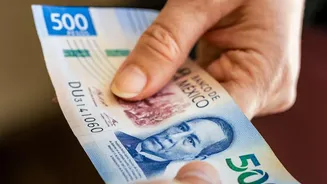
The core reason frictionless payments lead to higher spending is a concept called the 'pain of paying'. When you hand over physical cash, your brain registers a tangible loss, which acts as a natural brake on spending. Neuroscientists have even used fMRI
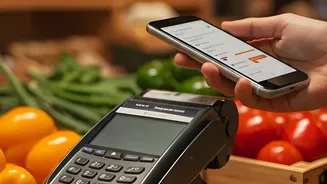
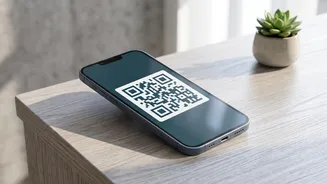
scans to show that spending cash activates the insula, a part of the brain linked to physical pain and disgust. Digital payments, however, are abstract. Tapping your phone or scanning a QR code is so quick and seamless that it barely registers as a financial transaction. This process removes the psychological friction, making the loss feel less real and significantly lowering our cognitive defenses against making a purchase.
How UPI Is Designed for Spending
UPI apps are engineered for speed and convenience, which inadvertently encourages impulse buying. Features like one-tap payments, saved contacts, and instant bank transfers eliminate the moments of pause where you might reconsider a purchase. Studies show that this convenience is a major factor in increased spending, with one survey finding that nearly 75% of respondents reported spending more because of UPI. Furthermore, the gamification of payments through cashback offers, scratch cards, and rewards creates a positive feedback loop, nudging you to spend more for a small, enjoyable reward. This combination of effortless transactions and rewarding experiences makes it easy to lose track of the small amounts that quickly add up.
Start with a Spending Audit
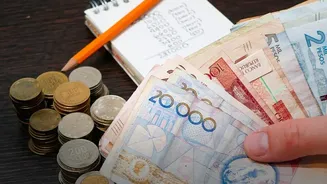
Before you can change your habits, you need to know what they are. The first step is to simply become aware of your spending. For one week, track every single UPI payment you make, no matter how small. Use a notebook or a simple app on your phone to log the amount and the category (e.g., 'chai,' 'auto,' 'snack'). The goal isn't to judge yourself, but to gather data. At the end of the week, add it all up. You might be shocked to discover that your 'small' daily expenses accumulate into a significant monthly outgoing. This clarity is the foundation for building mindful spending habits.
Create a Separate Micro-Budget
One of the most effective strategies is to create a digital 'petty cash' drawer. Use a feature like UPI Lite or a separate digital wallet and load it with a fixed amount for your weekly discretionary spending—things like snacks, local commutes, and coffee. Once that money runs out, you stop spending on non-essentials for the week. This method keeps your small, frequent payments from cluttering your main bank statement and prevents them from draining your primary account. It creates a clear boundary and forces you to be more intentional with your daily spends.
Introduce Intentional Friction
Since the problem is frictionless spending, the solution is to reintroduce a little friction. A simple but powerful technique is the 'payment pause'. Just before you scan a QR code for a non-essential purchase, stop for three to five seconds. Ask yourself: “Do I really need this right now?” This tiny delay brings back the moment of consideration that digital payments are designed to eliminate. Another way to add friction is to disable one-tap payment features and remove saved card details, forcing you to manually enter a PIN or other information for each transaction. This small hurdle can be enough to deter an impulsive buy.
Automate Your Tracking
Manually logging every expense can be tedious. Thankfully, technology can help here too. Several expense tracker apps available in India can automatically categorise your spending by reading your transactional SMS alerts. Apps like Moneyview, Axio, and FinArt can provide a real-time dashboard of where your money is going without any manual entry. Even major UPI apps often have basic built-in expense tracking features. Using one of these tools makes tracking effortless and provides you with clear, visual data on your spending patterns, helping you spot areas where you can cut back.