


The Ultimate Low-Maintenance Companion
Picture this: you’re on a train, a long bus journey, or stuck in airport layover limbo. Hunger strikes. Do you risk the questionable pantry car sandwich or the overpriced airport snack? Or do you reach into your bag for a food that requires no cutlery,
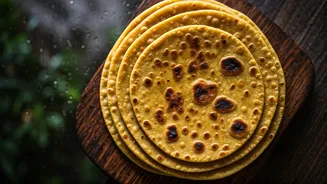
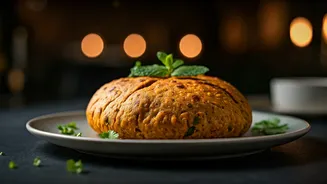
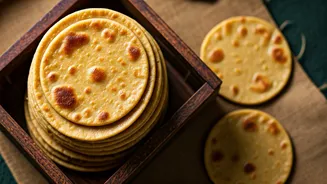
no plate, and zero assembly? This is the core genius of the thepla. These soft, spiced flatbreads are designed to be eaten by hand. They don't crumble like biscuits or spill like a container of rice. You can roll one up and eat it cleanly, even in a cramped seat. This inherent tidiness makes them the undisputed champion of mess-free travel food. For parents travelling with children, this is a game-changer. No sticky fingers, no dropped spoons, just a simple, satisfying meal that keeps everyone happy.
Engineered for a Long Journey
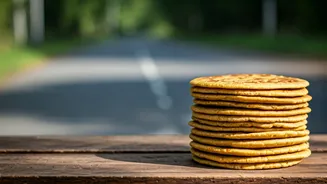
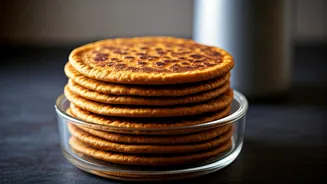
Why do theplas last so long without refrigeration when a regular roti or paratha would go stale or spoil in a day? The secret lies in the ingredients and preparation. Traditional thepla recipes often use a generous amount of oil or ghee, which acts as a natural preservative by creating a barrier against moisture loss and microbial growth. Furthermore, key ingredients like dried fenugreek leaves (kasuri methi) and turmeric have natural preservative properties. The dough is kneaded to be firm, with less water content than a typical chapati dough, further inhibiting spoilage. This is not a happy accident; theplas were perfected over generations by a community known for its traders and travellers. They were engineered for the road, designed to remain soft and flavourful for days, making them a reliable source of sustenance on long voyages.
A Pocket-Sized Powerhouse of Nutrition
Travel food often forces a compromise between convenience and nutrition. We grab what's fast, which usually means processed, sugary, or fried snacks that leave us feeling sluggish. Thepla, however, is a surprisingly balanced option. The base is typically whole wheat flour (atta), providing complex carbohydrates for sustained energy release. Many recipes also incorporate gram flour (besan), which boosts the protein content. The addition of fenugreek leaves (methi) is a masterstroke, offering iron, fibre, and a host of vitamins. Spices like turmeric, red chilli powder, and asafoetida are not just for flavour; they are known to aid digestion, which can be a huge bonus when you're out of your regular routine. It's a wholesome meal packed into a neat, portable disc.
Incredibly Versatile, Endlessly Adaptable
A thepla is rarely just a thepla. Its simple, savoury flavour profile makes it a perfect canvas for a variety of accompaniments. The most classic travel pairing is a dollop of spicy mango pickle (chunda or athanu). The sweet, sour, and spicy notes of the pickle perfectly complement the earthy taste of the flatbread. It can also be paired with a simple dry potato sabzi, a container of thick yogurt, or even just a smear of butter. Eaten on its own, it’s a delicious snack. Paired with something else, it becomes a full-fledged meal. This versatility means you can pack one type of food but enjoy it in several different ways, preventing the flavour fatigue that often sets in during a long trip. You can even find variations with bottle gourd (doodhi) or other vegetables grated into the dough for extra moisture and nutrients.
A Taste of Home on the Go
Beyond all its practical benefits, carrying theplas on a journey offers something less tangible but equally important: comfort. For many, the taste and smell of a homemade thepla is a connection to home. It’s the flavour of a mother’s or grandmother’s cooking, a comforting and familiar presence in an unfamiliar place. In a world of standardised airport food and generic highway restaurants, pulling out a food that is personal and prepared with care provides a moment of genuine comfort and satisfaction. It's more than just fuel; it's a piece of your own kitchen, a taste of tradition that makes any journey feel a little less daunting and a lot more pleasant.