






The Tale of Two Preservation Methods
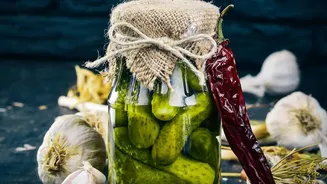
At first glance, a commercial pickle and a traditionally fermented vegetable look similar. Both are preserved cucumbers or other vegetables in a brine. However, the process behind them is fundamentally different. Most commercial pickles you find on a supermarket
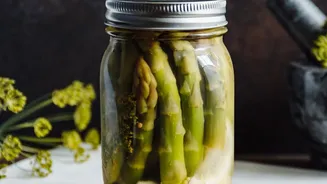
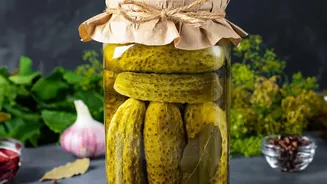
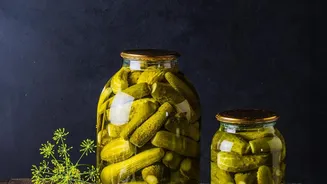
shelf are made using a 'quick pickling' method. Vegetables are packed into jars with a hot brine of vinegar, water, salt, and spices. This acidic vinegar solution is what preserves the vegetable and gives it that sharp, tangy flavour. The process is fast, predictable, and creates a shelf-stable product, often through pasteurisation, which involves heat-treating the jars to kill any bacteria. In contrast, traditional fermentation is a slower, more natural process called lacto-fermentation. Here, vegetables are submerged in a simple saltwater brine. This environment encourages naturally present beneficial bacteria, like Lactobacillus, to convert the sugars in the vegetables into lactic acid. This lactic acid is what preserves the food and creates a complex, tangy flavour without any added vinegar.
The Gut Health Game-Changer
The most significant reason for the shift towards fermented jars is the benefit of probiotics. Because traditional fermentation is a live process and is not typically pasteurised, the final product is teeming with beneficial live bacteria. These probiotics are known to support a healthy gut microbiome, which plays a crucial role in everything from digestion to immune function. Commercial pickles, on the other hand, are usually devoid of these live cultures. The high acidity of the vinegar brine is not conducive to their growth, and the pasteurisation process, designed for shelf stability, eliminates any bacteria, both good and bad. For consumers increasingly aware of gut health, the choice is clear. Fermented vegetables offer a natural, whole-food source of the probiotics that are becoming a cornerstone of modern wellness.
A Deeper, More Complex Flavour
Beyond health, there's a world of difference in taste. Vinegar-based pickles deliver a straightforward, sharp sourness. While enjoyable, it can be one-dimensional. Fermentation, however, creates a flavour profile with incredible depth and complexity. The lactic acid provides a milder, more nuanced tang, but the process also develops rich, savoury umami notes that you simply don't find in a standard commercial pickle. This intricate flavour is why chefs and food lovers are drawn to fermented products. They add a sophisticated zing to sandwiches, salads, and meals that a simple vinegar pickle can't quite match. The slow transformation process creates a product that tastes alive and dynamic, a true reflection of its artisanal roots.
Enhanced Nutrition and Clean Labels
The benefits of fermentation don't stop at probiotics. The process can also make the nutrients within the vegetables more bioavailable, meaning our bodies can absorb them more easily. Fermentation can increase levels of certain vitamins and break down compounds that might otherwise interfere with nutrient absorption. Furthermore, the trend aligns with a growing consumer demand for 'clean labels' and transparency. A jar of traditionally fermented vegetables often contains just three ingredients: the vegetable, water, and salt. Compare that to the labels of many commercial pickles, which can include preservatives, firming agents, artificial colouring (like yellow #5 to achieve that classic bright green), and added sugars. For shoppers looking to avoid processed ingredients and embrace whole foods, the simple, natural ingredient list of a fermented product is a major draw.