
First, What Are Microplastics?
Think of microplastics as tiny plastic particles, smaller than a grain of rice. They come from two main sources: primary microplastics, which are tiny particles manufactured for products like face scrubs, and secondary microplastics, which result from the
breakdown of larger plastic items like bottles, bags, and synthetic clothing. These particles are now found everywhere, from our oceans and soil to the air we breathe. This means they can inevitably find their way into our food and water.
How Do They Get Into Our Food?
Microplastics enter our diet through several pathways. They've been found in a wide range of products, including seafood, sea salt, honey, and even beer. Fish and shellfish can ingest plastic from the ocean, which then moves up the food chain. But it's not just seafood; studies have also detected microplastics in fruits and vegetables like apples and carrots, which may absorb them from contaminated soil and water. Our drinking water, both bottled and tap, is another significant source. In fact, some studies show bottled water can contain much higher levels of microplastics than tap water, likely from the packaging itself. The way we store and prepare food also matters. Heating food in plastic containers can cause particles to leach into your meal.
Are They Harmful to Our Health?
This is the million-rupee question, and the science is still evolving. Major health organisations agree that more research is needed to fully understand the long-term effects on humans. However, preliminary research and animal studies raise some concerns. These tiny particles may cause inflammation, cellular damage, and disruption to our gut microbiome. Some plastics also contain chemical additives like phthalates and BPA, which are known endocrine disruptors and can leach into food, especially when heated. A recent human study even found a correlation between the presence of microplastics in arterial plaque and a higher risk of heart attack or stroke. While there is no concrete proof that the current levels of exposure cause disease, these early findings suggest that reducing exposure is a sensible goal.
The Myth of the 'Microplastic Detox'
You may have seen online trends promoting special diets, supplements, or cleanses to "detox" your body of microplastics. However, there is no scientific evidence to support these claims. Health experts caution that our bodies already have sophisticated detoxification systems, namely the liver and kidneys. The most effective strategy is not to try and flush out plastics after the fact, but to reduce your exposure in the first place. Instead of spending money on unproven products, focus on making practical, evidence-based changes to your daily habits.
Smart, Practical Ways to Reduce Exposure
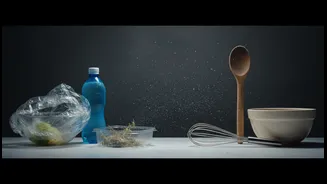
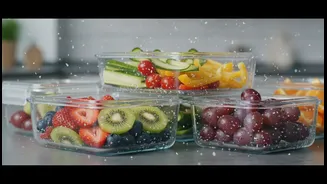
Completely avoiding microplastics is impossible, but you can significantly lower your intake with a few simple shifts. Start in the kitchen. Avoid microwaving food in plastic containers; transfer it to glass or ceramic instead. Using wooden cutting boards and stainless steel utensils can also help. When it comes to hydration, consider using a water filter for your tap water and carrying a reusable glass or stainless steel bottle. This can reduce your exposure compared to drinking bottled water. In your grocery cart, opt for fresh, whole foods whenever possible, as highly processed foods often come with more plastic packaging and have been shown to contain more microplastics. Choosing items sold in glass, paper, or aluminium over plastic can also make a difference.