




A New Era in Low-Earth Orbit
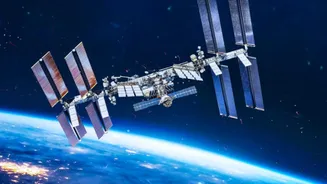
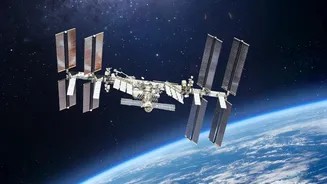
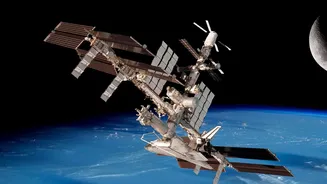
For decades, the International Space Station (ISS) was the sole orbital outpost for humanity. But with the ISS scheduled for retirement in the coming years, a new model is taking shape. NASA is actively fostering the development of commercially owned
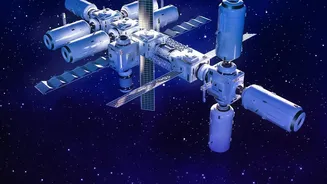
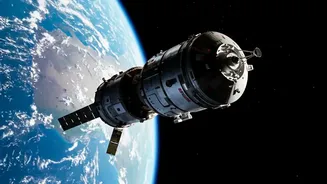
and operated space stations through its Commercial LEO Destinations program. Companies like Axiom Space, Blue Origin with its Orbital Reef concept, and the Starlab venture from Voyager and Airbus are at the forefront, designing the successors to the ISS. These are not just government projects; they are intended to be mixed-use business parks in space, serving a range of customers including NASA, other national agencies, private researchers, and even tourists. This shift creates a sustainable market in LEO, driving down costs and spurring innovation.
The Ultimate Proving Ground
Deep space is an unforgiving environment, far harsher than the relatively protected confines of LEO. Missions to the Moon and Mars will expose astronauts and equipment to extreme radiation, vast temperature swings, and the physiological toll of long-duration microgravity. Before sending humans on journeys that could last for years with significant communication delays, it is critical to test the systems that will keep them alive. Private orbital habitats serve as the perfect proving ground for this. They are platforms for perfecting advanced life support, developing closed-loop systems that recycle air and water, and testing new radiation shielding materials. Every piece of hardware, from high-voltage power systems to durable electronics, must be validated for long-term reliability.
Training for the Long Haul
The challenges of a Mars mission are not just technological; they are deeply human. Long-duration missions will test the psychological resilience of crews dealing with isolation, confinement, and the inability to communicate with Earth in real-time. Commercial space stations provide a vital platform for studying and mitigating these human factors. Astronauts on these stations, including private astronauts on missions managed by companies like Axiom, gain operational experience in a real space environment. These missions allow researchers to study the effects of prolonged spaceflight on the human body—from bone density loss to immune system changes—and develop effective countermeasures. Learning how to manage crew health and autonomy on a months-long stay in LEO is a necessary prerequisite for a multi-year trip to Mars.
Building a Sustainable Space Economy
The massive cost of space exploration has historically limited what government agencies can achieve alone. By turning low-Earth orbit into a commercial marketplace, private companies are fundamentally changing the economic equation. Reusable rockets have already drastically lowered launch costs. Private stations will further this by creating reliable destinations for commercial activities like in-space manufacturing, pharmaceutical research, and technology development. This new orbital economy allows NASA to transition from being the owner and operator of a station to one of many customers. This frees up agency resources to focus on the pioneering work of deep space exploration, such as developing the rockets and spacecraft needed for its Artemis Moon missions and eventual crewed missions to Mars.