



1. Prep Your Car Before the Rain Starts
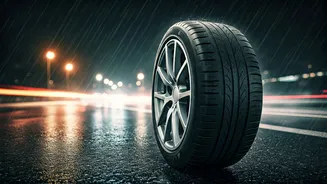
The safest rainy-day drive begins with a well-prepared vehicle. Don't wait for the first downpour to discover your equipment is faulty. Check your tyres for adequate tread depth (at least 3mm is recommended for wet conditions) and proper inflation. Worn-out
tyres can't channel water away effectively, drastically increasing the risk of skidding. Test your windscreen wipers; if they leave streaks or make scraping noises, replace them immediately. Finally, ensure all your lights are working—headlights, taillights, and indicators. In a heavy shower, being seen is just as important as seeing.
2. Beware the First 15 Minutes
The initial phase of a rain shower is often the most dangerous. Rainwater mixes with oil, grease, and dust that have accumulated on the road, creating an exceptionally slick surface. This greasy film makes roads far more slippery than they are an hour into a continuous downpour when the contaminants have been washed away. During these first 15-20 minutes, reduce your speed significantly, increase your following distance to at least five seconds behind the car in front, and be extra gentle with your braking, steering, and acceleration to avoid losing traction.
3. Master Visibility and Following Distance
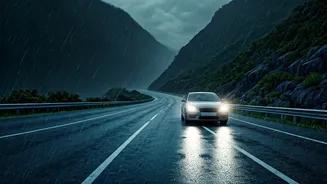
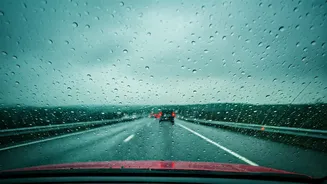
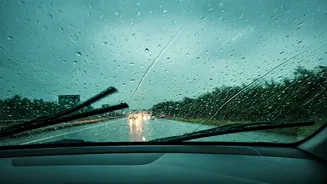
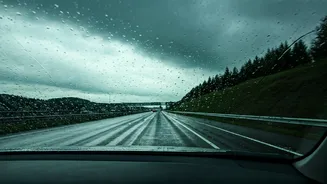
Heavy rain severely reduces visibility for everyone. Turn on your low-beam headlights—not your high beams, which reflect off the raindrops and worsen your view. Using headlights makes you more visible to other drivers and pedestrians. Use your car’s demister or air conditioning to prevent the windscreen from fogging up. Most importantly, give yourself space. Braking distances can double on wet roads. Maintaining a generous gap between you and the vehicle ahead gives you more time to react to sudden stops or obstacles, a common occurrence in chaotic Indian traffic.
4. Understand and Avoid Hydroplaning
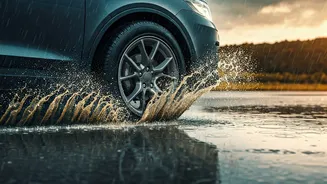
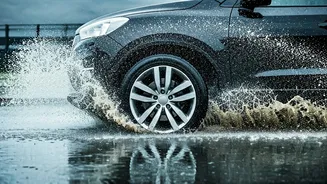
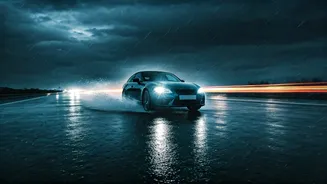
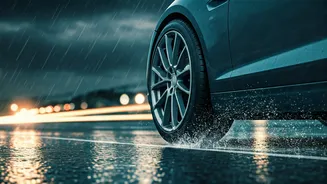
Hydroplaning is when your tyres lose contact with the road surface and ride on a thin layer of water. It can happen at speeds as low as 50-60 km/h. If you feel the steering become light and unresponsive, you are likely hydroplaning. Do not slam on the brakes or make sharp turns. Instead, ease your foot off the accelerator gently and keep the steering wheel straight. Let the car slow down on its own until you feel the tyres regain their grip on the road. The best way to avoid it is to drive slower than the posted speed limit and steer clear of large puddles where possible.
5. Navigate Waterlogged Roads with Caution
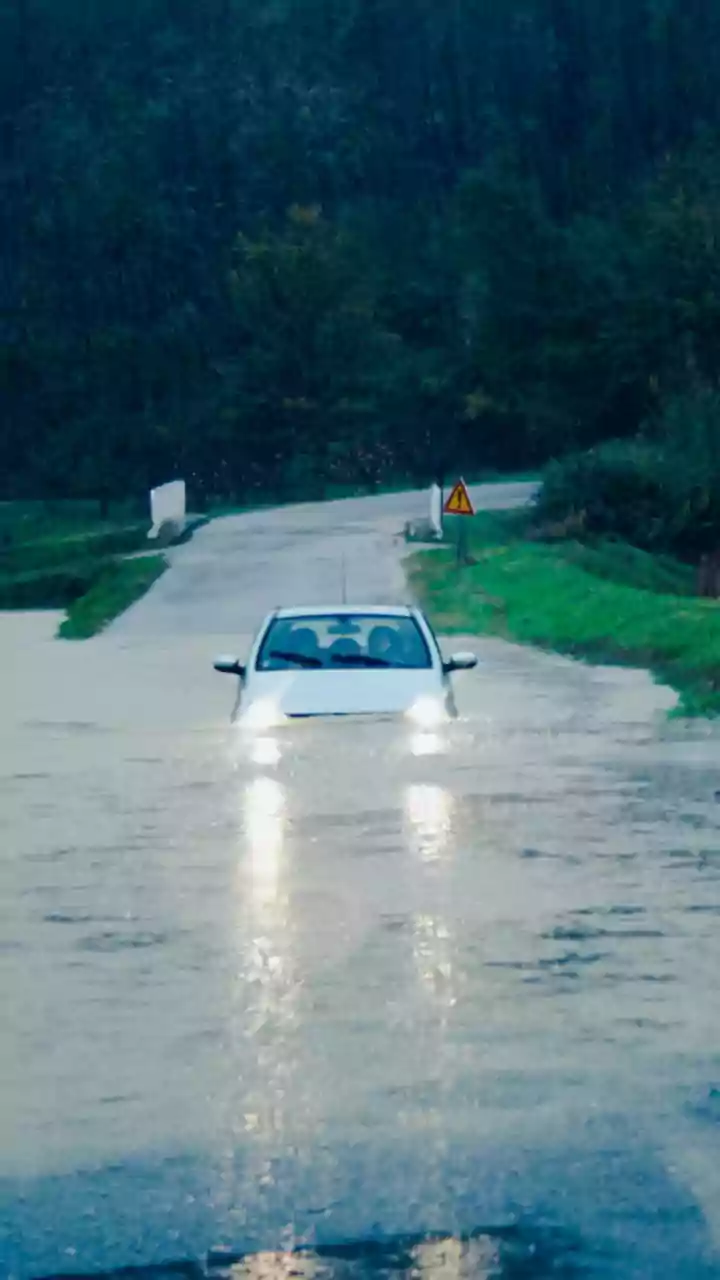
Waterlogging is a major monsoon hazard. Never drive into standing water if you can't tell how deep it is or see the road surface underneath. It can conceal massive potholes, open manholes, or other debris that could severely damage your car or leave you stranded. If you must proceed, watch other vehicles to gauge the depth. Drive slowly and steadily in a low gear to keep your engine RPMs high, which helps prevent water from entering the exhaust pipe. Avoid creating a large bow wave, as this can flood your engine's air intake. After exiting the water, gently tap your brakes a few times to dry them out.
6. Drive Defensively for Everyone's Safety
Rainy conditions make other road users—especially two-wheelers and pedestrians—behave unpredictably. Bikers may swerve suddenly to avoid puddles, and pedestrians might dash across the road with their heads down. Anticipate these actions. Scan the road far ahead and be prepared for anything. Be extra cautious at intersections and blind spots. A patient, defensive mindset is your best asset when visibility is poor and the roads are shared by cars, bikes, autos, and people all trying to get out of the rain.
7. Know When to Stop
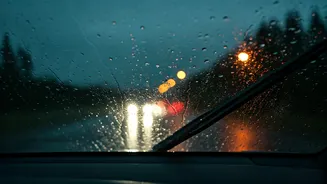
Sometimes, the safest decision is to not drive at all. If the rain is so heavy that your wipers can't keep up or you can't see the edges of the road or vehicles ahead, it's time to pull over. Find a safe spot like a petrol pump or a designated lay-by, away from trees and power lines. Do not stop under an overpass or in a lane of traffic, as this can cause a pile-up. Turn on your hazard lights and wait for the worst of the storm to pass. No destination is more important than your safety.