


The Monsoon's Deceptive Bounty
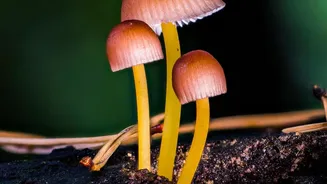
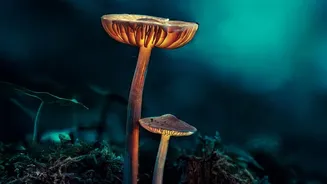
As the monsoon season progresses, forests, fields, and even roadsides come alive with a diverse array of wild mushrooms. For many, these seasonal delicacies are a culinary highlight. However, the same conditions that allow edible varieties to flourish
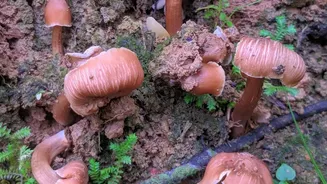
also encourage the growth of highly toxic ones. The problem is that many poisonous mushrooms look strikingly similar to their edible counterparts, a classic case of dangerous misidentification. Even experienced foragers can make mistakes, and with changing climatic conditions, some mushrooms traditionally considered safe may develop harmful toxins. This makes purchasing from unknown roadside vendors or casual sellers a significant risk.
Poisonous Imposters: The Look-Alike Problem
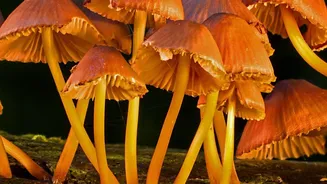
One of the greatest dangers lies with toxic “look-alikes.” For instance, the deadly Death Cap (Amanita phalloides), responsible for the majority of fatal mushroom poisonings worldwide, can be mistaken for the edible Paddy Straw mushroom. Similarly, the toxic Chlorophyllum molybdites is often confused with safe varieties that grow in the rainy season. There are many myths about how to identify poisonous mushrooms, such as believing that all toxic fungi are brightly coloured, have an unpleasant smell, or that cooking or boiling removes the poison. These are dangerously false. Toxins in the most lethal mushrooms are heat-stable and cannot be neutralized by cooking, freezing, or drying.
Recognising the Symptoms of Poisoning
Mushroom poisoning, or mycetism, can manifest in various ways depending on the toxin ingested. Symptoms can appear anywhere from 20 minutes to 24 hours after consumption. The most common initial signs are gastrointestinal issues like nausea, severe abdominal pain, vomiting, and diarrhoea. Some toxins, like muscarine, can cause sweating, visual disturbances, and a drop in blood pressure within 30 minutes. However, the most dangerous poisonings, like those from the Amanita family, have a deceptive latent period. After the initial gastrointestinal phase, a person might feel better for a day or two before the toxins begin to cause catastrophic liver and kidney failure, which can lead to a coma and death.
Common Toxic Mushrooms in India
While there are hundreds of mushroom species in India, a few toxic ones are repeatedly responsible for poisonings. The Amanita family, including the infamous Death Cap, is a primary concern. Other dangerous species reported in India include Chlorophyllum molybdites, Omphalotus olevascens, and various species of Gyromitra, Lepiota, and Galerina. Without proper botanical identification, it is impossible for a layperson to distinguish these from safe varieties. Reports from across the country, particularly during the monsoon months from May to October, show a spike in hospitalisations and even fatalities due to the consumption of wild mushrooms.
Your Guide to Buying Mushrooms Safely
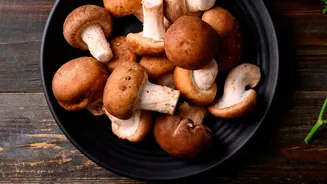
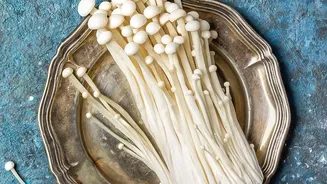
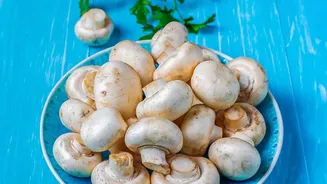
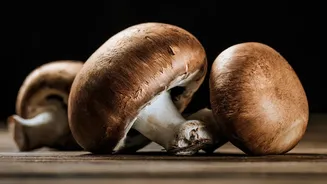
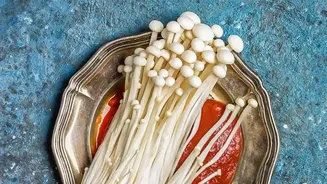
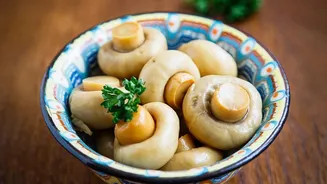
The only way to enjoy mushrooms without risk is to be absolutely certain of their source. The safest rule is to never consume wild mushrooms unless their identity is confirmed by a mycologist or expert. When purchasing, always buy from a reputable source like a supermarket or a trusted grocer that sells commercially cultivated mushrooms. Common cultivated varieties like button, oyster, and shiitake are safe to eat. When buying, inspect the mushrooms to ensure they are fresh, firm, and whole, without signs of decay or insect damage. If you are interested in trying more exotic varieties like Himalayan guchhi, ensure you are buying from a vendor who can verify its authenticity and provenance.