
The Green Wave in Urban Cafes
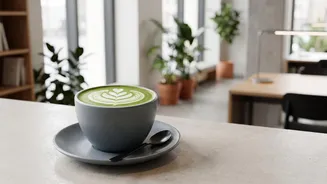
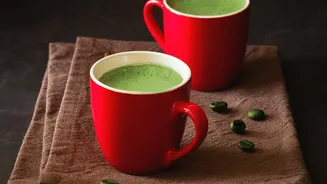
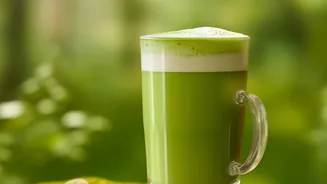
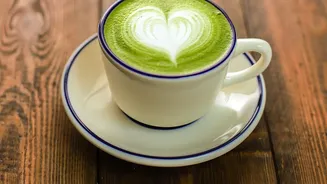
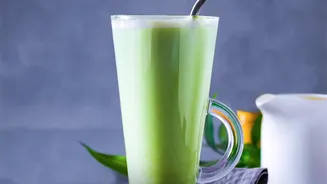
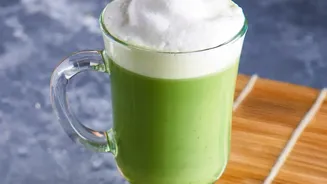
Walk into a cafe in Bengaluru, Mumbai, or Delhi, and you’re likely to see the striking green hue of a matcha latte on multiple tables. Once a niche beverage confined to wellness circles, matcha has rapidly entered the mainstream, with its popularity among
millennials and Gen Z driving its expansion. This isn't just a fleeting social media fad; it reflects a deeper change in consumer habits. The demand for healthier, aesthetically pleasing, and functional beverages is reshaping cafe menus, where matcha is now a staple. Google Trends data shows this surge in interest, with searches in India for “how to make matcha” skyrocketing by 1,300% over the past year, indicating the trend is moving from cafes into home kitchens.
Not Just Another Cup of Tea
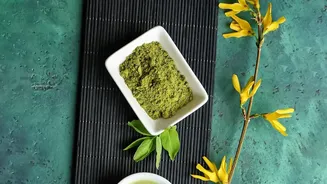
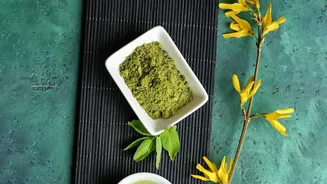
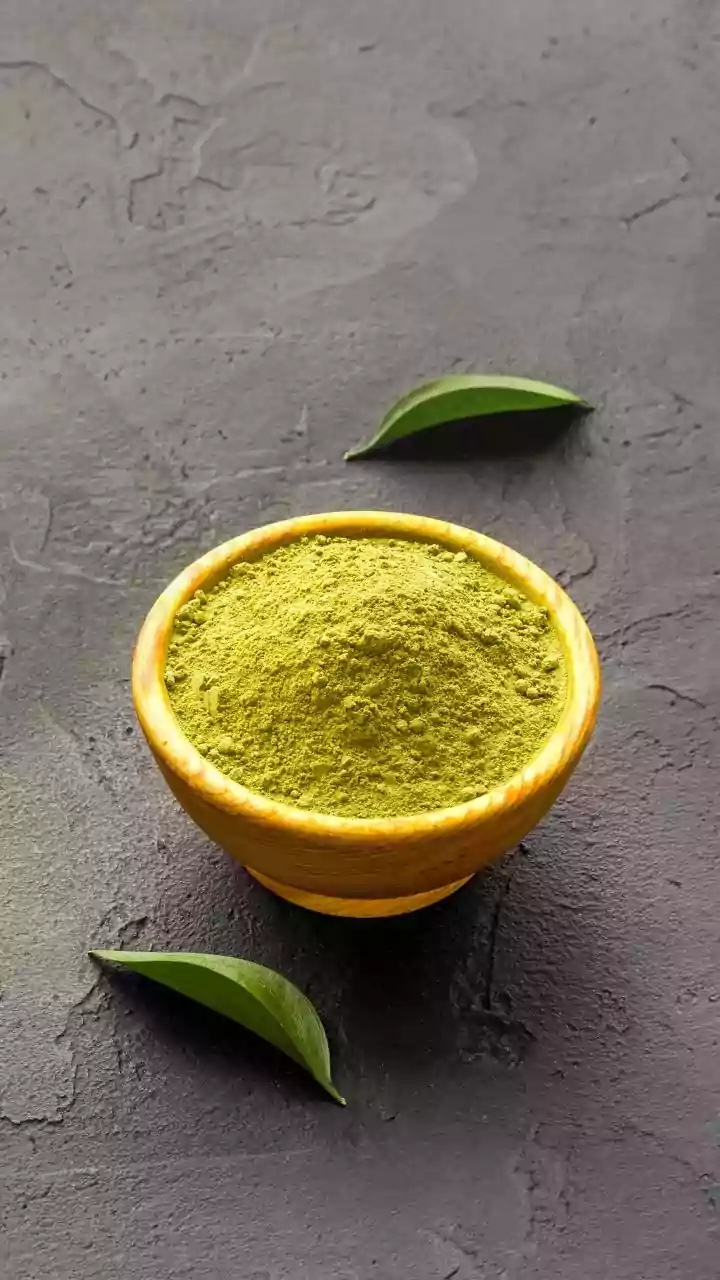
So, what exactly is matcha? Unlike regular green tea, where you steep and discard the leaves, matcha is made by grinding specially grown tea leaves into a fine powder. This means you consume the entire leaf, unlocking a more potent concentration of nutrients. The key to its unique effects lies in its chemical composition, particularly the synergy between its two main components: caffeine and an amino acid called L-theanine. While a typical serving of matcha has less caffeine than a cup of coffee, the way the body processes it is completely different. This distinction is at the heart of why so many are calling it a 'cleaner' source of energy.
The Science of a 'Cleaner' Buzz
The term 'clean energy' points to matcha's ability to provide a sustained boost without the notorious side effects of other caffeinated drinks. The hero ingredient here is L-theanine. This amino acid promotes the production of alpha waves in the brain, which are associated with a state of 'calm alertness' similar to meditation. L-theanine also slows the body's absorption of caffeine. Instead of the sudden jolt and subsequent crash common with coffee, matcha delivers a gentle, extended energy release that can last for four to six hours. For a generation actively seeking to manage anxiety and stress, this promise of focus without the jitters is a significant draw.
A Ritual of Mindfulness
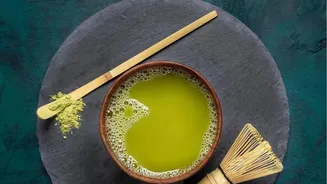
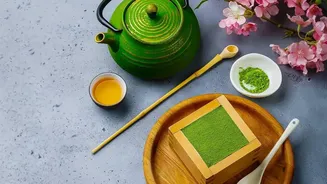
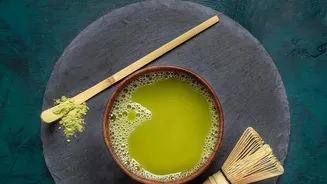
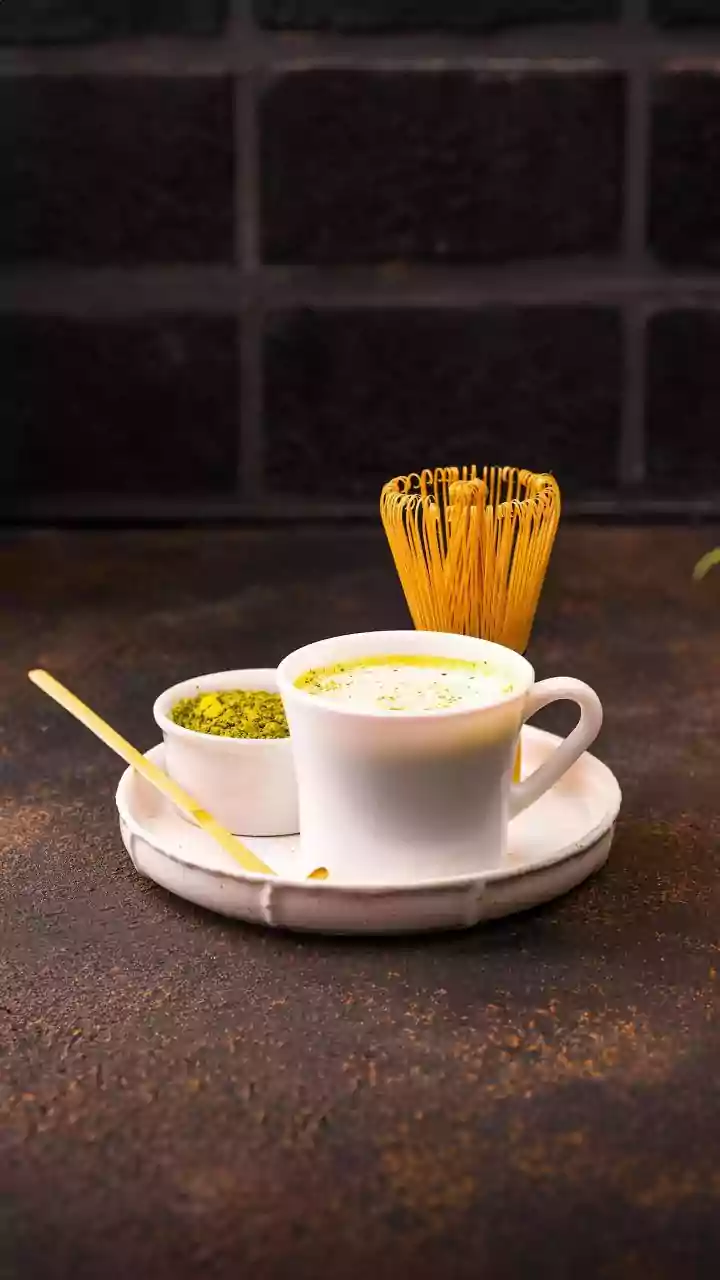
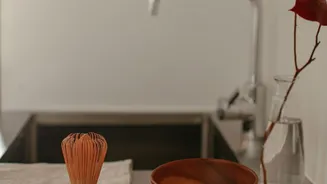
The appeal of matcha extends beyond its physiological effects. For many, the preparation itself is a valued ritual. The act of whisking the vibrant green powder requires presence and attention, offering a moment of mindfulness in an otherwise hectic day. This ceremonial aspect resonates deeply with a younger demographic that increasingly values experiences and self-care routines. Furthermore, its bright, photogenic colour has made it a social media star, perfectly aligning with the visual culture of platforms like Instagram and TikTok, where the #MatchaLatte aesthetic has become a lifestyle marker. It signals wellness, intention, and a connection to a global trend.
Is It Worth the Hype?
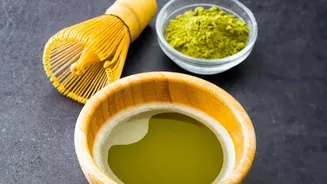
While the benefits are compelling, quality and preparation matter. Most cafes in India serve matcha as a sweetened latte, which can sometimes mask the quality of the powder and add significant amounts of sugar. True matcha has a complex flavour profile that is umami, vegetal, and slightly sweet. As the trend grows, consumers are becoming more discerning, with rising searches for matcha whisks and bowls suggesting a move towards traditional preparation at home. Whether enjoyed as a creamy latte or prepared traditionally with water, matcha's versatility allows for experimentation, with fruit-infused versions like mango and strawberry matcha also gaining popularity.