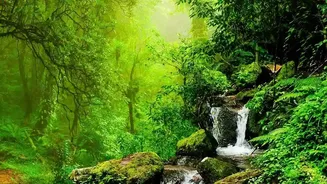




Forget expensive tour packages. Chhattisgarh’s breathtaking waterfalls are best explored like a local. This four-day itinerary shows you how to navigate the beautiful Bastar region using its network of shared cabs for an authentic adventure.
Your Basecamp: Jagdalpur
Every great
Bastar adventure begins in Jagdalpur, the region's primary town. It's the hub from which all roads to the major waterfalls and national parks fan out. You can reach Jagdalpur via an overnight bus from major cities like Raipur and Visakhapatnam, or by train. The city even has a small airport with connections to Raipur and Hyderabad, making access easier than ever. Before you set out, get accustomed to the local mode of transport: shared jeeps and cabs. While you can hire a private car, these shared vehicles are the lifeline for locals and a budget-friendly way to travel between key points. Just be prepared for a journey that values experience over strict schedules.
Day 1: India's Niagara, Chitrakote Falls
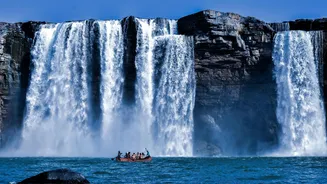
On your first day, settle into your hotel in Jagdalpur and then make your way to the magnificent Chitrakote Falls, often called the 'Niagara of India'. Located about 38-40 km west of the city, this is the widest waterfall in the country, especially during the monsoon season. Shared cabs and local buses frequently ply the route between Jagdalpur and Chitrakote. The journey itself offers a glimpse into the rustic countryside. Spend the afternoon taking in the sheer scale of the falls from various viewpoints. You can even take a boat ride in the pool below when the water levels are safe. As the day ends, head back to Jagdalpur to rest up for the next leg of your journey.
Day 2: The Terraced Beauty of Tirathgarh
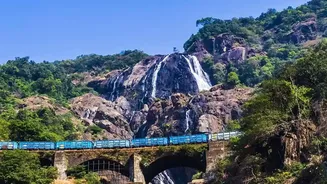
Day two is for exploring Tirathgarh Falls, a stunning tiered cascade that drops 300 feet amidst the lush greenery of Kanger Valley National Park. Situated about 35 km from Jagdalpur, the journey there is a scenic drive through the forest. You can find local transport heading towards the park, though hiring a taxi for a half-day might offer more flexibility. The falls split into multiple streams as they descend, creating a beautiful spectacle. You can walk down a series of steps to get closer to the different levels of the cascade. The area is also dotted with small shops run by local tribes selling handicrafts and snacks.
Day 3: Exploring Lesser-Known Gems
Today is about discovering the quieter, yet equally charming, waterfalls that lie close to the main tourist trail. Chitradhara and Tamra Ghoomar are two such spots. Chitradhara is located just 19 km from Jagdalpur on the way to Chitrakote, making it an easy stop. It’s a popular picnic spot for locals, especially during the monsoon. Tamra Ghoomar is a bit more off the beaten path, a powerful 100-foot cascade best seen during the rainy season. While shared transport to these specific falls can be infrequent, you can hire a local cab for a few hours to cover both. This allows you to experience the serene beauty of Bastar away from the larger crowds.
Day 4: Local Culture and Departure
Spend your final morning soaking in the local culture of Jagdalpur. Visit the weekly 'haat' (market) if your trip aligns, where you can see tribal communities trade everything from fresh produce to intricate 'dokra' (lost-wax casting) metal craft. The Bastar Palace and Danteshwari Temple offer a glimpse into the region's royal history. After a morning of exploration, you can begin your journey back, taking with you memories of powerful waterfalls and the vibrant spirit of Bastar. Regular buses connect Jagdalpur to major hubs for your onward travel.
Tips for Your Waterfall Tour
To make the most of your trip, keep a few things in mind. The best time to visit is from October to February, right after the monsoon, when the waterfalls are full and the weather is pleasant. While monsoon (July-September) offers the most dramatic views, heavy rains can sometimes disrupt travel. Always carry cash, as ATMs can be scarce outside of Jagdalpur. Finally, be flexible. Local transport doesn't always run on a strict schedule, but the wait is part of the adventure in this incredible, less-travelled part of India.