


The Post-Rain Humidity Trap
That stuffy, damp feeling that follows a rain shower isn't just in your imagination. When it rains, a massive amount of moisture is released into the atmosphere. As the rain stops, this water begins to evaporate from the ground, pavement, and foliage,
causing the relative humidity of the surrounding air to spike. This moisture-laden air then finds its way into your home through natural ventilation, tiny cracks, and even by permeating building materials. Your house, which normally allows indoor moisture to escape, suddenly can't because the air outside is even more saturated. This traps the humidity indoors, creating a lingering, uncomfortable environment long after the last drop has fallen.
How Humidity Hijacks Your Sleep
High humidity directly interferes with your body's ability to rest and recover. Your body’s primary cooling mechanism is sweating; as sweat evaporates from your skin, it releases heat. But when the air is already saturated with moisture (above 50-60% humidity), sweat cannot evaporate efficiently. This leaves you feeling sticky, hot, and restless, leading to frequent tossing and turning. This disruption can reduce the time you spend in the most restorative stages of sleep, like REM and deep NREM sleep. Furthermore, humid conditions are a breeding ground for allergens like dust mites and mold, which can thrive in damp mattresses and bedding, potentially causing congestion and breathing difficulties that further fragment your sleep.
Take Control of Your Air
To combat post-rain stuffiness, the goal is to lower your bedroom's relative humidity to the ideal range for sleeping, which experts agree is between 40% and 60%. Anything above 60% can feel uncomfortable and promote allergen growth, while air that's too dry can cause throat and skin irritation. An inexpensive device called a hygrometer can give you an accurate reading of your room's humidity level, allowing you to take targeted action. Knowing your starting point is the first step toward creating a sleep environment that feels crisp and comfortable rather than damp and oppressive.
Master Your Ventilation
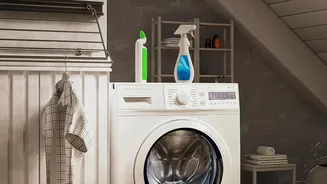
While it may seem counterintuitive to open a window after it has rained, strategic ventilation is crucial. The key is to wait until the outdoor humidity has dropped below your indoor level. Using fans is a more immediate solution. Ceiling fans or standing fans don't lower humidity, but they improve air circulation, which helps sweat evaporate from your skin and makes the room feel cooler. For targeted moisture removal, use exhaust fans in bathrooms and kitchens to pull damp air directly out of your home. If you must dry laundry indoors, avoid doing so in your bedroom, as this can dramatically increase the room's moisture load.
The Power of Dehumidifiers and DIY Fixes
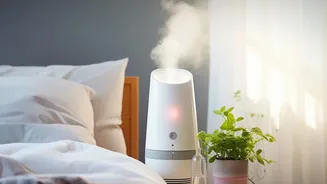
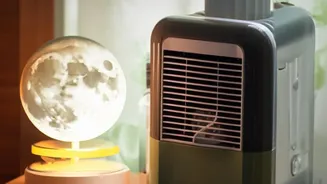
The most effective tool for tackling high humidity is an electric dehumidifier, which actively pulls moisture from the air. Your air conditioner also functions as a dehumidifier, so running it can provide significant relief. For those without these appliances, there are several low-cost, natural methods. Placing bowls of rock salt, baking soda, or charcoal in damp areas can help absorb ambient moisture. While not as powerful as a machine, these desiccants can make a noticeable difference in smaller spaces like closets or bathrooms where dampness accumulates.
Choose Your Fabrics Wisely
The materials you surround yourself with at night play a big role in your comfort. Opt for sleepwear and bedsheets made from lightweight, breathable fabrics like cotton, linen, or bamboo. These materials allow for better airflow and wick moisture away from your skin, helping you stay cooler and drier throughout the night. Avoid synthetic fabrics like polyester or heavy flannel, which can trap heat and moisture, exacerbating the sticky feeling caused by high humidity. Making this simple switch can significantly enhance your comfort on a muggy night.