




Plan Your Menu Realistically
The first step to controlling portions begins before you even start cooking. While the desire to offer a lavish spread is strong, a well-curated menu is more impressive than an excessive one. Instead of ten different dishes, focus on five or six standout
preparations that complement each other. Plan your menu based on a realistic guest count; it's a common practice in Indian households to have an approximate idea of visitors. Having a theme, whether it's regional cuisine or a mix of traditional and modern, can also help streamline your choices and prevent over-catering.
Shop with a Clear List
Once your menu is set, make a detailed shopping list and stick to it. Resisting impulse buys and 'special offers' on perishable goods is crucial for preventing waste. Before heading out, check your pantry and fridge for ingredients you already have. Buying items like vegetables, paneer, and milk in measured quantities rather than in bulk ensures freshness and reduces the likelihood of having unused produce left over after the festivities. This mindful approach to shopping prevents your kitchen from becoming a storage unit for ingredients you won't use.
The Art of Smart Serving
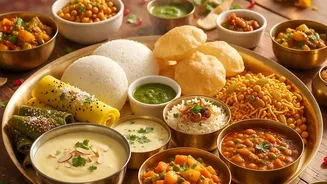
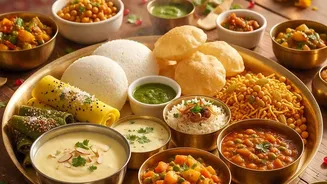
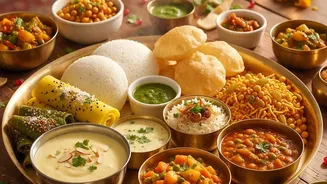
How you serve food is as important as how much you cook. Instead of placing large platters on the table, opt for smaller serving bowls that can be refilled as needed. This strategy not only keeps the food looking fresh and appealing but also gives you a better handle on consumption rates. It prevents the scenario where large amounts of food sit out for hours, becoming less appetizing and eventually going to waste. This approach is about redefining abundance; a generous table is one that is thoughtfully presented, not necessarily overloaded.
Encourage Mindful Plating
Gently encourage your guests to start with smaller portions. A friendly 'please feel free to come back for seconds' is more welcoming than insisting they fill their plates. Using smaller plates and cutlery can also psychologically guide people to take less food initially. This practice significantly reduces plate waste, which is a major contributor to food surplus during gatherings. When guests serve themselves, they are more likely to take what they can finish, especially if they know they can always get more.
Embrace Creative Leftovers
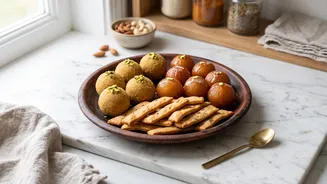
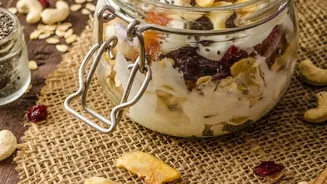
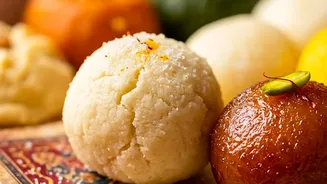
Despite the best planning, some leftovers are inevitable. Instead of seeing them as a burden, view them as an opportunity for creativity. Leftover mithai like motichoor ladoos can be crushed and layered with custard to create a new fusion dessert. Savoury items can also be repurposed; leftover chakli can be used as a crunchy base for a quick chaat. Examining your sweets and snacks to ensure they are still fresh is the first step before transforming them into something new and exciting for the post-Diwali days. This not only prevents waste but also extends the festive flavours.
Rethink Your Gifting Strategy
Food gifts are a cornerstone of Diwali, but oversized boxes of sweets often contribute to the problem of surplus. Consider gifting smaller, high-quality mithai boxes or thoughtful homemade treats. Another excellent option is to gift non-perishable items like decorative diyas, organic teas, or high-quality dry fruits. This ensures your gift is appreciated and used rather than being passed along or left uneaten. A thoughtful gift shows care without adding to the recipient's potential food overload.