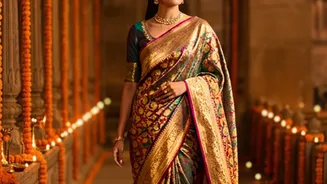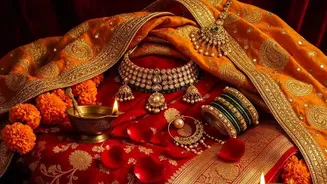


For generations, heavy gold jewellery was reserved for weddings and festivals, stored safely in lockers. Today, young Indians are breaking the rules, pairing traditional jhumkas and necklaces with casual denims. What's behind this shift?
From the Locker to a Lifestyle
There was a time,
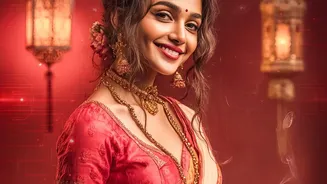
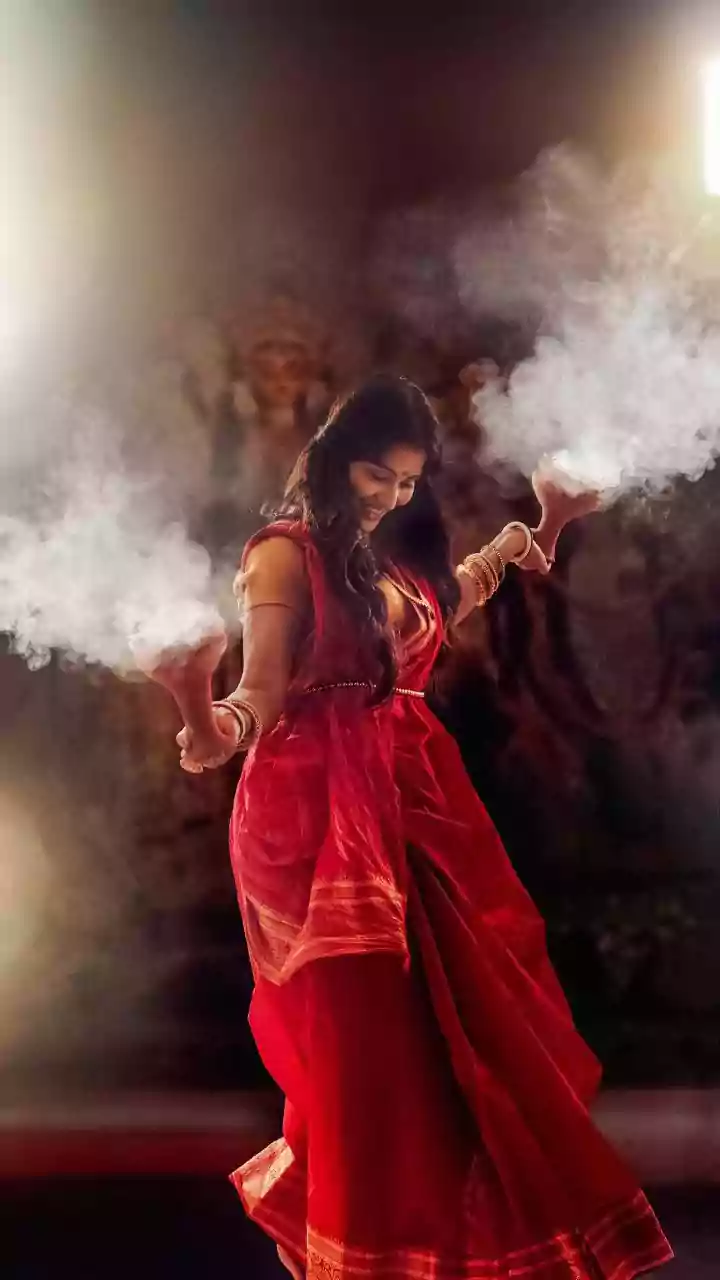
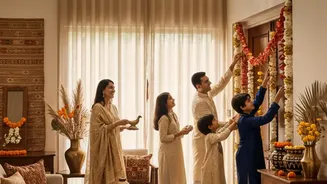
not long ago, when gold jewellery in an Indian household had a specific, almost ceremonial, purpose. It was a symbol of wealth, security, and tradition, brought out only for the most special of occasions. Heavy necklaces, intricate bangles, and elaborate earrings would see the light of day during weddings or major festivals like Diwali, only to be returned to the dark confines of a bank locker. This tradition created a clear line: daily wear was simple and functional, while festive wear was opulent and occasional. But for a growing number of young Indians, that line is becoming beautifully blurred. They are rewriting the rules, viewing their heritage pieces not as stored assets but as active parts of their personal style. The idea of saving a gorgeous Kundan necklace for a wedding that might be months away feels outdated; why not wear it with a crisp white shirt for a brunch this weekend?
A Mix of Identity and Individuality
This trend is more than just a fashion statement; it's a reflection of a deeper cultural shift. For Gen Z and young millennials, identity is fluid and multifaceted. They are global citizens who are also fiercely proud of their Indian roots. Mixing a traditional gold piece with a pair of jeans is a visual representation of this hybrid identity. It’s a way of saying, 'I can be modern and traditional at the same time'. This generation prioritizes self-expression over conforming to old norms. They are less concerned with the 'right' way to wear something and more interested in what feels authentic to them. Social media has played a huge role, with influencers showcasing how to style ethnic pieces in contemporary ways, turning tradition into a trend. A saree with sneakers or a heavy silver necklace with a t-shirt is no longer a strange combination but a confident expression of personal style.
The Rise of Everyday Opulence
The motivation also stems from a practical and sustainable mindset. Young consumers are moving away from the idea of buying outfits or accessories for a single event. They want versatility and value, preferring to invest in pieces that can be worn multiple times in multiple ways. Wearing festive jewellery daily gives them more value from their expensive heirlooms and purchases. This approach also redefines luxury. Instead of being about overt displays of wealth, luxury is becoming more personal and integrated into daily life. It’s the small joy of wearing a beautiful, meaningful piece that connects you to your heritage, even on a regular Tuesday. Jewellery is no longer just for milestones; it’s part of the everyday narrative. This has led to a rise in what is called 'bridge jewellery'—high-quality, designer pieces that are more accessible than fine jewellery but more durable and artistic than costume pieces.
How to Style the Look
Pulling off this fusion look is about balance. The key is to let one piece be the hero. A statement Polki or Meenakari necklace, for example, pairs beautifully with a simple, monochrome dress or even a tailored pantsuit. Elaborate jhumkas or chandbalis can elevate a casual jeans-and-blouse combination, adding a touch of instant elegance. Many are ditching belts and using traditional kamarbands to cinch Western-style dresses, adding definition and a unique ethnic touch. The trick is to avoid overpowering the look. If you're wearing a heavy necklace, it's often best to opt for smaller, more subtle earrings. This mix-and match approach allows for endless creativity, making fashion a playground for cultural expression.
The Industry Is Taking Notice
Jewellery designers and brands have been quick to respond to this evolving taste. Many are now creating collections that are specifically designed for versatility. They focus on lightweight gold, modern silhouettes, and designs that blend traditional craftsmanship with contemporary aesthetics. Designers like Bhavya Ramesh are known for an 'ethnic punk' style, re ever imagining traditional motifs for a modern audience, while brands like Amrapali have long celebrated heritage with a global appeal. The focus is on creating wearable art that feels relevant to today's lifestyle. These pieces are not meant to be hidden away but to be lived in, layered, and loved daily, proving that the most precious heirlooms are the ones that become part of your story.