




The Heartbeat of the Indian Kitchen
For millions across India and the diaspora, the sound of spices crackling in hot fat is not just a step in a recipe; it is a multi-sensory announcement that a meal is nearing its delicious completion. This technique, known as tadka, tarka, chhaunk, or vaghar
depending on the region, is the foundational pillar of Indian cuisine. It’s the final, transformative touch that elevates a simple lentil soup, a vegetable stir-fry, or a bowl of yoghurt from mundane to magnificent. It's the difference between food that merely nourishes and food that comforts, that tells a story of place and tradition. Before you even taste the food, the aroma of a well-made tadka has already set the stage, promising a depth of flavour that awakens the appetite and warms the soul.
What Exactly Is Tadka?
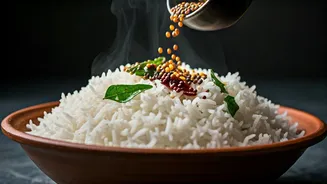
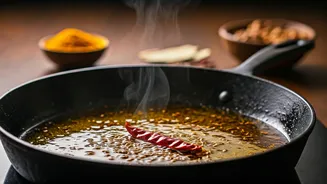
At its core, tadka is the process of tempering spices in hot fat, typically ghee or oil. Whole spices, ground spices, and aromatics like ginger, garlic, chillies, and onions are briefly fried until they release their essential oils and deep, nuanced flavours. This fragrant, infused fat is then poured over a prepared dish, instantly infusing it with a complex layer of aroma and taste. Unlike the Western approach of building flavour at the beginning with a mirepoix, tadka is often added at the end. This ensures its volatile aromatic compounds are fresh and potent when the dish is served, hitting the senses with maximum impact. It’s a technique of pure alchemy, turning the dusty, dormant potential of a spice jar into a living, breathing component of a meal.
The Simple Science of Flavour
The magic of tadka is firmly rooted in kitchen science. Many of the flavour compounds in spices like cumin, coriander, and turmeric are fat-soluble, meaning they only release their full potential when they interact with hot oil or ghee. Boiling them in water simply won’t produce the same result. The heat of the fat coaxes these oils out, allowing them to bloom and toast, creating new, more complex flavours through processes like the Maillard reaction. This is why a tadka of cumin seeds smells so different—so much nuttier and more profound—than raw cumin powder. The fat also acts as a perfect delivery vehicle, evenly distributing these newly unlocked flavours throughout the entire dish, ensuring every spoonful is as delicious as the last.
A Journey Across India
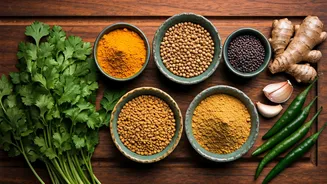
While the principle remains the same, the ingredients of a tadka vary dramatically across India, painting a flavour map of the subcontinent. In the South, a classic tadka might feature black mustard seeds, urad dal, dried red chillies, and fragrant curry leaves, offering a symphony of popping sounds and earthy aromas. Travel east to Bengal, and you might find the distinctive five-spice blend known as panch phoron, containing fenugreek, nigella, cumin, fennel, and mustard seeds. In the North, a simple but powerful tadka for dal often involves ghee, cumin seeds (jeera), and a pinch of asafoetida (hing), sometimes finished with a touch of red chilli powder for colour and heat. Each variation is perfectly adapted to its regional palate, proving the versatility and universal importance of this single technique.
Mastering Your Own Tadka
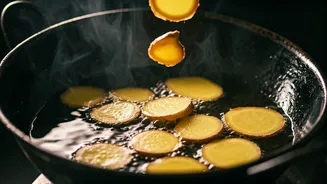
Perfecting your tadka is a rite of passage for any home cook. The key is preparation and timing—it all happens very fast. Have all your ingredients ready before you heat the pan. Use a small, dedicated pan (a tadka pan) if you have one, as its shape helps concentrate the heat. Get your fat hot enough that whole seeds sizzle and pop the moment they hit the pan. Generally, add whole spices first, followed by aromatics like ginger or garlic, and finally, delicate ground spices which can burn quickly. Your nose is your best guide: when the kitchen is filled with an irresistible fragrance and the spices are toasted but not burnt, it’s ready. Pour it over your dish immediately to capture that sizzle and stop the cooking process.