






The Unspoken Commute-to-Event Ratio
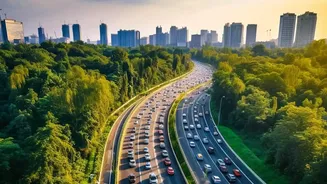
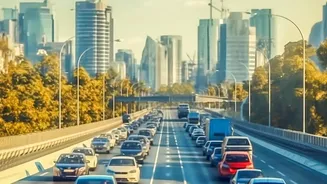
For many urban professionals in India, the daily commute is a significant part of life. In cities like Bengaluru, Delhi, and Mumbai, travel times can easily stretch to an hour or more each way. This reality forces an unspoken calculation: the commute-to-event
ratio. When the travel time—say, a two-hour round trip—dwarfs the duration of the actual event, the entire proposition can feel inefficient and draining. This isn't just about the minutes on the clock; it's about the feeling that your precious free time is being consumed by traffic rather than meaningful activity. What should be a joyful or productive hour becomes overshadowed by the logistical burden required to get there and back, making you question if it’s worth the effort at all.
Beyond the Clock: The Hidden Costs of Travel
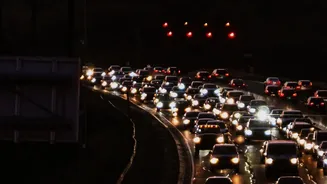
A long commute for a short event costs more than just time. Research consistently shows that commuting, especially in heavy traffic, is a major source of stress. This travel-induced fatigue can leave you feeling drained before you even arrive, and too exhausted to fully engage or enjoy the event. The frustration of unpredictable traffic, the mental load of navigation, and the physical discomfort of being stuck in a vehicle all contribute to what experts call commuting stress. This psychological toll means that by the time you reach your destination, you’ve already expended significant mental and emotional energy, diminishing the very joy or connection the event was meant to provide.
Creating Your 'Worth It' Framework
Deciding whether to attend isn't always easy, but creating a personal framework can help. Instead of making impulse decisions, consider a few key factors. First, evaluate the purpose. Is this a once-in-a-lifetime celebration for a loved one, or a casual networking event that happens frequently? The social or professional value matters. Second, consider the people. Will attending strengthen a key relationship or provide a rare chance to connect with someone important to you? Social bonding is a powerful motivator. Finally, assess the potential for joy and recovery. Will the event genuinely recharge you, or will the travel leave you more depleted? Answering these questions honestly allows you to perform a quick cost-benefit analysis that prioritizes your well-being.
Strategies to Reclaim Your Travel Time
If you decide an event is worth attending despite the commute, there are ways to make the travel more manageable. One effective strategy is 'event stacking'. If you have to travel to a particular area, try to schedule other errands or a coffee meeting nearby to make the trip more productive. Another approach is to reframe the commute itself. Instead of seeing it as wasted time, use it for activities you enjoy, like listening to an engaging podcast or an audiobook. You could also use the time for phone calls to catch up with friends or family, turning dead time into connection time. Shifting your travel schedule, if possible, to avoid the worst of peak hour can also dramatically reduce stress and travel duration.
The Power of Saying 'No' and Suggesting Alternatives
Sometimes, the most effective strategy is learning to decline invitations without guilt. Protecting your time and energy is a valid form of self-care. It's perfectly acceptable to explain that the travel time makes it unfeasible on a busy day. In many cases, you can also propose an alternative. Suggest meeting the person at a location that’s more convenient for both of you on a different day. Or, if it’s a group event, perhaps you can join for a portion of it virtually if that's an option. Being honest about your capacity and proactive in finding other ways to connect shows that you value the relationship, even if you can't make it to that specific event. This empowers you to maintain social ties without succumbing to the burnout of constant travel.