




More Than a Passing Trend
Forget the kale smoothies and quinoa bowls that dominated wellness conversations for the last decade. A more profound, internally-driven food movement is taking hold across India. It’s not loud or flashy; it’s a quiet return to an ancient way of eating
known as the Sattvik diet. Far from being a restrictive regimen, it's a holistic philosophy aimed at nourishing the body, mind, and spirit. This comeback isn't being driven by celebrity endorsements or global fads. Instead, it’s a grassroots rediscovery, bubbling up in home kitchens, specialised yoga retreats, and a few forward-thinking cafes that are prioritising ingredients that promote clarity, harmony, and well-being.
The Philosophy of Sattva
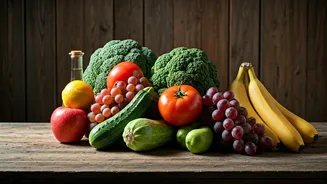
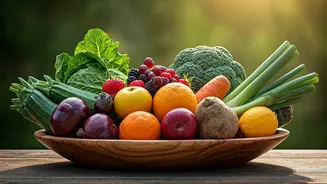
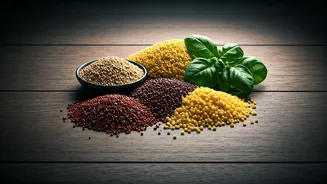
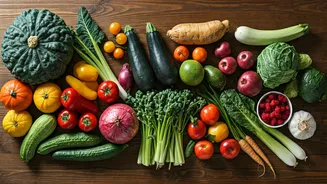
So, what exactly is Sattvik food? According to Ayurvedic and Yogic traditions, all of nature, including the food we eat, possesses three essential qualities or 'gunas': Sattva, Rajas, and Tamas. Tamasic foods (like stale, processed, or reheated items, as well as meat and alcohol) are believed to induce lethargy and dullness. Rajasic foods (overly spicy, salty, or stimulating foods like onions, garlic, and coffee) are thought to create restlessness and agitation. The Sattvik path lies in the middle. It champions foods that are pure, light, and full of life force, or 'prana'. Think fresh, seasonal fruits and vegetables, whole grains, legumes, nuts, seeds, and milk products like ghee and yoghurt. The food is simply prepared, minimally spiced, and eaten soon after being cooked. The goal is not just to feed the body, but to cultivate a calm, clear, and compassionate state of mind.
Eating with the Seasons
A crucial, often overlooked, element of the Sattvik diet is its emphasis on seasonality. This aligns with the Ayurvedic concept of 'Ritucharya', or a lifestyle that follows the rhythms of the seasons. Eating seasonally is not just about flavour; it's about consuming what nature provides at the precise time our bodies need it. In the scorching heat of summer, a Sattvik diet would favour cooling foods like cucumbers, melons, and coconut. As the monsoon arrives, it shifts to easily digestible, warm foods like moong dal and light vegetable stews to aid digestion when the body’s 'digestive fire' is weaker. In winter, the diet incorporates warming, energy-dense foods like root vegetables, nuts, and sesame to help the body stay warm and nourished. This intuitive approach connects us to our environment and ensures we receive the most potent nutrients from our food.
The Appeal in a Hectic World
The quiet resurgence of Sattvik principles is a direct response to the anxieties of modern life. In a world defined by constant stimulation, information overload, and high-stress lifestyles, the promise of a diet that calms the nervous system and clarifies the mind is incredibly appealing. After the global pandemic sharpened our focus on immunity and mental health, many are looking past quick fixes and towards sustainable, long-term wellness practices. Sattvik eating offers just that. It's a form of self-care that feels authentic and rooted in our own cultural wisdom. For a generation grappling with climate anxiety, its focus on local, seasonal produce also aligns perfectly with the principles of sustainability and mindful consumption.
Finding Sattva in Modern India
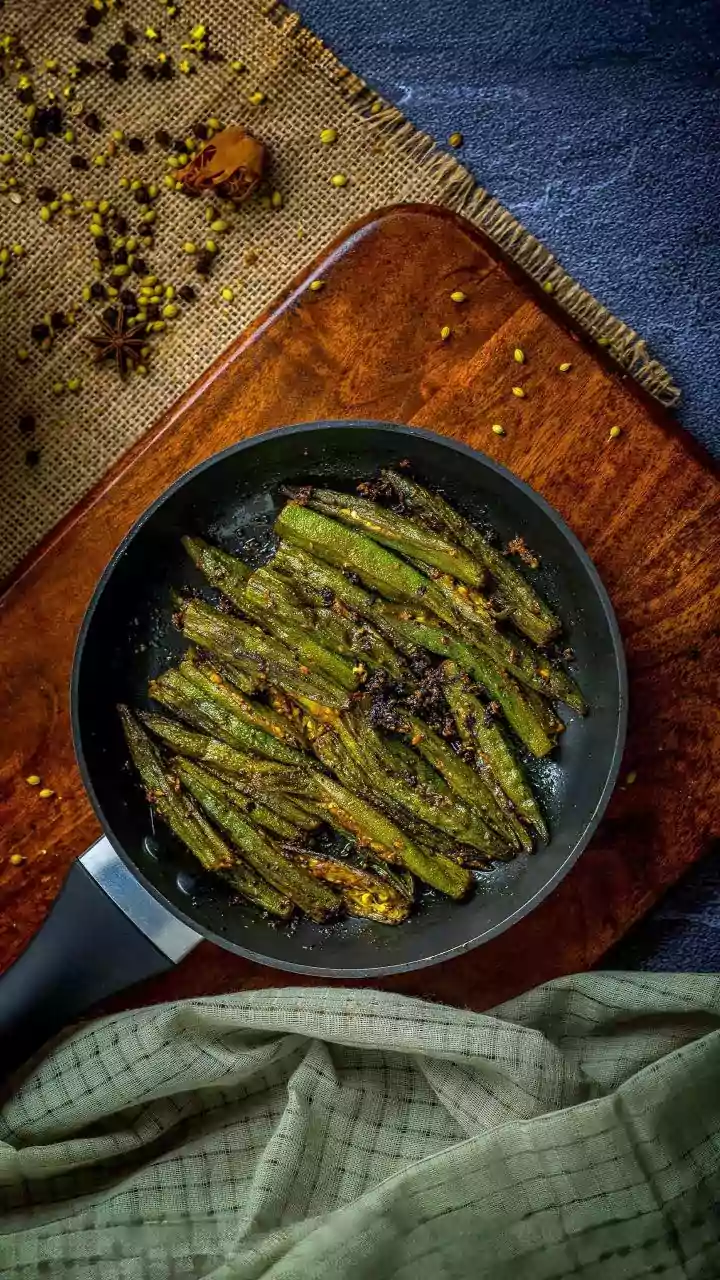
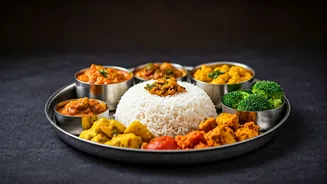
This isn't about retreating to an ashram. The new wave of Sattvik eating is practical and accessible. It’s being embraced by home cooks who are rediscovering their grandmothers' recipes for simple, seasonal dals and sabzis. It’s appearing in wellness-focused cafes that serve vibrant, light thalis without onion or garlic. Health-conscious urbanites are seeking out delivery services that provide fresh, Sattvik-compliant meals. The modern interpretation isn’t about rigid dogma but about incorporating the principles into daily life. It might mean starting the day with fresh fruit instead of coffee, choosing a simple dal-rice for lunch, or simply paying more attention to how different foods make you feel. It’s a personal journey toward balance, one mindful meal at a time.