




The Gentle Art of Steaming
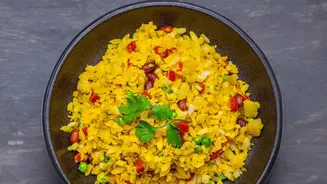
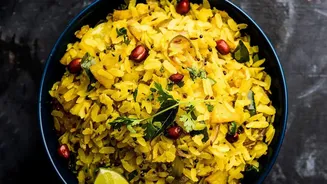
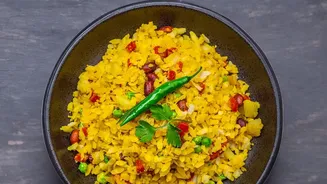
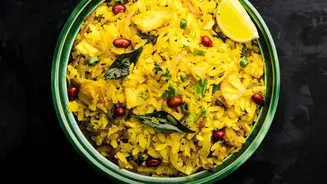
The first and most fundamental difference lies in the preparation method. While many regional variations, like Maharashtra's Kanda Poha, involve sautéing the rinsed flattened rice directly in a pan with other ingredients, Indori poha is steamed. After
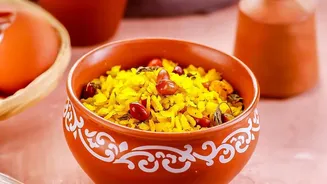
a quick rinse, the poha is mixed with basic spices and then gently steamed, often in a colander placed over a pot of simmering water. This technique prevents the flakes from becoming greasy or clumpy. The result is exceptionally soft, fluffy, and separate grains that are light and airy, creating a melt-in-the-mouth texture that other methods struggle to replicate.
The Soul of the Dish: Jeeravan Masala
If there is one ingredient that defines Indori poha, it is Jeeravan masala. This is not the same as garam masala or chaat masala; it's a unique and complex spice blend native to the Malwa region. Comprising up to 20 different spices, its typical profile includes roasted cumin, fennel seeds, black salt, dry mango powder (amchur), dried ginger, and chilli. Unlike other pohas that get their primary flavour from a simple tempering of mustard seeds and turmeric, Indori poha is finished with a generous sprinkle of this tangy, spicy, and deeply aromatic powder just before serving. This finishing touch provides the dish's signature 'khatta-meetha' (sweet and sour) and chatpata character.
A Symphony of Textures and Toppings
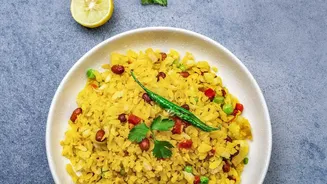
The final flourish is what transforms a simple plate of poha into an iconic street food experience. Indori poha is a masterclass in textural contrast. While other versions might be garnished with just coriander or grated coconut, the Indori style is a colourful and crunchy medley. Key toppings include finely chopped raw onions for a sharp bite, juicy pomegranate arils for a burst of sweetness, and fresh coriander. Most crucially, it's showered with a generous amount of sev, specifically a crispy chickpea flour noodle like Indori or Ratlami sev. This combination of soft poha, crisp sev, fresh onions, and sweet pomegranate creates a multi-layered bite that is absent in simpler preparations.
A Unique Flavor Profile
The taste profile of Indori poha is a carefully orchestrated balance of sweet, sour, and spicy. A little sugar is added to the poha itself, providing a subtle sweetness that is characteristic of the dish. This sweetness is complemented by the heat from green chilies in the tempering and the tang from both the Jeeravan masala and a final squeeze of lemon juice. Fennel seeds (saunf) are also often used in the tempering, adding a unique, mild anise-like sweetness that sets it apart from the onion-and-potato (kanda batata) dominated savoury flavours of its Maharashtrian counterpart.
More Than Just Breakfast
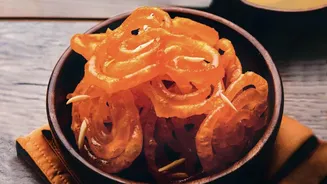
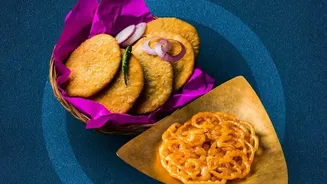
In Indore, poha is more than just a meal; it's a cultural identity. It’s the city's quintessential street food, famously paired with hot, crispy jalebis for a sweet and savoury breakfast combination that defines the local food scene. While poha is a staple across many Indian states like Maharashtra, Gujarat, and Karnataka, Indore has claimed this specific version as its own. Vendors keep it warm and moist by continuously steaming it in large vessels, ready to be served from morning till evening, cementing its status as an all-day snack and a beloved symbol of the city's culinary heritage.