

What Are Ultra-Processed Foods?
The term 'ultra-processed food,' or UPF, comes from the NOVA classification system, which categorizes foods by their level of industrial processing. Group 1 is unprocessed or minimally processed foods like fresh fruits, vegetables, eggs, and meat. Group 2
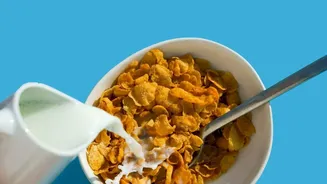
includes processed culinary ingredients like oils, salt, and sugar. Group 3 is processed foods, such as canned vegetables or simple breads, made by combining items from the first two groups. Group 4, the ultra-processed category, is different. These are industrial formulations made from substances extracted from foods (like protein isolates, modified starches, and hydrogenated oils) and synthetic additives designed to imitate sensory qualities. Think of sugary breakfast cereals, packaged snacks, frozen dinners, and soft drinks.
Beyond the 'Junk Food' Label
The key distinction of UPFs is that they often contain ingredients you wouldn't use in a home kitchen. These can include emulsifiers, thickeners, artificial flavors, and colors. The goal of this industrial processing is often to create convenient, highly palatable, and long-lasting products. This is why some mass-produced breads or yogurts can be classified as ultra-processed, while their homemade or traditionally made counterparts are not. The focus isn't just on the nutrients listed on the label, but on the disruption of the food's natural structure and the addition of industrial substances.
The Mounting Health Concerns
A large and consistent body of evidence now links high consumption of UPFs to a wide range of health problems. Convincing evidence shows a higher intake of UPFs is associated with an approximately 50% increased risk of cardiovascular disease-related death. Other studies have found significant links to a higher risk of heart attacks and strokes. The associations don't stop there. Highly suggestive evidence points to a greater risk of obesity, type 2 diabetes, depression, anxiety, and death from any cause for those who consume the most UPFs.
Why Are Scientists Concerned?
Researchers are investigating several potential mechanisms to explain these links. It's not just that UPFs are often high in unhealthy fats, sugar, and salt. Some scientists believe the processing itself is a problem. The physical structure of these foods is often broken down, which can lead to faster absorption, blood sugar spikes, and less satiety, encouraging overeating. Other theories focus on the impact of food additives on the gut microbiome, chronic inflammation throughout the body, and the displacement of more nutritious, whole foods from the diet.
A Practical Path Forward
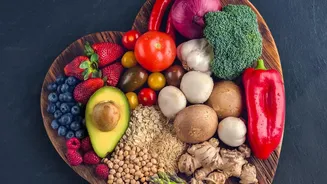
For most people, completely eliminating UPFs is unrealistic. The goal, according to many health experts, is awareness and reduction. Start by reading ingredient lists; if you see a long list of unfamiliar chemical names, it's likely a UPF. Simple swaps can make a big difference. Try replacing a sugary breakfast cereal with plain oatmeal and fruit, or mixing your own salad dressing instead of buying a bottled version. Cooking more meals at home from whole ingredients is one of the most effective ways to reduce your intake. The focus should be on building a dietary pattern based on whole and minimally processed foods, not on achieving perfection or vilifying single items.