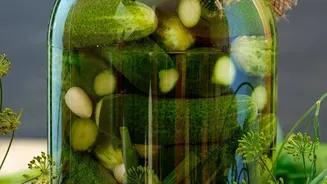

In India’s bustling cities, a quiet revolution is taking place on the dinner plate. Amid the global fast-food chains and modern cafés, a taste for something older, spicier, and deeply authentic is making a powerful comeback: the humble achar.
A Renaissance of Regional Tastes
The Indian
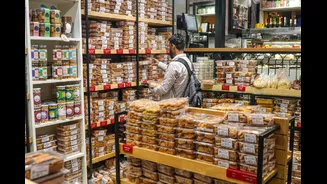
pickle market, valued at over ₹6,500 crores, is experiencing a flavourful resurgence. While mass-produced mango and lime pickles have long been staples, a growing wave of urban consumers is now seeking out the unique, hyperlocal varieties that tell a story of a specific region. This demand is fuelling a cottage industry of artisanal pickle makers who are reviving and bottling their family recipes. Data suggests the demand for regional and specialised foods in metropolitan areas is growing by 10-15% annually, signalling a significant shift in the urban palate. This isn't just about finding a condiment; it's a search for authenticity, a connection to heritage, and a rejection of the standardised tastes that dominate the modern food landscape.
From Family Kitchens to Booming Businesses
Many of these new enterprises began in home kitchens, driven by passion and heritage. Take the story of Krishna Yadav, who started her journey selling homemade pickles on a Delhi roadside with just ₹500. After receiving formal training in pickle-making to improve shelf life and taste, her venture, Shri Krishna Pickles, grew into an empire that now offers over 250 varieties and reportedly earns over ₹5 crore annually. Similarly, during the pandemic, many home cooks turned their treasured family recipes into businesses. Brands like Pickle Shickle in New Delhi celebrate their family's Coorgi and Burmese roots with unique offerings like pork pickle and a crispy onion-garlic chili oil. These entrepreneurs are not just selling a product; they are selling a narrative rooted in place and tradition, from the fiery 'Avakaya' of Andhra Pradesh to the sweet 'Chunda' of Gujarat.
What's Driving the Craze?
Several factors are contributing to this pickle renaissance. Firstly, there's a growing health consciousness. Consumers are increasingly wary of artificial preservatives and excess oil found in mass-market products. Artisanal pickles, often made using traditional methods like sun-drying and natural fermentation, are seen as a healthier choice. Many are rich in probiotics, which are beneficial for gut health. Secondly, there is a powerful element of nostalgia. For many city dwellers who grew up with their grandmothers' homemade pickles, these artisanal jars offer a comforting taste of home. In hectic urban lives, the time and skill required for traditional pickle-making have diminished, creating a ready market for high-quality, authentic alternatives. Lastly, in a world hungry for genuine experiences, the story behind the food matters. Knowing a pickle was made in small batches, using a generations-old recipe and locally sourced ingredients, adds a layer of value that a factory-produced jar cannot match.
A Tour of India in a Jar
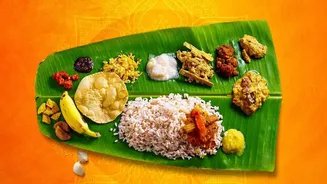
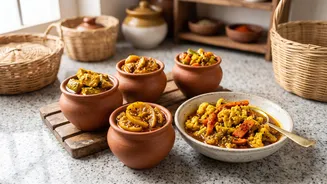
The sheer diversity of Indian pickles is a testament to the country's culinary landscape. Each region has its signature flavours, shaped by local ingredients and climate. In the south, you'll find the robust Gongura pickle, made from sour sorrel leaves, and the spicy prawn pickles of Kerala. Head west, and you might encounter the sweet and spicy Gujarati Chhundo or pickles made from ker sangri in Rajasthan. The Northeast offers unique ferments like bamboo shoot pickle, while the north is famous for its pungent mustard-oil based pickles. Artisans are also getting creative with non-traditional ingredients, crafting pickles from jackfruit, lotus stem, mushrooms, and even banana flowers, offering a modern twist on an ancient practice.