
The Philippines is an archipelago of undeniable beauty. But what happens when postcard-perfect views go viral? This guide looks past the filters at the country's most famous spots and the trade-offs that come with their popularity.
Boracay: Paradise with a Guest List
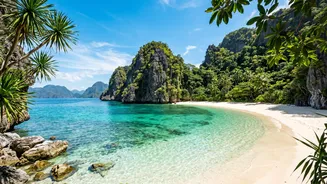
Boracay's White Beach
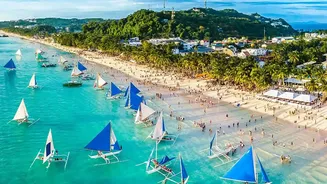
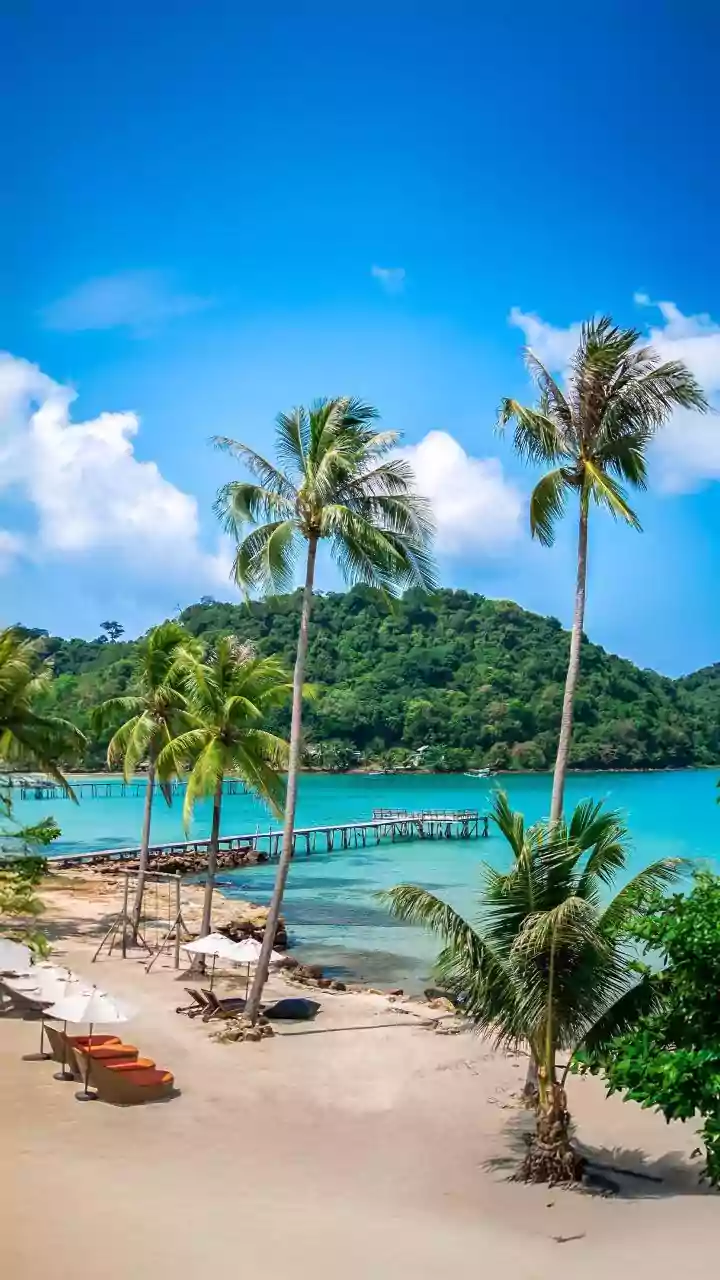
is the stuff of legends: four kilometers of sand so fine and white it feels like flour. Following a six-month environmental rehabilitation in 2018, the island is cleaner, with wider roads and stricter rules. The days of wild, unregulated beach parties are over. However, popularity is a stubborn thing. While a daily tourist cap is in place to manage numbers, the main stretches of White Beach can still feel intensely crowded, especially during peak seasons. The trade-off here is clear: you get world-class sand and stunningly clear water, but you'll be sharing it with thousands. Solitude is a rare commodity. Instead of jostling for a spot on Stations 1 or 2, consider a trip to the quieter Diniwid Beach just to the north, or explore the less-frequented Puka Beach, known for its crushed puka shells mixed in the sand.
El Nido: The Regimented Adventure
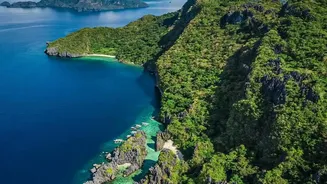
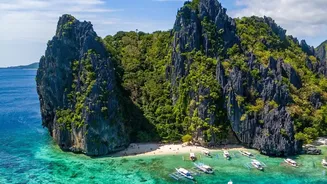
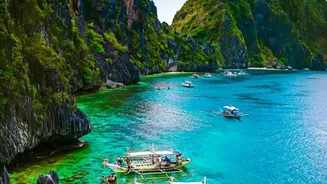
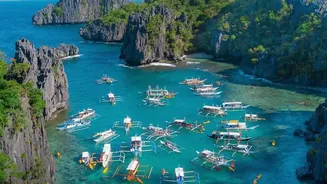
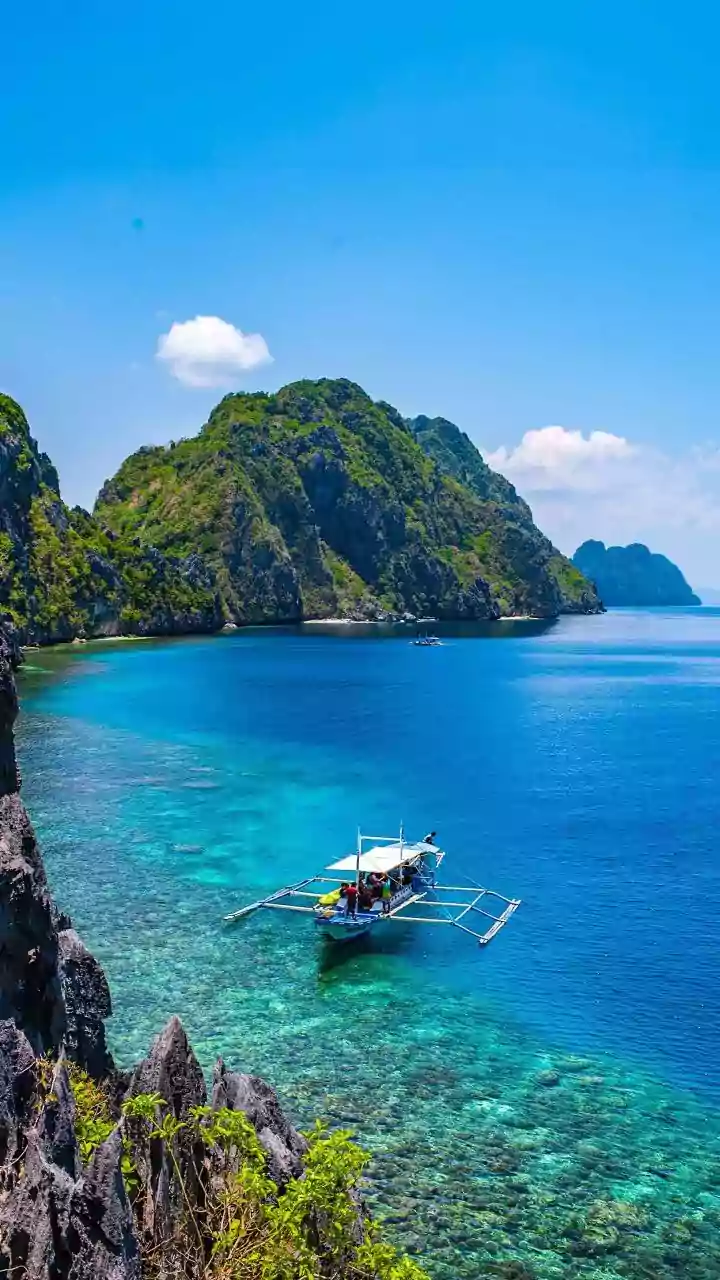
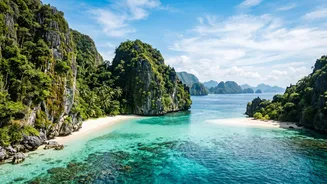
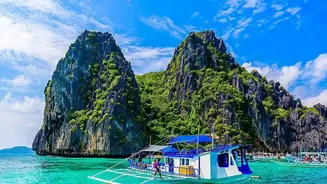
El Nido in Palawan is synonymous with breathtaking limestone cliffs plunging into turquoise lagoons. The catch? The experience is highly standardized. To protect the environment, the local government mandates that island hopping follows one of four set itineraries: Tour A, B, C, or D. Tour A, the most popular, takes you to the iconic Big Lagoon and Secret Lagoon. This means your 'discovery' is shared with dozens of other boats following the exact same route at the exact same time. The experience can sometimes feel less like exploration and more like a beautiful, but crowded, conveyor belt. The trade-off is guaranteed beauty for a loss of spontaneity. To beat the crowds, consider hiring a private boat and asking your guide for a reverse itinerary, visiting the popular spots when others are at lunch. Alternatively, explore less-trafficked areas like Port Barton or San Vicente for a more rugged Palawan experience.
Baguio: The Cool Escape with City Problems
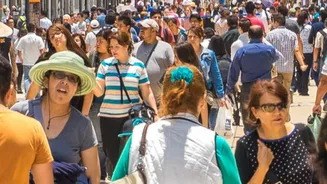
As the 'Summer Capital of the Philippines,' Baguio offers a cool mountain respite from the lowland heat. Its pine trees and parks are a major draw. However, the city's infrastructure is straining under its own success. Baguio's roads, originally designed for about 25,000 people, now grapple with tens of thousands of registered local vehicles, plus an influx of tourist cars on weekends and holidays. What should be a relaxing getaway can quickly become a frustrating crawl through traffic, with visitors spending hours stuck in gridlock instead of enjoying the cool air. The trade-off is escaping the heat for the headaches of urban congestion. If you visit, try to go on a weekday outside of major holidays. Or, for a different mountain vibe, explore the tranquil towns of Sagada or the quieter parts of the Mountain Province.
Oslob: The Controversial Whale Shark Encounter
Swimming with whale sharks in Oslob, Cebu, offers a guaranteed encounter with the world's largest fish. But this guarantee comes at a significant ethical and environmental cost. Local boatmen lure the whale sharks by feeding them, a practice that disrupts their natural migratory and feeding patterns. This conditioning teaches the animals to associate boats with food, making them vulnerable to injury from propellers or poachers when they leave the protected area. Studies have shown that whale sharks in Oslob suffer a high rate of injuries and scars linked to these tourist interactions. The trade off is a once in a lifetime photo for contributing to a practice many conservationists argue is harmful. For a more ethical encounter, consider traveling to Donsol in Sorsogon, where whale shark tourism is based on spotting them naturally in the wild, without feeding.