








Decoding the Cellular Clock
Before diving into semaglutide, it's important to understand what a 'biological clock' is. Unlike your chronological age counted in birthdays, your biological age reflects the health and condition of your cells. Scientists measure this using specific
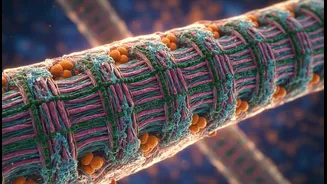
markers. Two key markers are DNA methylation and telomere length. DNA methylation involves chemical tags on your DNA that can change how your genes work. Patterns of these tags shift predictably as we age, creating what are called 'epigenetic clocks'. Telomeres are protective caps on the ends of our chromosomes, much like the plastic tips on shoelaces. They shorten each time a cell divides, and shorter telomeres are associated with aging. By tracking changes in these markers, scientists can estimate the pace of biological aging.
The Semaglutide and Aging Connection
The excitement around semaglutide and aging stems from recent scientific findings. A landmark post-hoc analysis of a clinical trial published in 2026 provided the first direct human evidence. The study focused on a group of adults living with HIV, who often experience accelerated aging. Researchers found that participants treated with semaglutide showed a significant slowing of their biological age increase across multiple epigenetic clocks compared to those who received a placebo. One measure, the DunedinPACE clock, which assesses the pace of aging, showed that semaglutide slowed biological aging by about 9%. Another clock, PCGrimAge, which is linked to mortality risk, also showed significant slowing.
What Does the Research Actually Say?
The results are promising but require careful interpretation. In the 32-week trial, semaglutide treatment was associated with a reduction in biological age markers equivalent to several years. For example, the PhenoAge clock showed a reduction of 4.9 years in the annual increase in biological age. In a separate preliminary study on a similar patient group, nearly half of the participants also showed an increase in telomere length, which was linked to improved physical function like walking faster. However, researchers are quick to add important caveats. They stress that semaglutide does not 'reverse aging' or make people younger. The current evidence only suggests it may slow down some biological processes linked to aging. The study was also small and conducted on a specific population (people with HIV and abnormal fat distribution), so the findings cannot be generalized to the public yet.
How Might It Work?
Scientists believe the mechanism is multifaceted and likely linked to semaglutide's powerful anti-inflammatory effects. Chronic inflammation is a key driver of aging, a process sometimes called 'inflammaging'. By reducing this inflammation, along with metabolic stress and harmful visceral fat, GLP-1 drugs like semaglutide may decrease the chronic immune activation that accelerates aging. These drugs are known to reduce the risk of major cardiovascular events like heart attack and stroke by 20%, an effect partly attributed to reducing inflammation. The benefits seen in epigenetic clocks were noted across systems related to the brain, heart, kidneys, and liver, suggesting a broad, systemic effect.
Beyond the Hype: The Road Ahead
The findings have positioned semaglutide as a candidate for what scientists call 'gerotherapeutics' — therapies that target the aging process itself. However, we are still in the early days. Larger, longer-term clinical trials in more diverse populations are needed to confirm these effects and understand them better. Currently, GLP-1 medications are only prescribed for managing type 2 diabetes and obesity, not for longevity. While the anti-aging potential is a fascinating new frontier, the primary established benefits of semaglutide are its proven effects on blood sugar, weight loss, and cardiovascular health. The cellular slowdown is an exciting bonus that science is just beginning to uncover.