






Why Texture Is Everything
Before you even consider face shape, understanding your hair's natural texture is the most crucial step in choosing a fringe. Texture determines how your bangs will fall, how much they'll shrink when dry, and the amount of daily styling they'll require.
Fine hair can look sparse with the wrong cut, thick hair can become bulky, and curly hair requires a special approach to avoid frizz and unpredictable spring. Working with your hair's natural tendencies, rather than against them, is the key to a fringe that looks effortlessly chic instead of a daily struggle.
Fringes for Fine or Thin Hair
If you have fine hair, the goal is to create the illusion of fullness without sacrificing too much of your overall volume. Heavy, blunt bangs are often a trap, as they require a density that fine hair doesn't have. Instead, opt for lighter, softer styles. Wispy or 'see-through' bangs are a delicate, feathery option that adds softness without looking sparse. Another excellent choice is the ever-popular curtain bang, which parts in the middle and sweeps to the sides, creating a soft frame that blends seamlessly and grows out gracefully. For a slightly bolder but still manageable look, a bottleneck fringe—shorter in the middle and longer at the edges—can also add flattering shape without demanding too much hair.
Fringes for Thick Hair
Thick hair has the advantage of density, making it the perfect canvas for bolder, more statement-making fringes. You can easily pull off a classic full, blunt-cut fringe that looks sharp and confident. However, to avoid a heavy, 'helmet' look, you might want to introduce some softness. Textured or layered fringes are fantastic for thick hair because they remove bulk and add movement. A stylist can use point-cutting techniques to break up the ends and create a lighter, more dynamic shape. Shaggy or heavy curtain bangs also work wonderfully, as your hair's natural volume helps them hold their shape beautifully.
Fringes for Wavy Hair
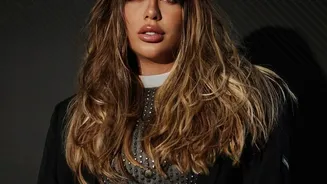
Wavy hair is arguably the ideal texture for many modern fringe styles because its natural bend does most of the styling work for you. The key is to choose a style that embraces your wave pattern. Curtain bangs are particularly effortless on wavy hair, as the soft 'S' shape of the waves naturally sweeps the fringe to the sides. Shaggy and choppy fringes also look fantastic, blending perfectly with your hair's built-in texture for a relaxed, lived-in vibe. A soft, side-swept fringe is another timeless option that complements waves beautifully. The most important tip for wavy hair is to have the fringe cut slightly longer to account for 'spring' as it dries.
Fringes for Curly and Coily Hair
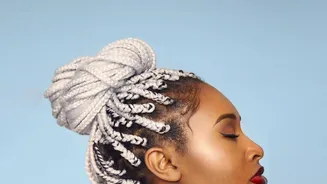
Getting a fringe with curly or coily hair can be transformative, as long as it's done correctly. The number one rule is that the bangs must be cut dry, on your hair in its natural state. This allows the stylist to see exactly how your curls will sit and account for shrinkage, which can be significant. Styles that work beautifully with curls include curly shags, where the fringe is just part of the overall layered look, and longer, sweeping curtain bangs that frame the face. To maintain curly bangs, use a diffuser on low heat and scrunch in a curl-defining cream to enhance your natural pattern and fight frizz.
Maintenance and Styling Essentials
No matter your texture, a fringe requires a bit more upkeep. Be prepared for regular trims every three to six weeks to maintain the shape. One of the most common complaints is that fringes get oily faster than the rest of your hair. A quick spritz of dry shampoo at the roots can instantly revive them. When styling, it’s best to tackle your fringe first, right after you get out of the shower, before it starts to air-dry in its natural (and often unruly) direction. A pro tip is to blow-dry your fringe from side to side across your forehead before styling it into its final position; this helps eliminate cowlicks and ensures it lays flat.