

Why the Monsoon Changes Everything
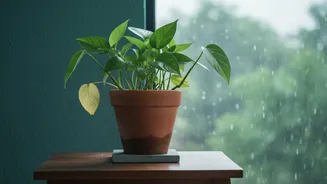
During the rainy season, the environment inside our homes changes dramatically, even if the plants themselves aren't getting rained on. The single biggest factor is the sharp increase in ambient humidity. With so much moisture in the air, the soil in your
pots dries out much more slowly. At the same time, persistent cloud cover means less sunlight, which slows down photosynthesis and reduces a plant's overall water intake. This combination of high humidity and lower light creates a perfect storm where the risk of overwatering skyrockets, even if you think you're watering normally.
The Hidden Danger of Root Rot
The number one killer of indoor plants during the monsoon is root rot. When soil stays waterlogged, it cuts off oxygen supply to the roots, effectively suffocating them. These weakened, oxygen-deprived roots become a breeding ground for fungi and bacteria that are naturally present in the soil. The result is a destructive rot that turns healthy, firm, white roots into a brown or black, mushy mess. Telltale signs above ground often appear as yellowing leaves, persistent wilting even when the soil is wet, and a musty or foul smell emanating from the pot. By the time you notice these symptoms, the damage below the surface can be severe.
Master the 'Finger Test' and Ditch the Schedule
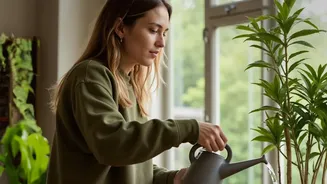
The most crucial adjustment to make during the monsoon is to abandon a fixed watering schedule. Instead of watering every few days by default, you must check the soil first. The simplest and most reliable method is the 'finger test'. Insert your finger about two inches into the topsoil. If it feels moist, wait another day or two before checking again. Only water when the soil feels genuinely dry at that depth. For many common indoor plants in a humid Indian monsoon climate, this might mean watering only once every 10 to 15 days. This shift from a rigid schedule to careful observation is the key to preventing waterlogged soil.
Improve Drainage and Airflow
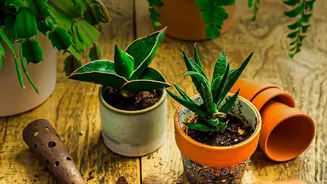
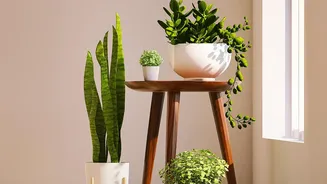
Good drainage is your best defence against accidental overwatering. Ensure every pot has drainage holes and that they aren't blocked. A common mistake is letting pots sit directly on the floor or in a decorative outer pot that traps water. Elevating your plants on small stands can significantly improve drainage and airflow around the base. Good ventilation is also crucial, as stagnant, humid air encourages fungal growth on leaves and soil. Try to group plants with a little space between them rather than crowding them together, and place them in a room with good air circulation.
Adjust Light and Feeding
With fewer sunny days, your plants will be working overtime to get enough light. Move them closer to windows where they can receive maximum bright, indirect light to compensate for the cloudy skies. This also helps the soil dry out a bit faster. Furthermore, since plant growth naturally slows down in these conditions, you should reduce or even pause your fertilizing routine. Fertilizing a plant that isn't actively growing can lead to a build-up of mineral salts in the soil, which can burn the already-stressed roots.