




The Hidden Dangers of Damp Air
High humidity does more than just make the air feel heavy. For our pets, it poses significant health risks. A humid environment is a perfect breeding ground for fungi and bacteria, leading to a spike in skin and ear infections. Dogs, in particular, become
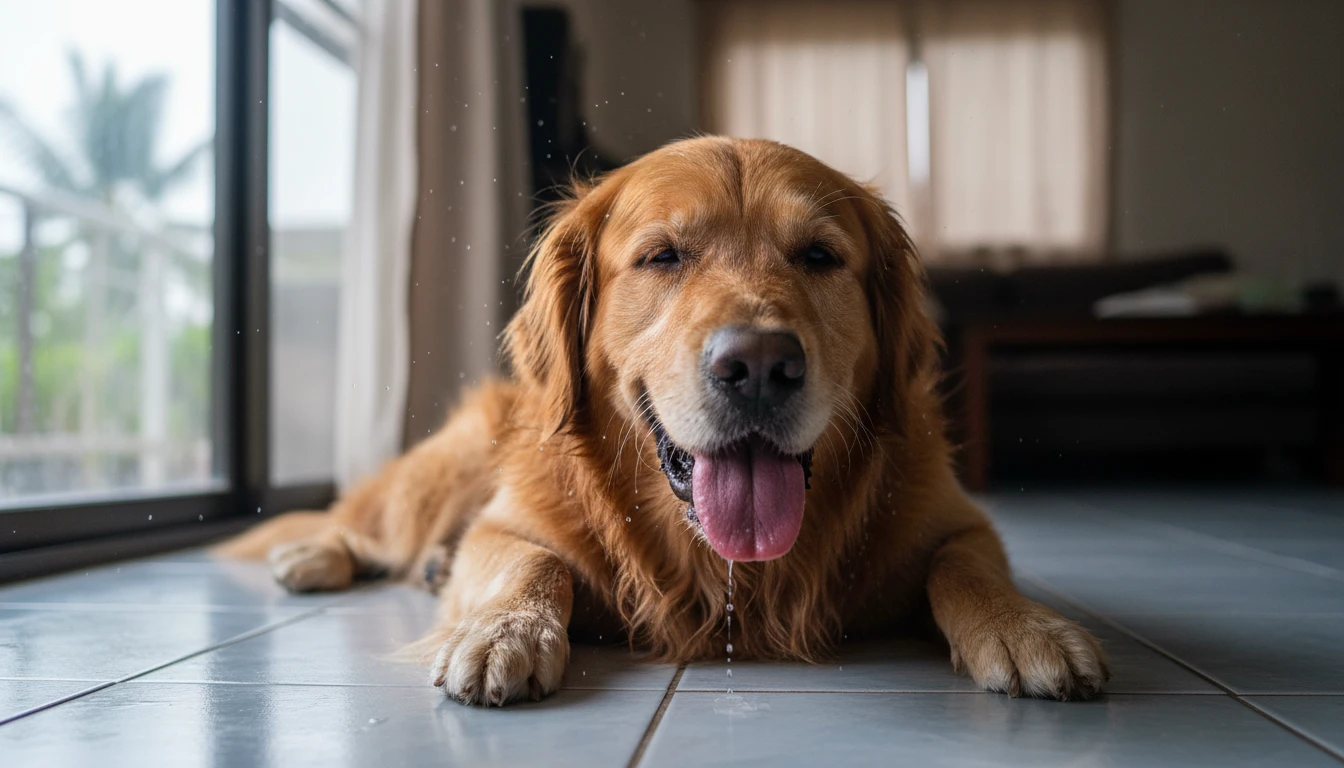
prone to painful 'hot spots' and yeast infections in their skin folds and paws. Furthermore, high moisture in the air makes it harder for animals, especially dogs, to cool down through panting. This is because panting relies on evaporation, which is much less effective when the air is already saturated with water vapour, increasing the risk of heat exhaustion even on moderately warm days.
Prioritise Skin and Coat Care
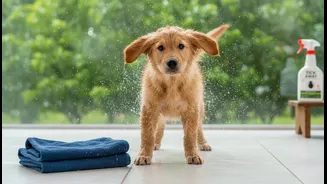
Constant moisture is the enemy of healthy pet skin. The most critical step is to keep your pet as dry as possible. After any walk in the rain or a bath, thoroughly towel-dry your pet, paying extra attention to their paws, ears, belly, and any skin folds. For long-haired breeds, a blow-dryer on a low, cool setting can be a lifesaver. Regular brushing is also vital; it prevents matting, which can trap moisture against the skin and create a haven for fungal growth. Consider keeping your dog's coat trimmed shorter during the monsoon to improve air circulation and reduce drying time.
Manage Your Home Environment
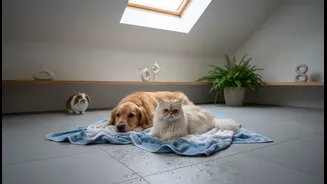
Your first line of defence is controlling the humidity inside your home. Good ventilation is key, so open windows for cross-breezes when it's not raining. Using an air conditioner or a dehumidifier can significantly lower indoor humidity, making the environment less hospitable for mould and mildew. Pay close attention to your pet's bedding. Ensure it is kept dry, preferably on a raised platform off the floor. Wash bedding frequently and ensure it is completely dry before use. Consider using moisture-wicking fabrics like cotton percale or linen for their beds. Storing dry pet food in airtight containers is also crucial, as humidity can cause kibble to spoil or grow mould quickly.
Hydration and Diet Adjustments
It might seem counterintuitive, but proper hydration is just as important during humid weather as it is in dry heat. Always provide access to fresh, clean drinking water. Some experts recommend changing the water at least twice a day, as bacteria multiply faster in stagnant water in humid conditions. To be extra safe, especially in areas where water supplies might be contaminated by rains, use filtered or boiled water for your pets. High humidity can sometimes affect a pet's appetite. If their food intake decreases, ensure what they do eat is nutritious. Avoid leaving wet or home-cooked food out for extended periods as it can spoil rapidly.
Special Care for Small Animals
Small mammals like rabbits, guinea pigs, and hamsters are particularly vulnerable to heat and humidity. Their cages or hutches must have excellent ventilation to prevent the buildup of damp, stagnant air which can lead to respiratory infections. Rabbits, for example, primarily regulate heat through their ears and can only sweat through glands on their feet, making them highly susceptible to heatstroke in stuffy conditions. Ensure their living area is shielded from direct sun and kept cool. A frozen water bottle wrapped in a towel can provide a safe cooling spot for them to lie against. Bedding must be kept scrupulously dry and changed often to prevent mould and respiratory issues.