

India's diverse landscape is dotted with serene and stunning water bodies, each offering a unique window into the country's natural splendour. Beyond just scenic spots, these lakes are centres of culture, adventure, and profound tranquility.
Pangong Tso, Ladakh
Famous for
its breathtakingly beautiful and ever-changing colours, Pangong Tso is a high-altitude saltwater lake stretching from India to China. Situated at about 4,350 metres, its waters shift from azure to light blue, and even green and grey throughout the day. The journey to the lake itself, typically from Leh via the challenging Chang La Pass, is an adventure through stark, dramatic landscapes. The best time to visit is from April to June when the weather is pleasant. Staying overnight in a camp at Spangmik or a nearby village allows you to witness the spectacular sunset and sunrise, which paint the lake in golden hues, offering a truly surreal experience under a canopy of stars.
Dal Lake, Jammu and Kashmir
Often called 'Srinagar's Jewel', Dal Lake is the cultural and recreational heart of Kashmir. It’s not just a body of water but a vibrant ecosystem of floating life. Visitors can enjoy a serene ride on a canopied 'shikara' or experience life on the water by staying in one of the iconic wooden houseboats. The lake features floating markets where vendors sell vegetables and flowers from their boats, a unique sight to behold. Surrounded by magnificent Mughal gardens like Shalimar Bagh and Nishat Bagh, the lake offers stunning views of the Pir Panjal mountains. The ideal time to visit is from April to June to enjoy pleasant weather and all the activities the lake has to offer.
Pichola Lake, Rajasthan
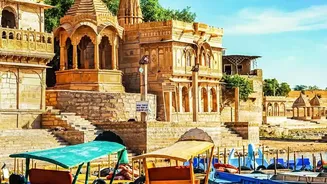
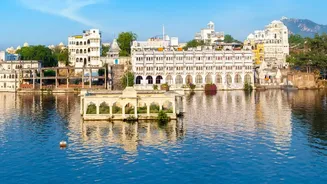
An artificial lake built in the 14th century, Lake Pichola is the romantic centerpiece of Udaipur, the 'City of Lakes'. Flanked by the majestic City Palace, rolling Aravalli Hills, historic buildings, and bathing ghats, the lake exudes royal grandeur. A boat ride, especially during sunset, is a must-do activity. The ride offers stunning views of the two famous island palaces, Jag Niwas (now the Taj Lake Palace hotel) and Jag Mandir. In the evening, the illuminated palaces cast a magical reflection on the calm waters, creating an enchanting atmosphere. The best months to visit are from October to February, when the weather is cool and pleasant for sightseeing.
Gurudongmar Lake, Sikkim
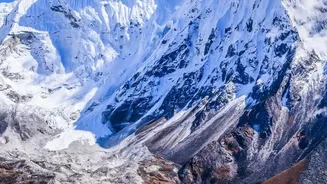
Perched at an altitude of over 17,000 feet, Gurudongmar Lake is one of the highest lakes in the world and is considered sacred by both Buddhists and Hindus. Located close to the Tibet border in North Sikkim, its emerald-blue waters are a stunning sight against the backdrop of snow-capped mountains. A unique feature is that a portion of the lake is believed to never freeze completely, even in harsh winters. The journey from Lachen is challenging and requires a permit for Indian nationals, but the reward is an unparalleled sense of serenity in a barren, high-altitude landscape. The best time to visit is from April to June, when the weather is more favourable.
Vembanad Lake, Kerala
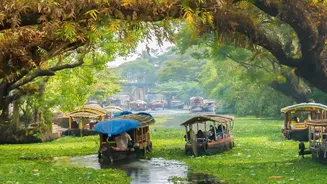
As the longest lake in India and the heart of the Kerala backwaters, Vembanad is a vast and vital ecosystem. Spanning several districts, this backwater system is a network of canals and lagoons that supports a rich diversity of flora and fauna, including the Kumarakom Bird Sanctuary on its eastern coast. The quintessential Keralan experience is cruising these waters on a traditional houseboat, or 'kettuvallam'. These gentle journeys take you past lush paddy fields, coconut groves, and local villages, offering an intimate glimpse into the backwater way of life. The region is beautiful yearround making it a timeless destination.
Loktak Lake, Manipur
Loktak Lake is the largest freshwater lake in Northeast India and is famous for its 'phumdis'—heterogeneous masses of vegetation, soil,' and organic matter that float on its surface. These floating islands are so large that local fishermen build their homes on them. The largest single phumdi is home to the Keibul Lamjao National Park,' world's only floating national park.' This unique park was created to protect|the endangered Sangai,' or 'dancing deer', which can be seen carefully navigating|the floating terrain.' This extraordinary ecosystem offers|a travel experience unlike any other,' best enjoyed between February|and March.
Chandratal Lake, Himachal Pradesh
Meaning 'Lake of|the Moon', Chandratal|is a crescent shaped glacial lake located in|the high altitude desert|of|the Spiti Valley.' Situated at about|14,'100 feet,' this pristine lake|is|a trekker s paradise,' accessible via|a stunning but rugged journey from either Manali or Kaza.' Surrounded by barren scree slopes|and vast open skies,' its remote|and untouched feel|is its main allure.' The lake s crystal clear water reflects|the surrounding Himalayan peaks,' creating|a picture perfect scene.' Camping near|the lake (in designated areas) is|a popular activity,' allowing visitors to soak in|the profound silence and stark beauty|of|the region.' The lake|is only accessible from late June to mid September.