







1. Prep Your Vehicle Before the Rain Falls
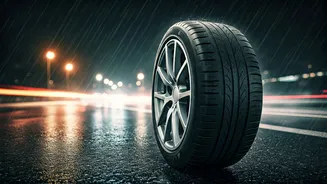
Your first line of defence against rainy road risks is a well-prepared car. Don't wait for the first downpour to discover a problem. Check your tyres for adequate tread depth (at least 3mm is recommended for wet conditions) and proper inflation. Worn-out
tyres can't channel water effectively, dramatically increasing your risk of hydroplaning. Next, inspect your windscreen wipers. If they leave streaks or make scraping noises, replace them immediately. Clear vision is non-negotiable. Finally, test all your lights: headlights, taillights, brake lights, and indicators. In a heavy shower, being seen by other drivers is just as important as being able to see.
2. Maximise Your Visibility, Always
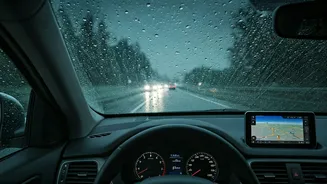
Rain, mist, and road spray create a curtain of poor visibility. Your job is to cut through it. As soon as it starts raining, turn on your low-beam headlights. This isn't just for you to see; it’s so other drivers, cyclists, and pedestrians can see you. Avoid using high beams in heavy rain or fog, as the light will reflect off the water droplets and worsen your vision. Keep your windscreens—both inside and out—clean. Use your car’s defogger to prevent the glass from fogging up due to the temperature difference. If your car doesn’t have a rear defogger, keeping the AC on can help manage interior humidity and maintain clear windows.
3. Slow Down and Double Your Distance
The most critical adjustment you can make is to reduce your speed. Your car needs significantly more distance to stop on a wet road. A good rule of thumb is the 'four-second rule'. Pick a fixed object ahead, like a signpost. When the car in front of you passes it, start counting. If you reach the same object before you count to four, you are following too closely. This extra buffer gives you more time to react to sudden stops, hidden potholes, or other hazards. Gentle and gradual is the mantra for monsoon driving—that means gentle acceleration, gentle steering, and gentle braking.
4. Understand and Avoid Hydroplaning
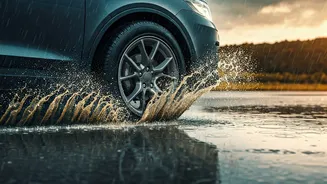
Hydroplaning is what happens when a layer of water builds between your tyres and the road surface, leading to a complete loss of traction. It feels as if you're suddenly floating or skidding. It’s a terrifying experience, but your reaction is crucial. If you feel the car start to hydroplane, do not slam on the brakes or jerk the steering wheel. This will only upset the car's balance further. Instead, take your foot off the accelerator smoothly and keep the steering wheel pointed in the direction you want to go. As the car slows, the tyres should regain contact with the road, and you will feel control return.
5. Beware of Waterlogged Roads
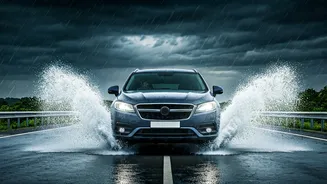
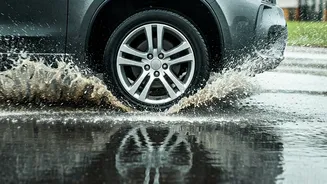
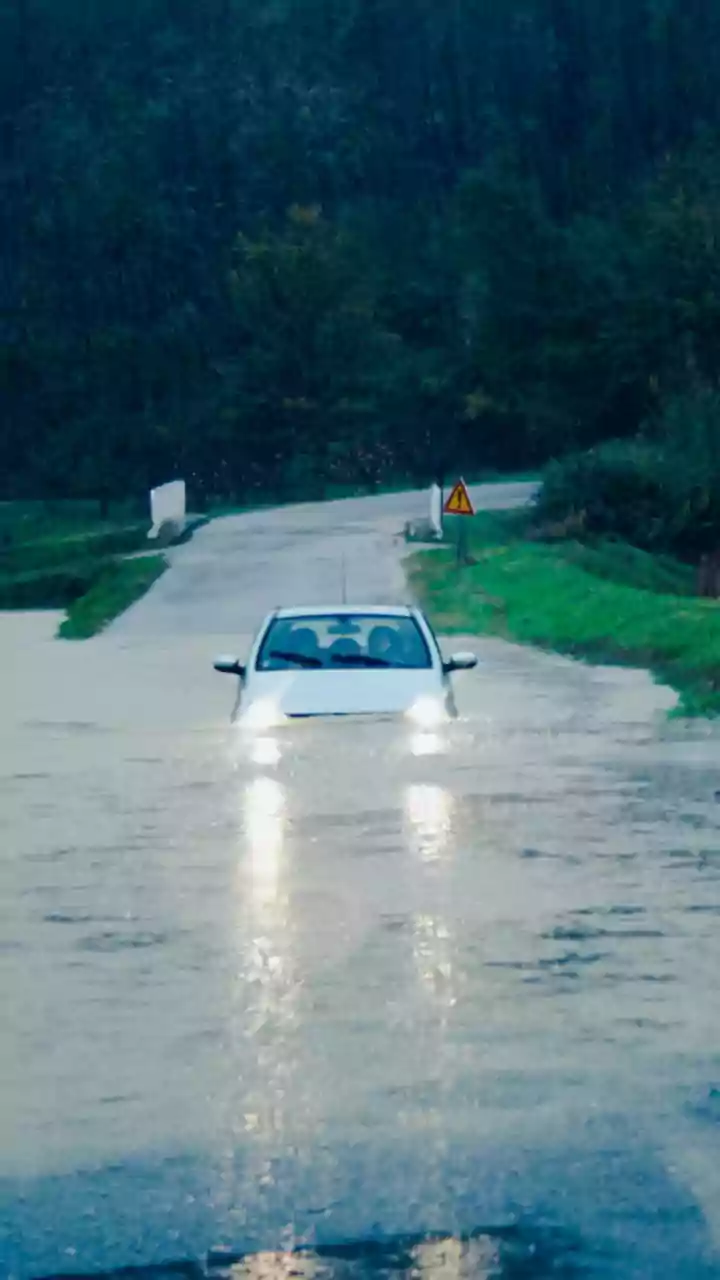
Indian cities are notorious for waterlogging. Driving through standing water is a massive gamble. You can't see the depth or what's underneath—it could hide a deep pothole or an open manhole. As a rule, if the water looks deeper than the bottom of your car's doors, do not attempt to drive through it. Find an alternate route. If you must proceed through a shallow puddle, drive through the centre where the road is often highest. Go very slowly and steadily in a low gear to avoid creating a large wake that could flood your engine. After exiting the water, tap your brakes gently a few times to dry them out and ensure they are working effectively.
6. Be Patient and Watch Out for Others
Monsoon traffic is often chaotic. Motorcyclists and pedestrians are more vulnerable and may make unpredictable movements to avoid puddles or find shelter. Be extra vigilant at intersections and pedestrian crossings. Give two-wheelers extra space, as they are more susceptible to skidding. Patience is your greatest asset. Rushing in the rain is a recipe for disaster. It’s better to arrive at your destination a few minutes late than to be involved in an accident. Accept that your journey will take longer and plan accordingly.