




Building Bodies, Not Just Burning Calories
For decades, the primary fitness goal marketed to women was shrinking. Cardio was king because it burned calories, and the aim was to become smaller. Today, that mindset is being replaced. Young women are increasingly focused on what their bodies can
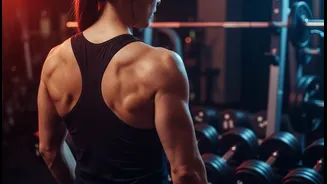
do, not just how they look. Strength training offers a new narrative: building capability. The goal is to get stronger, feel more powerful, and take up space with confidence. This shift from aesthetic goals to performance goals is empowering, as progress is measured in tangible achievements, like lifting a heavier weight or mastering a complex movement, rather than a number on a scale.
The Mental Health Lift
The benefits of this trend extend far beyond the physical. Research and anecdotal evidence consistently show that strength training has a profound positive impact on mental health. Engaging in resistance training can reduce symptoms of anxiety and depression, boost self-esteem, and improve overall mood. Lifting heavy weights requires focus and presence, offering a form of active meditation. Achieving a new personal best in a lift provides a direct, powerful feedback loop of accomplishment and competence that can translate into greater confidence outside the gym. It’s a workout for the mind as much as the muscles.
Fitness for the Real World
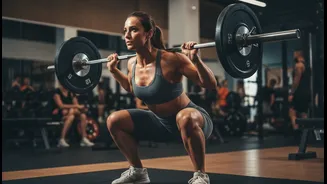
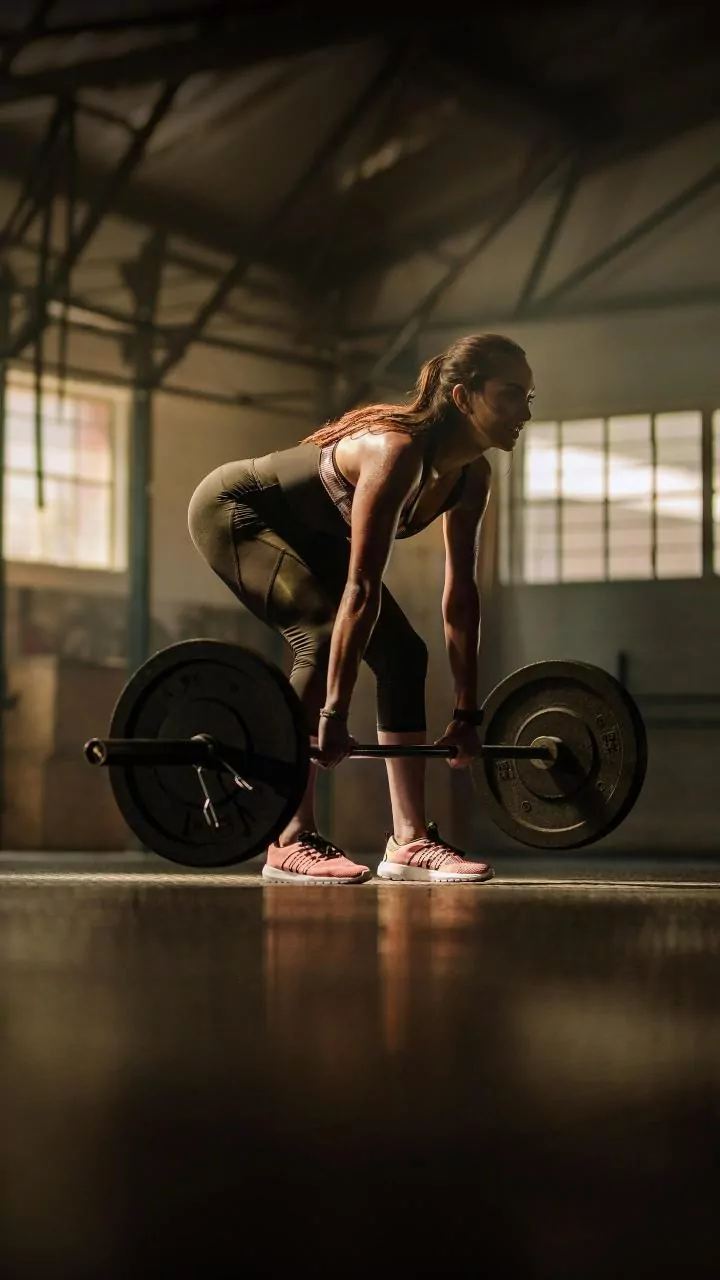
Another key driver is the rise of 'functional fitness' — training the body for the demands of everyday life. While running on a treadmill improves cardiovascular endurance, functional strength exercises like squats, deadlifts, and overhead presses mimic real-world movements: lifting heavy shopping bags, picking up a child, or placing something on a high shelf. This approach builds a resilient, capable body that is less prone to injury and better equipped to handle daily tasks with ease. It redefines fitness as a practical tool for a better quality of life, not just an hour of punishment at the gym.
The Community and a New ‘Strong’
Social media has played a huge role in demystifying strength training for women. Influencers and online communities showcase women lifting heavy, sharing techniques, and celebrating strength. This visibility has helped dismantle the outdated myth that lifting will make women 'bulky'. Instead, it has cultivated a culture where strength is seen as feminine and desirable. These online and offline communities offer support, motivation, and a shared sense of purpose, making the weight room a less intimidating space. Seeing someone who looks like you succeed makes the goal feel more attainable.
Long-Term Health Investment
Young women are also becoming more educated about the long-term health benefits of resistance training. It's one of the most effective ways to build and maintain bone density, which is crucial for preventing osteoporosis later in life, a condition that disproportionately affects women. Furthermore, building lean muscle mass boosts resting metabolism, meaning the body burns more calories even at rest, which is more effective for long-term body composition management than cardio alone. It also improves hormonal health and insulin sensitivity, making it a powerful investment in lifelong wellness.