






The Old Patchwork System
Previously, the validity period for a PUC certificate could differ from one state to another. For instance, while the central rules might have specified a one-year validity for a BS-IV vehicle, some states and regions like the National Capital Region
(NCR) had already mandated a shorter six-month period. This created confusion for vehicle owners, especially those who frequently travelled or moved between states. A driver could be compliant in one state but find their certificate invalid in another, leading to potential fines and harassment. This lack of uniformity also created loopholes, making it harder to track and enforce emission standards consistently across the country.
A Single, Age-Based Rule for All
The Ministry of Road Transport and Highways (MoRTH) has now introduced the Central Motor Vehicles (Sixteenth Amendment) Rules, 2026, which establish a uniform, nationwide validity period for PUC certificates. Instead of state-level variations, the new system links the certificate's validity to the vehicle's age and its emission standard (Bharat Stage or BS). For example, a new private BS-VI vehicle (up to six years old) now gets a certificate valid for three years, a significant change from the previous one-year standard. Conversely, older vehicles, such as those compliant with BS-I, BS-II, and BS-III norms, must now be tested every three months across the country. This tiered approach ensures newer, cleaner vehicles have a lower compliance burden, while older, more polluting ones are monitored more frequently.
Key Advantages of the New System
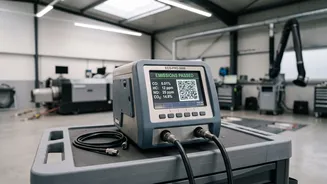
This move to uniformity offers several clear benefits. Firstly, it eliminates confusion and ensures that a PUC certificate issued in any part of India is valid nationwide. Secondly, by linking all certificates to the central VAHAN database, the system becomes more transparent and harder to cheat. Every authorised test is uploaded in real-time, creating a digital record that can be verified by officials anywhere. This IT-enabled framework, often featuring QR codes on the certificates, helps to identify poorly maintained vehicles and reduces opportunities for fraudulent documents. Furthermore, for the first time, a standardised 'rejection slip' will be issued if a vehicle fails the test, clearly documenting the reasons for non-compliance.
What This Means for Vehicle Owners
For the average driver, this change simplifies life significantly. You no longer have to worry about differing state rules when on a long road trip. The new validity periods are clear and based on your vehicle's emission norm and age. For owners of newer BS-VI private vehicles, the change is a bonus, extending the renewal period to three years. Owners of older vehicles (BS-IV and below) will face more frequent testing, with validity set at six and three months, respectively. It's important to note that any existing PUC certificates will remain valid until their expiry date; the new rules will apply only upon renewal. You can check your PUC status and download a digital copy anytime from the official Parivahan portal, which is legally valid proof.
The Bigger Picture: Air Quality and Data
Beyond individual convenience, the uniform PUC system is a crucial tool in India's broader fight against air pollution. By standardising testing frequency and centralising data, the government can get a much clearer, real-time picture of vehicular emissions across the nation. This data is invaluable for formulating effective environmental policies and identifying pollution hotspots. A consistent and enforceable PUC regime encourages timely vehicle maintenance, which is essential for controlling harmful pollutants like carbon monoxide and hydrocarbons. Ultimately, a stronger compliance framework ensures that vehicles on the road adhere to the emission standards they were designed to meet, contributing to cleaner air for everyone.