

A Return to Culinary Roots
The shift away from refined sugar is part of a larger wellness movement gaining momentum in India. As more people become aware of the health implications of highly processed foods, they are turning to traditional ingredients that offer both flavour and
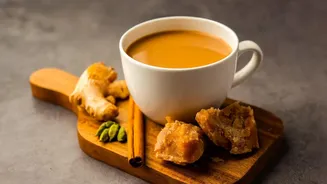
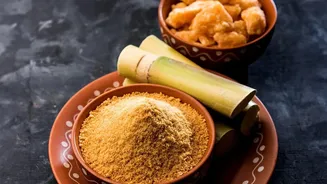
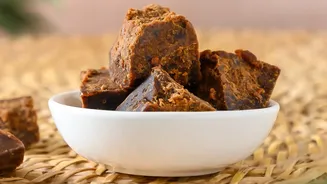
function. Palm jaggery, known as 'Karupatti' in Tamil Nadu and 'Nolen Gur' in Bengal, has been a staple in Indian households for centuries. Made from the sap of palm trees, this unrefined sweetener is now being rediscovered by a new generation of home bakers eager to create desserts that are both indulgent and mindful. This trend is not just about cutting empty calories; it's about embracing a culinary heritage that has long understood the value of whole, natural ingredients.
What Exactly is Palm Jaggery?
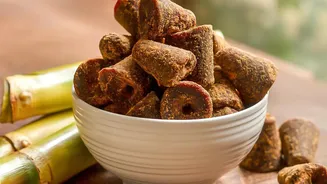
Unlike white sugar, which is derived from sugarcane and heavily processed to achieve its white, crystalline form, palm jaggery is made through a more natural method. Sap is tapped from palm trees—like date, coconut, or palmyra palms—and then boiled in large vats until it thickens and solidifies. This minimal processing ensures that the final product retains many of the minerals and vitamins present in the original sap. The result is a sweetener with a rich, dark brown colour and a complex flavour profile often described as having notes of caramel, toffee, and even a hint of smokiness. It’s this distinctive taste that adds a unique depth to desserts that white sugar simply cannot match.
The So-Called Health Halo
Palm jaggery is often touted for its health benefits, and while it's not a 'health food' in the strictest sense, it does offer a nutritional edge over refined sugar. It contains trace amounts of essential minerals like iron, potassium, calcium, and magnesium, which are completely stripped away during the refining of white sugar. Palm jaggery also has a lower glycemic index (GI) compared to sugar, meaning it causes a slower, more gradual rise in blood sugar levels. This makes it a preferred option for those looking to manage their sugar intake more carefully. However, it's important to remember that it is still a form of sugar and should be consumed in moderation.
The Home Baker's New Muse
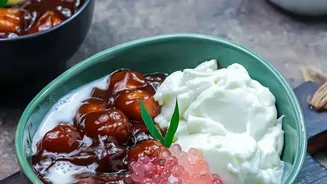
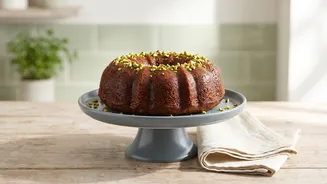
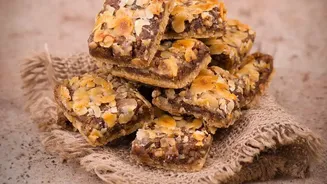
For Indian home bakers, palm jaggery is more than just a substitute; it's an ingredient that inspires creativity. Its unique properties, however, require some adjustments in the kitchen. Jaggery is hygroscopic, meaning it attracts moisture, which can result in wonderfully moist and dense cakes, muffins, and brownies. This quality makes it perfect for treats like banana bread or spiced tea cakes. Bakers have learned to work with its unique texture, often using powdered or grated jaggery to ensure it blends smoothly into batters. From classic chocolate cakes that gain a new, caramel-like richness to traditional Indian sweets like payasam and laddoos made with a healthier twist, home bakers are proving that desserts can be both delicious and thoughtfully sweetened.
Challenges and Creative Solutions
Baking with palm jaggery isn't always a straightforward one-to-one substitution for sugar. Its molasses-like flavour and dark colour make it better suited for certain desserts, like chocolate or spice cakes, rather than light vanilla sponges. Furthermore, its natural acidity can cause milk to curdle if not handled correctly, a challenge bakers overcome by adding the jaggery off the heat when making milk-based sweets like kheer. Bakers also note that since jaggery is less intensely sweet than refined sugar, they sometimes need to adjust ratios slightly to achieve the perfect balance of flavour. These challenges, however, are seen as part of the creative process, pushing bakers to innovate and better understand their ingredients.