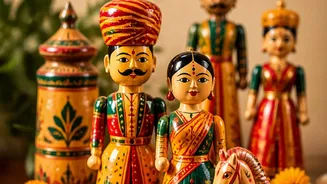




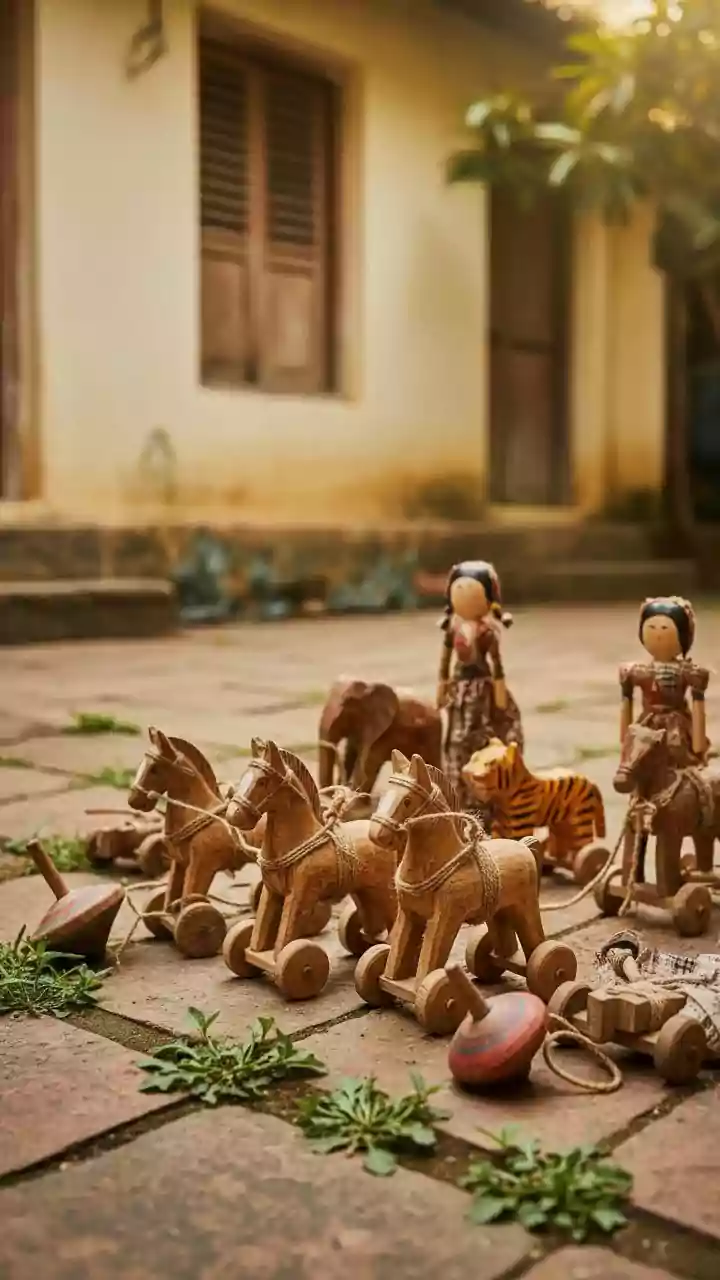
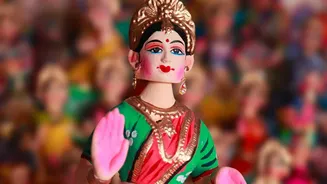
In an era often defined by mass-produced uniformity, a quiet but powerful shift is taking place in Indian homes. Homeowners are turning to the timeless beauty of traditional crafts, weaving a story of heritage into their modern living spaces.
A Story in Every Object
The movement
towards incorporating traditional crafts is more than just a design trend; it is a conscious choice to embrace authenticity and sustainability. As people seek a deeper connection with their roots, handcrafted items offer a narrative that factory-made décor cannot. Each handmade piece, whether a terracotta pot or a hand-stitched quilt, carries the artisan's touch and a story of its origin. This shift reflects a growing appreciation for pieces with soul, history, and a unique identity, moving away from transient trends towards items that offer emotional resonance and cultural pride. Supporting these crafts also helps sustain artisan communities and keeps generational skills alive in a modern economy.
Weaving Magic with Textiles
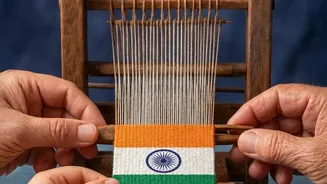
Indian textiles are one of the easiest and most impactful ways to introduce heritage into a contemporary home. The intricate block prints of Ajrakh from Gujarat and Sanganer from Rajasthan, once reserved for clothing, now adorn cushion covers, curtains, and even framed wall art. The blurred geometric patterns of Ikat, a complex tie-dye weaving technique, lend energy to a room as throws or upholstery. Similarly, Kalamkari from Andhra Pradesh, with its hand-painted mythological and floral motifs, can transform a simple piece of fabric into a statement wall hanging. These textiles, when used against neutral modern furniture, add layers of texture, colour, and history.
The Earthy Appeal of Pottery and Metal
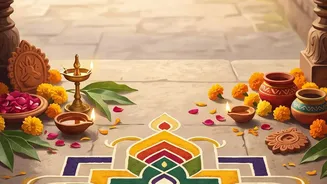
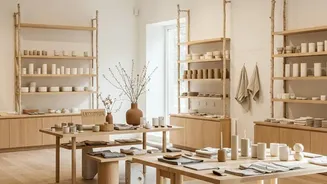
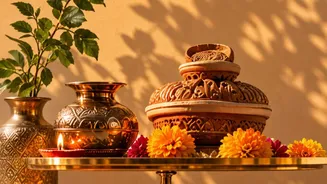
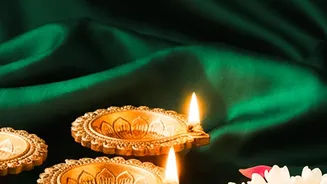
The appeal of objects made from earth and metal is primal and timeless. Terracotta and ceramics, from simple planters to glazed Khurja pottery, are being used to bring an organic, grounding element to minimalist interiors. They add warmth and a touch of nature, breaking the monotony of sleek, modern surfaces. Parallelly, the ancient metal craft of Dhokra, a 4,000-year-old lost-wax casting technique from regions like West Bengal and Chhattisgarh, is finding a new audience. Dhokra figurines, with their rustic charm and intricate detail, are now sought-after accent pieces for console tables and shelves, adding sculptural depth and a sense of history. Small brass items like urlis or diyas also add a warm, metallic sheen.
Finding the Right Balance
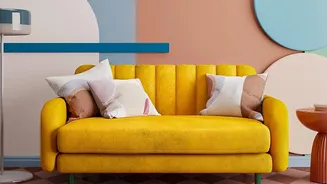
The key to successfully blending traditional crafts with modern design is balance. The goal is not to create a museum but a home that feels both current and connected. A widely adopted approach is to use traditional pieces as accents or statement makers. For instance, a single, intricately hand carved wooden jharokha or panel can serve as a stunning piece of wall art in a contemporary living room. Pairing bold, traditional patterns with neutral backgrounds allows the craftsmanship to stand out without overwhelming the space. A good rule of thumb is to let one or two heritage pieces be the focal point in each room, allowing them enough visual space to be appreciated.