


Clothing: Quick-Dry and Layered
The golden rule of monsoon trekking is to avoid cotton at all costs. Cotton absorbs moisture, gets heavy, and takes a very long time to dry, leaving you feeling cold and damp. Instead, opt for synthetic, quick-drying fabrics for all your clothing. Pack
two sets of trek pants and full-sleeved T-shirts made of materials like polyester. Full sleeves offer protection from insect bites and scratches from overgrown foliage on the trail. A layered approach works best. You can add or remove layers to manage your body temperature as you trek. Even when it's raining, you can get warm while hiking, so breathable materials are key to avoid excessive sweating.
Rainwear: Your First Line of Defence
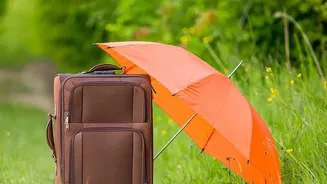
A high-quality waterproof and breathable rain jacket is non-negotiable. However, for comprehensive protection, many experienced trekkers prefer a poncho. A good poncho is designed to cover both you and your backpack, ensuring your entire upper body and gear stay dry. This is especially useful during heavy downpours. Look for a poncho that is long enough to provide ample coverage but not so long that it becomes a tripping hazard. Some even find a small, sturdy umbrella surprisingly useful during breaks or on less intense trail sections.
Footwear: Grip Over Everything
Monsoon trails are notoriously slippery, with mud, wet rocks, and moss creating treacherous surfaces. Your choice of footwear is therefore critical. Invest in trekking shoes with high ankle support and deep grooves on the sole for maximum grip. While waterproof shoes sound ideal, they can sometimes trap water inside if it gets in over the top, leading to soaked feet. An alternative is a shoe that drains well and dries relatively quickly. More important than the shoe itself are your socks. Pack at least three pairs of synthetic or wool socks. Avoid cotton socks completely. A dry pair of socks at the end of a long, wet day is a huge morale booster.
Backpack and Waterproofing: The Double-Layer Strategy
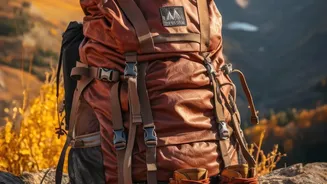
Even if your backpack is marketed as water-resistant, its seams and zippers are weak points where water can seep in. The best strategy is a two-layer defence. First, use a well-fitting rain cover on the outside of your pack. Second, and more importantly, line the inside of your backpack with dry bags or even sturdy plastic bags. Compartmentalise your belongings—clothes in one dry bag, electronics in another, and snacks in a third. This internal waterproofing ensures that even if the outer bag gets damp, your essential gear remains perfectly dry.
Dealing with Leeches
Leeches are an unavoidable part of the monsoon trekking experience in many forested areas, but they are generally harmless. The key is prevention and safe removal. Wear long trousers and tuck them firmly into your socks to create a physical barrier. Knee-length socks offer even better protection. You can also apply a deterrent like a salt solution, Dettol spray, or even hand sanitiser on your shoes and socks. If a leech does attach itself, do not pull it off forcefully. Instead, sprinkle a pinch of salt on it or use a dab of hand sanitiser, and it will detach on its own. Clean the bite area with an antiseptic afterward.
Essential Gear and First Aid
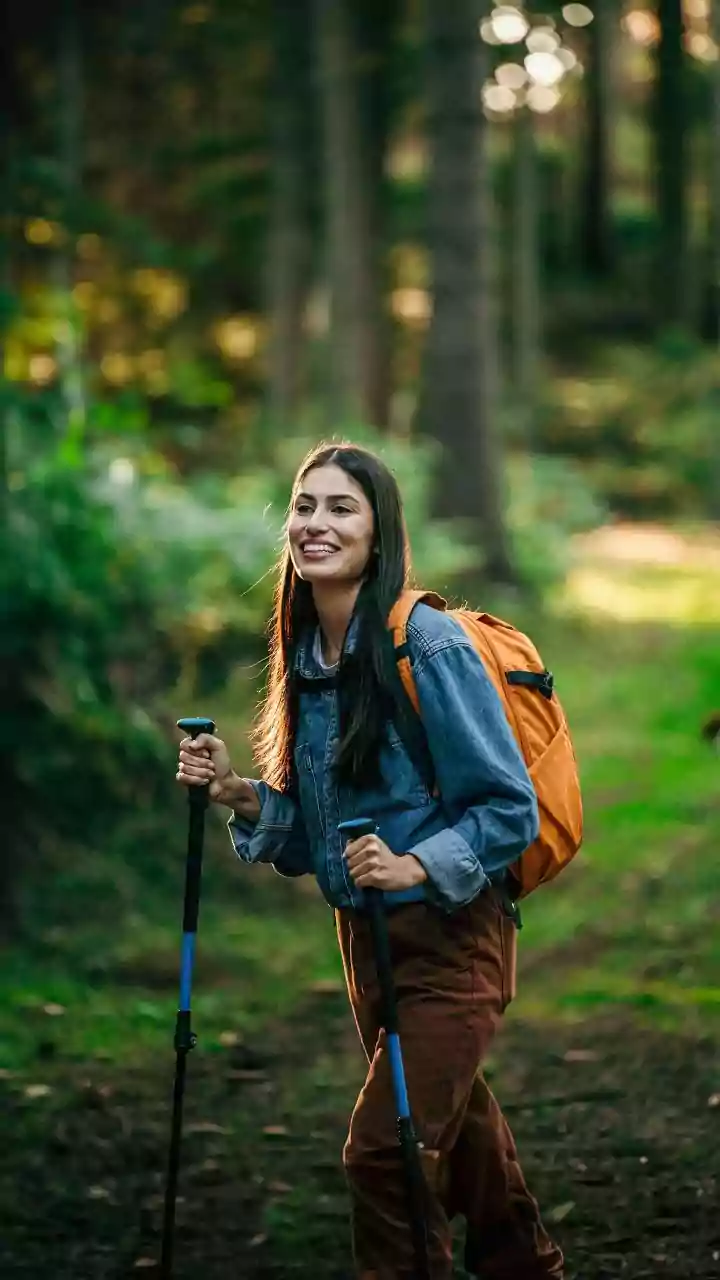
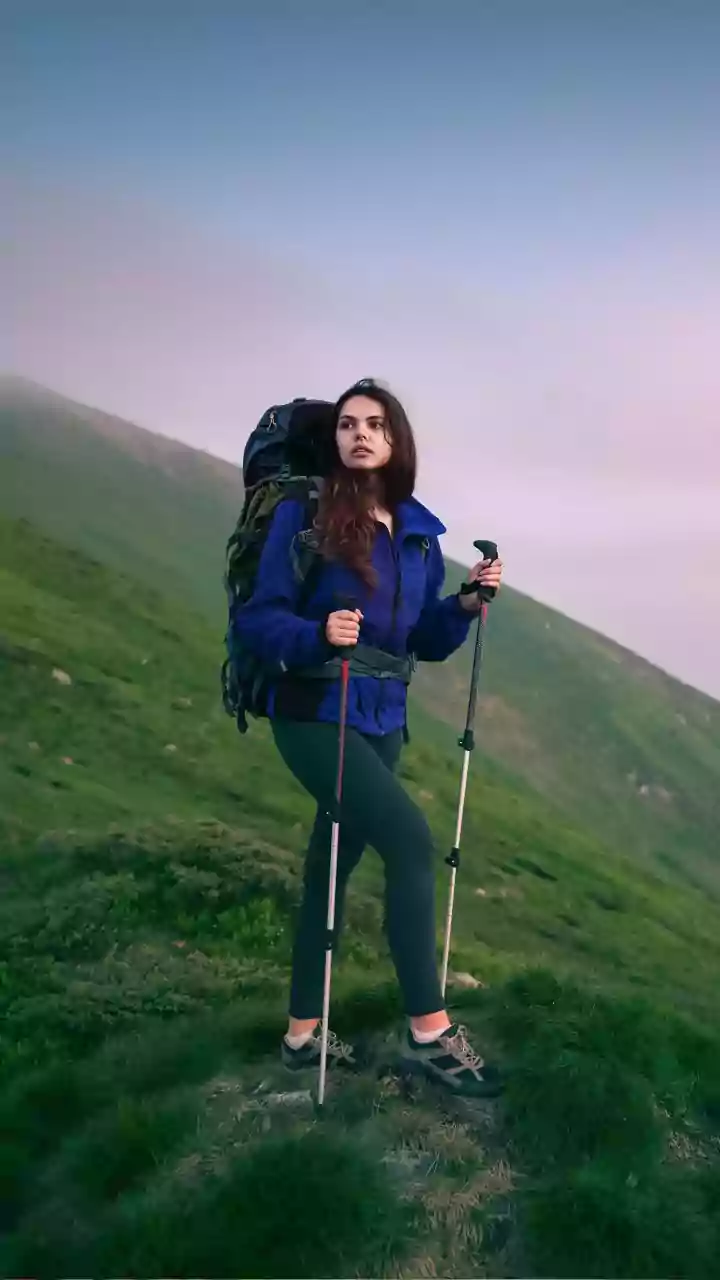
A trekking pole can be incredibly useful, providing an extra point of contact for stability on slippery descents and stream crossings. Always carry a basic first-aid kit that includes antiseptic liquid, bandages, pain relief medication, and specific items for monsoon treks like anti-fungal powder and rehydration salts (ORS). A headlamp or torch is crucial, even for a day hike, in case of delays that push your return into the evening. Finally, protect your electronics like your phone and power bank in waterproof zip-lock pouches. A fully charged power bank is a must-have for navigation and emergencies.